appreciate the insight. With all the folks here having success with mogas, I have to believe the lyc req is very conservative, likely what is necessary to prevent detonation at the max hp, red line torture test with chts at 500*, along with some additional margin to keep the attornies happy. not something most of us would ever see and if we did, simply pulling back to 50% would like stop it.
Hi Larry, just some more insight, and please these comments are strictly in their own context only.
1. A naturally aspirated engine (most RV's) with conforming spark timing and running conforming 100LL is really damned difficult to get detonation, as you say big margins. Change one of the input factors like advanced timing and then have other contributing factors such as IAT, Oil Temp you may get some but drop the MON with any of these and yes you can.
2. A turbo engine with conforming timing and fuel, use the red knob unwisely (think 50dF ROP) and high MAP etc and its easy to start it off.
When doing G100UL and other fuels testing compared to 100LL at GAMI in Ada OK, the engine used is a std compression IO550 with a Turbo Normalised set up, but with the ability to screw up the MAP a bit more. The purpose here is to induce detonation and see how the fuels perform, so don't get all excited about higher than normal MAP on this TN engine, in fact I will not quote the numbers, but it is only a few inches more. So with CHT's in the 420-430 range, oil in the 230+ range and slowly leaning you can get detonation well before peak EGT and the worst of it is at 50-75dF ROP. The performance of say G100UL is far better than 100LL although the old school avgas performs to standard and is considered the benchmark. Lean a bit further to peak and it vanishes and just past peak its all gone.
This demonstrates conforming fuel on our engines are well protected from margins of error. Start changing any number of things and who knows where you end up.
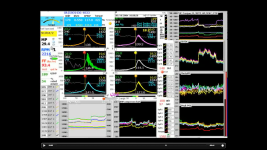
I have just captured screen shots from a TIO540 J2BD engine which is low CR, but turbocharged. Running at a modest 55% power, 29" MAP, 2220 RPM and below you will see even at Oil Temp of 188 and around 150dF ROP (peak was 1600) we have detonation occurring within a minute of switching over from 100LL to 91AKI car gas. You will see C4 is off to the races, 1,2&5 are just a little detonation and 3 hardly anything. That is not unusual at all.
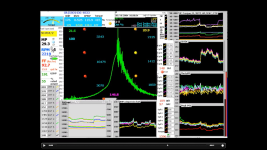
The next image is a close up of that cylinder and all the squiggly lines is the shock waves bouncing around across the cylinder being captured by two probes. The nerds zoom into the data and can calculate the speed of the wave, but let's just say this is why the walls and faces of the surfaces get scrubbed clean. Want to clean crud out of your cylinder without removing, this works a treat

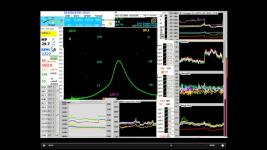
And lastly, after less than 30 seconds for the fuel lines to clean up with 100LL again, it shows a perfectly normal trace.
What are the takeaways here, if you start eroding margins, all bets are off. And will it matter to you, maybe not, but if you do run togas and a few degrees extra advance and that includes any EI even timed at 25 degrees you have 23, then you are raising cylinder pressures well above what otherwise would be. If it's your race plane and you overhaul or replace it every few hundred hours, who cares, but after 2400 hours I removed a perfectly good IO540 and that's how I prefer to live. YMMV of course folks.
One last point of interest, the keen eyes will have spotted in this example the spark timing (factory = 20) was able to be varied either manually or reactively, here is was held in the 22 degree range to simulate a mistimed mag (yes they vary a lot) however later in that dyno run killing off the detonation was possible even running car gas, by altering the "Actual" spark timing down in the 12-13 degree range. The fun you can have with a good test cell hey. I wish I could spend more time there.