Van's Air Force

The definitive Van's Aircraft support community! Buying, building or flying an RV? Join our exclusive family of mentors and enthusiasts!

Fuel leak at sump

Status
Not open for further replies.
The RV9A I bought a few weeks ago is showing fuel stains around the right wing sump. These were visible when I bought the plane, the owner said he had some leak issues when running mogas on that side and they went away when he went back to aviation fuel. The leak has resumed, there were blue streaks back to the rear of the wing after the last flight.

I'm not seeing any sealant visible on the threads for the fuel sump. I'm hoping the leak is from there and not from the riveted base above it. Shall I drain the tank, unscrew the sump and apply sealant to the threads? What sealant is correct and where can I order a replacement sump if I damage this one in the process?
 
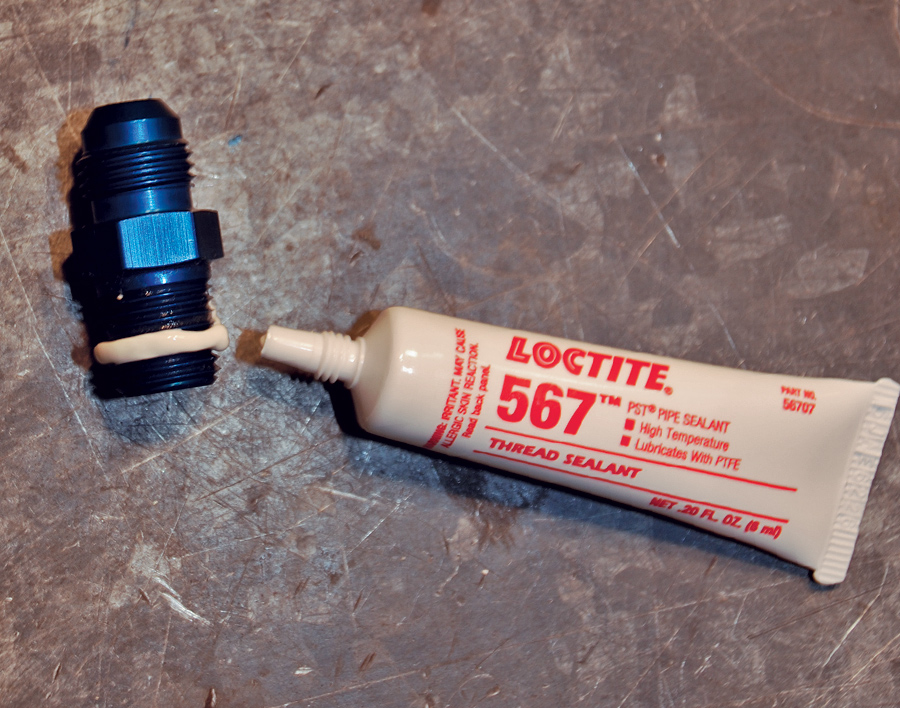
Locktight 567 is a good thread sealant. Available at most auto stores. Use sparingly and keep it away from the end threads.

But - assume the valve itself is leaking. You can replace the O ring in it if needed. I keep a spare valve and O rings in my plane.

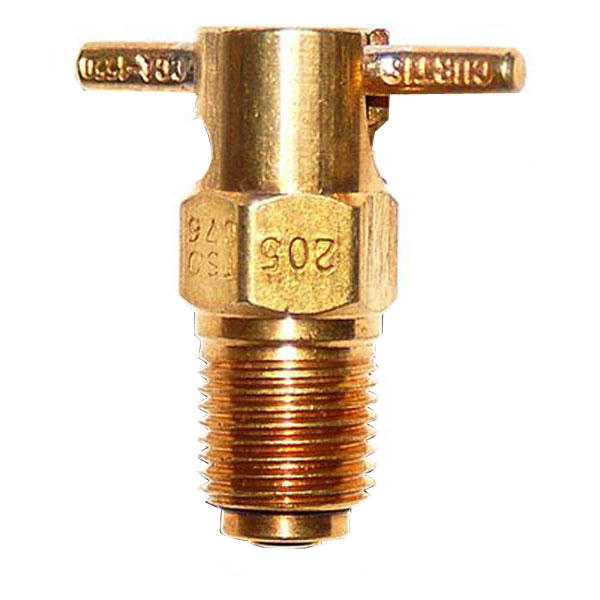
No need to drain the tank. Either get a spare CAV-110 drain valve or a hardware store 1/8” pipe thread plug and remove the current drain valve, put your finger over the hole, and insert the new valve or temporary plug.

Carl
 
Replace either the valve or o-ring as described above, re-install with sealant also noted above. Clean all the old stains from the skins & monitor. If in fact the leak is coming from the rivets/flange area instead of the valve, only way to repair is from inside the tank, no external remedy will last. Tank re-seal process is a frequent topic on other threads on VAF.
 
About using a 1/8 inch NPT plug to check where the leak is by temporarily, that seems tiny. Did the writer mean a 3/8" plug.
It is 1/8" NPT thread. The 1/8" refers to a common ID of a fitting screwed into 1/8" NPT threads. Yes, the OD of the threads is about 3/8". It can be confusing at first blush.
 
I would have expected you to say that--read this. :D:D:D

Sure. And i heard an ad on the radio saying that if i take their vitamins, my hair will grow back. Lots of companies say lots of things to sell products. Sometimes they stretch things a bit. I hope for your sake the plumber working at your house used an actual thread sealant vs ez turn. Not saying it won’t work, but you are better off using products designed for the intended purpose. In some cases a lubricant will seal things, but you are always going to get a better result in threaded fittings from a thread sealant..
 
Where does it say thread sealant?
Obviously, neither you nor Lr172 build your own RV's or simply didn't bother to read Vans Aircraft assembly manual. Both Teflon and RTV are not to be used on fuel fittings according to Vans Aircraft in the manual, but they do recommend EzTrun since it won't clog fuel systems like Teflon or RTV.

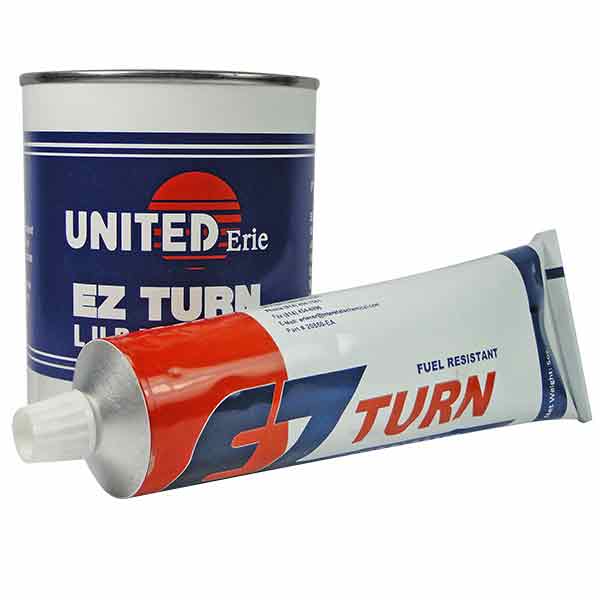
- EZ Turn Lubricant, 1 lb. Can -
A specialty lubricant/sealant used for fuel and oil line valves & is resistant to high temps. Especially effective where high octane fuels and aromatics are present. Also extremely efficient as a gasket paste & anti- seize agent and will not gum, crack or dry out. Excellent for tapered plug valves, aircraft engine manufacturing, and marine applications. EZ Turn is the functional equivalent of fuel lube. Mil-Spec Mil-G-60320 AM 1 type 1.
 
Obviously, neither you nor Lr172 build your own RV's or simply didn't bother to read Vans Aircraft assembly manual.
Yes, I just pretend to have built my planes to appear cool and fit in here. Vans instruictions, while on balance are great documents, suggest a variety of things I disagree with - This being one of them. That is my perogative as a pretend builder.

FYI teflon is not discouaged on fuel fittings, just teflon tape. Big difference.
 
Obviously, neither you nor Lr172 build your own RV's or simply didn't bother to read Vans Aircraft assembly manual. Both Teflon and RTV are not to be used on fuel fittings according to Vans Aircraft in the manual, but they do recommend EzTrun since it won't clog fuel systems like Teflon or RTV.
You probably shouldn't assume those things, you know what they say about assuming.....
 
Obviously, neither you nor Lr172 build your own RV's or simply didn't bother to read Vans Aircraft assembly manual. Both Teflon and RTV are not to be used on fuel fittings according to Vans Aircraft in the manual, but they do recommend EzTrun since it won't clog fuel systems like Teflon or RTV.

- EZ Turn Lubricant, 1 lb. Can -
A specialty lubricant/sealant used for fuel and oil line valves & is resistant to high temps. Especially effective where high octane fuels and aromatics are present. Also extremely efficient as a gasket paste & anti- seize agent and will not gum, crack or dry out. Excellent for tapered plug valves, aircraft engine manufacturing, and marine applications. EZ Turn is the functional equivalent of fuel lube. Mil-Spec Mil-G-60320 AM 1 type 1.

Obviously, you know nothing about Walt.
 
According to AI: :rolleyes::rolleyes::rolleyes:

What is EZ lubricant used for?


A widely used lubricating jelly in gynaecological and hospital procedure. Excellent for easy insertion of catheters, scopes, rectals, thermometers, enemas, docuhes and similar types of nozzles. EZ lubricating jelly is greaseless, water soluble and non irritating, safe ideal for general lubricating needs
 
According to AI: :rolleyes::rolleyes::rolleyes:

What is EZ lubricant used for?


A widely used lubricating jelly in gynaecological and hospital procedure. Excellent for easy insertion of catheters, scopes, rectals, thermometers, enemas, docuhes and similar types of nozzles. EZ lubricating jelly is greaseless, water soluble and non irritating, safe ideal for general lubricating needs
There's were AI goes rogue again. It's called "EZ Turn Fuel Thread Lubricant/Sealant"--not "EZ Lubricant" for Medical use. I assume your just joking--right? :p
 
1: I am direct, aviation is serious business so I prefer not to sugar coat it.
2: Manufacturer spec sheet calls it a lubricant, not a sealant, maybe you should contact them for clarification.
3: [ed. removed by dr - thought a bit into the rules vio area. dr]
4: I suggest you do your own testing, go ahead and it use on all your pipe threads and let us know how it works.
5: For everyone else, as Carl suggested, 567 is excellent and is what I use.
 
Last edited by a moderator:
according to Vans Aircraft in the manual, but they do recommend EzTrun since it won't clog fuel systems like Teflon or RTV.
I have not tested this, but it could be that the reason EZTurn won't clog fuel systems is that fuel will dissolve it. [Edit: The previous supposition is wrong!] Probably not what you want on an NPT thread as a sealant. This debate has been going on for decades, for some reason.

Edit: EZ Turn does NOT dissolve in gasoline. I edited my text to reflect this information I should have checked before posting.
 
Last edited:
EX turn is a Polyester based synthetic grease. Polyester is commonly used as a sealant.
567 has many different ingredients, but is essentially an anaerobic reactive sealant, (hardens in the absence of air when two surfaces are very close together) It is a much more sophisticated soup of chemicals.
They are both sealants per the MSDS.

I have had good and bad results with EZ Turn as a thread sealant. It’s just not very good compared to 567 for that purpose.
However, every shop I knew “back in the day” had a big can of “fuel lube” and used it for everything….. my tube is reserved for gasket conditioning, and not much else.
 
I have not tested this, but it could be that the reason EZTurn won't clog fuel systems is that fuel will dissolve it. Probably not what you want on an NPT thread as a sealant. This debate has been going on for decades, for some reason.
Its primary benefit is that it WON'T dissolve in fuel, even those with high aromatic content. This is why it is recommended for lubricating fuel valves.
 
Let's stick with the point behind the thread here. 20-years ago on the RV-9A I built, I found the stock RV fuel sump drains started to leak. Based on my experience in both flying and maintaining many other aircraft since 1978, I switched to a better built, more reliable CCA-1550 Curtis drain valve. Also, I have a great deal of respect and trust in Richard VanGrunsven's--60-years designing and building GA aircraft! After installing CCA-1550 Curtis drain valves 20-years ago using EZ Turn Fuel Lube/Sealant, just as I had in other aircraft I owned since 1978, my RV-9A sump valves are still working and not leaking from either the valve or thread seal. Guys--Richard VanGrunsven really knows what he's talking about--so read your assembly manual, listen and learn form Richard VanGrunsven! (y):cool:(y)

 
Last edited:
Where does it say thread sealant?

Applications/Usages​

  • Thread lubricant
  • Fuel line connectors
  • Anti-seize material
  • Steering stop lube
  • Gasket paste
  • Anti-seize compound
  • Hydraulic lines
  • Chassis grease
  • Tapered plug valves
  • Fuel selector switches / aircraft and other
  • Rubber housings
  • Electrical connections / Dielectric
  • Anti-corrosion material
  • Battery terminals
  • An ideal product for applications that require resistance to high-octane fuel, high temperatures, brake fluids, transmission fluids, and other oils and solvents. EZ Turn meets MIL-Spec G-6032D Type 1 and is currently used by all aircraft manufacturers and / or service maintenance organizations.
 

Applications/Usages​

  • Thread lubricant
  • Fuel line connectors
  • Anti-seize material
  • Steering stop lube
  • Gasket paste
  • Anti-seize compound
  • Hydraulic lines
  • Chassis grease
  • Tapered plug valves
  • Fuel selector switches / aircraft and other
  • Rubber housings
  • Electrical connections / Dielectric
  • Anti-corrosion material
  • Battery terminals
  • An ideal product for applications that require resistance to high-octane fuel, high temperatures, brake fluids, transmission fluids, and other oils and solvents. EZ Turn meets MIL-Spec G-6032D Type 1 and is currently used by all aircraft manufacturers and / or service maintenance organizations.
Read the product description in you own link:

Overview

EZ Turn is a specialty lubricant/sealant used for fuel and oil line valves & is resistant to high temps. Especially effective where high octane fuels and aromatics are present. EZ Turn is also extremely efficient as a gasket paste & anti-seize agent. EZ Turn will not gum, crack or dry out. Each shipment is independently tested. Excellent for tapered plug valves, aircraft engine manufacturing, and marine applications. EZ Turn is the functional equivalent of fuel lube.
 
Read the product description in you own link:

Overview

EZ Turn is a specialty lubricant/sealant used for fuel and oil line valves & is resistant to high temps. Especially effective where high octane fuels and aromatics are present. EZ Turn is also extremely efficient as a gasket paste & anti-seize agent. EZ Turn will not gum, crack or dry out. Each shipment is independently tested. Excellent for tapered plug valves, aircraft engine manufacturing, and marine applications. EZ Turn is the functional equivalent of fuel lube.
You keep calling it a sealant but everything, including the mfr desc and the mil spec classifies this as grease. Not really arguing that it cannot seal threads in some/many cases, but please call it what it is.

I can also just twist my wires together and cover with electrical tape and it works. Does that make it equal in quality to an electrical crimp fitting? If i told you that i used elmers glue on a screw and it didn’t back out since 1978,, would you consider it comparable to loctite? There are many ways to skin a cat and glad this method works for you, but you are never going to convince experienced people that this is better than thread sealant.

Maybe we just let this rest and agree to disagree.
 
Last edited:
You keep calling it a sealant but everything, including the mfr desc and the mil spec classifies this as grease. Not really arguing that it cannot seal threads in some/many cases, but please call it what it is.
No Lr172 -- the manufacture of EZ Turn calls it a lubricant/sealant. Did you read the overview product description in that same Spruce and Specialty link up there? Please don't post back until you do!
 
Apparently, this is what Van's is recommending now: (RV-14 plans)

Screenshot 2025-09-14 173351.png
I used Locktite 567, why? Because Walt and Larry probably have installed hundreds of these and they said to use it. Good enough for me.

🍿
 
Very interesting Kitplanes "best practices article on pipe thread sealants", which include Permatex 59235, Loctite 567 and EZ Turn all as acceptable aircraft fuel and oil pipe thread sealants. For high pressure applications, such as brake-lines, Permatex 59235 and Loctite 567 are preferable to EZ Turn. However, EZ Turn has worked for me with no leaks anywhere for 21-years. Some guys might not be snugging-in their pipe fitting enough in these high-pressure applications since mine remain dry. The one thing I don't like about Permatex 59235 and Loctite 567 is they are Teflon seepy goo (polytetrafluoroethylene), which doesn't dissolve in fuel, so MUCH care must be taken to NOT allow it to enter into your fuel lines! Whereas, very sticky EZ Turn will generally not get into fuel lines and appears to remain intact and stick in-between the pipe threads.

 
Last edited:
1: I am direct, aviation is serious business so I prefer not to sugar coat it.
On interactive forums, it's best to add your preference than to just say "you're wrong".
2: Manufacturer spec sheet calls it a lubricant, not a sealant, maybe you should contact them for clarification.
So is Teflon (i.e. a fine lubricant), which is what Permatex 59235 and Loctite 567 are made of.
3: [ed. removed by dr - thought a bit into the rules vio area. dr]
No comment.
4: I suggest you do your own testing, go ahead and it use on all your pipe threads and let us know how it works.
I have in fact tested EZ Turn for 21-years now on all of my RV-9A pipe fittings--still dry as a bone!
5: For everyone else, as Carl suggested, 567 is excellent and is what I use.
Yes--use whatever you feel works best for you based on all available data--not just one guy.
Also, see my most recent post on Kitplanes "best practices article on pipe thread sealants"--link added here for your convenience.

 
Last edited:
! Whereas, excess EZ Turn will dissolve in fuel lines
Wrong!

Their own datasheet says there was 0% dissolution in gasoline. Yes, i read the data sheet. Suggest you do the same. As I mentioned above, its primary benefit is NOT dissolving in gasoline and why it is used on fuel valves. It is even more dangerous than rtv in fuel applications with sloppy builders, because the rtv has to break off first and the ez turn just falls off because it is a grease and never sets, like rtv does.
 
Last edited:
.
Also, see my most recent post on Kitplanes "best practices article on pipe thread sealants"--link added here for your convenience.
so as dmatt posted, vans recommends NOT using it. Yesterday van was the premiere source. Now that we see that van realized his error and changed his opinion, you no longer trust his opinion and now start throwing kitplanes references at us?

Now i am officially done with this thread, as I think everyone here sees both sides.
 
Wrong!

Their own datasheet says there was 0% dissolution in gasoline. Yes, i read the data sheet. Suggest you do the same. As I mentioned above, its primary benefit is NOT dissolving in gasoline and why it is used on fuel valves. It is even more dangerous than rtv in fuel applications with sloppy builders, because the rtv has to break off first and the ez turn just falls off because it never sets, like rtv does.
Even if that's true -- unlike Teflon goo, EZ Trun sticks beautifully to pipe threads, and I never coat them to the very end of the pipe thread.
 
Last edited:
so as dmatt posted vans recommends not using it. Yesterday van was the premiere source. Now that we see that van realized his error and changed his opinion, you now start throwing kitplanes references at us?
Vans recommended EZ Turn in my RV-9A manual--you're referencing an RV-14 on some unknown drawing page??
Did you read this Kitplanes article, and if so what do you think?

 
Last edited:
Vans recommended EZ Turn in my RV-9A manual--you're referencing an RV-14 on some unknown drawing page??
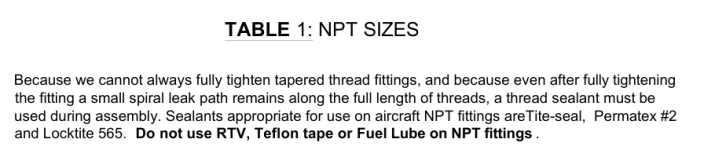
I am only posting this because I want builders/repairmen to know what Vans has been recommending for at least the last 9 years, section 05-34 (Note RV-ALL). Both my 10 plans and my 14 plans have/use page 05-34. Possibly there was a reason why Vans changed their recommendation? :sleep:

Screenshot 2025-09-15 042921.png
 
Last edited:
Wary to wade into this thread, but one thing to note:

There have been some test results that show the unleaded avgas G100UL and fuel lube (or EZ turn) maybe incompatible, in that it can dissolve.
 
I am only posting this because I want builders/repairmen to know what Vans has been recommending for at least the last 9 years, section 05-34 (Note RV-ALL). Both my 10 plans and my 14 plans have/use page 05-34. Possibly there was a reason why Vans changed their recommendation? :sleep:

View attachment 97375
I appreciate you providing the RV-14 section on NPT thread sealant recommendations! And, thank you for removing your last sentence. Yes, I know how to contact Vans support. I have been flying and maintaining my RV-9A for 21-years now with all NPT fittings using EZ Turn--no issues and dry as bone. As I pointed out in my previous post referencing Kitplanes "best practices article on pipe thread sealants", which I hope you read too, the reason for Vans change is probably for the higher pressure fittings (like brake lines), but I had no issues there either. It should be noted that any sealant of these three types (Permatex 59235, Loctite 567 and EZ Turn) that might get into fuel lines is a "bad thing" as described in the Kitplanes article. Some very good information there!
 
Wary to wade into this thread, but one thing to note:

There have been some test results that show the unleaded avgas G100UL and fuel lube (or EZ turn) maybe incompatible, in that it can dissolve.
Given what they are finding with G100UL on paint and other common tank sealants, I wouldn't use G100UL on a bet. Our home airport (KPAE--Paine Field) and all surrounding airports decided not to use G100UL and will be going too Swift 100R UL. Also recently, Cirrus Aircraft decided not to approve the use of G100UL in their aircraft fleet and will also be looking at Swift 100R UL.
 
Last edited:
Tired of deleting rules violations in this thread, so I'm closing it.

"Polite company of strangers" is the tone we're after. If you can't be 100% civil, you should reconsider whether or not you should be posting here. We'll be OK if you decide to go somewhere else.
 
Last edited:
Status
Not open for further replies.
Back
Top