Van's Air Force

The definitive Van's Aircraft support community! Buying, building or flying an RV? Join our exclusive family of mentors and enthusiasts!

Oil Quantity Sensor

I decided not to install. I check oil level before flight 5-6 qt (IO-360).
A small leak will make no difference. You can in most cases loose 2 qt during a flight without major problems.
A big oil leak will be detected by the oil pressure instrument. In this case the oil level is not important.
What is not installed can't fail.

Good luck
 
At first I thought you wrote oil quality sensor - that would be an interesting idea, kind of like dishwashers and clothes washers use.
 
I’ve been interested in it but not sure how I would integrate into my Dynon D180. There are some cool features on it. I think an oil cooler leak would be where this would pay off. Yeah your oil pressure would show the leak but that’s at the last possible minute for you to do something before your engine seizes. Oil temp might be a better indicator as less and less oil is available in the sump.
 
I thought that an oil level sensor was a fantastic idea when I built my plastic plane 10 yrs ago. I track down a sensor from Australia that is a more basic on/off to indicate low oil level.

It actually proved its worth during test flying when an oil breathing design issue caused oil to vent overboard at a high rate above 10,000 feet (IO550N). (It was fine down lower). The low oil light came on and I landed immediately to find out that I had vented 5-6 quarts out over a couple hour flight. Looking at oil pressure oil temp would’ve provided a warning later - possibly too late?

Likely less necessary, I’m testing a Gill oil debris sensor. It provides a numerical indication of both fine and course magnetic debris. A sophisticated chip detector.

I looked into oil quality sensors (TAN) sensors, but that never went anywhere.
 
Reviving this not too old thread, since the original question has not been answered:

curious if anybody has ever used this oil quantity sensor?

I have the same question... but not here to pop the corn and discuss the "Do you think this sensor is worth its salt, does it make sense to have one, I sure don't need that, etc" of the same vein.

Amongst other small eventual improvements, I ordered and installed an Oil Quantity Sensor on my brand new TB. Question to the ones in the known, does programming the sensor itself with level warnings makes sense?
The "electronics package" is being connected to my 3GX, on which it is pretty easy to set the alarms iso playing with the programming mode of the unit itself.
 

Attachments

  • OQ.png
    OQ.png
    665.7 KB · Views: 88
Reviving this not too old thread, since the original question has not been answered:


I have the same question... but not here to pop the corn and discuss the "Do you think this sensor is worth its salt, does it make sense to have one, I sure don't need that, etc" of the same vein.

Amongst other small eventual improvements, I ordered and installed an Oil Quantity Sensor on my brand new TB. Question to the ones in the known, does programming the sensor itself with level warnings makes sense?
The "electronics package" is being connected to my 3GX, on which it is pretty easy to set the alarms iso playing with the programming mode of the unit itself.
One more thing to go wrong and possibly cause unnecessary grief.
 
Yep. Several of us installed one at my airport. Easy to do and works fine as an emergency warning of unexpected loss. Hooks up to an EFIS system or separate LED for alerting. We were inspired by two instances of inflight oil loss in our community (over 40 RV's here). Both cases were inflight oil cooler failure. One was noticed as pressure dropped and temp rose. Precautionary landing showed 2 qts of 6 left after 1.5 hrs of flight. Second one showed nothing inflight (2.5 hr flight). On the ground, oil was seen dripping from belly. 4 qts. lost.
2qt / hr loss could easily drain a sump on a long flight.
 
Yes. Program it for 1 quart less than your normal full and check for it's accuracy.
After proven, then set (if you can) 3 settings 1/2 quart spacing so you can confirm major loss and time between.
 
Amongst other small eventual improvements, I ordered and installed an Oil Quantity Sensor on my brand new TB. Question to the ones in the known, does programming the sensor itself with level warnings makes sense?
The "electronics package" is being connected to my 3GX, on which it is pretty easy to set the alarms iso playing with the programming mode of the unit itself.
Can you please share how you are connecting it to your G3X (which input and possibly configuration)
I would consider this sensor if I can incorporate it into my G3X.
 
Can you please share how you are connecting it to your G3X (which input and possibly configuration)
I would consider this sensor if I can incorporate it into my G3X.
@Bafava, to be frank I'm not sure since I'm in the middle of an engine replacement, and still some wiring left to do.
Here's what I found out to now, no guarantees given ;)

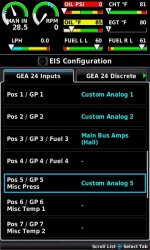
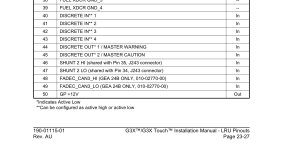
Yes it can be used with the Garmin 3GX, see screenshot below.
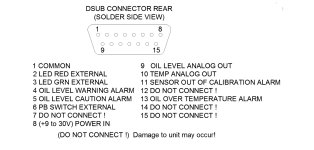
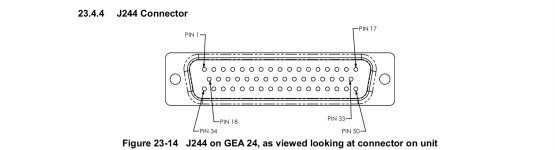
I only have the oil level option, so in my eyes will give the electronic intfc power thru pin 8, prob 40 ground thru pin 1 (common?), and signal output from pin 9.
On the GEA24, use one of the available discrete input 40-43.
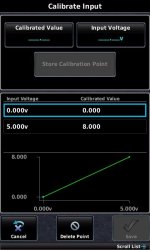
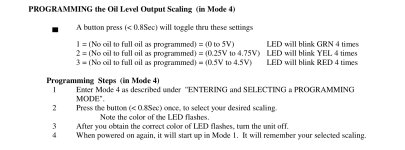
And finally programming using one of the 3 scales provided, not sure which one's the best...

@mburch might be able to chime in please?
 

Attachments

  • IMG_7455.jpeg
    IMG_7455.jpeg
    285.5 KB · Views: 29
  • IMG_7456.jpeg
    IMG_7456.jpeg
    114 KB · Views: 28
  • IMG_7457.jpeg
    IMG_7457.jpeg
    263.8 KB · Views: 30
  • IMG_7458.jpeg
    IMG_7458.jpeg
    323.9 KB · Views: 32
  • IMG_7459.jpeg
    IMG_7459.jpeg
    278.4 KB · Views: 34
Reviving this not too old thread, since the original question has not been answered:


I have the same question... but not here to pop the corn and discuss the "Do you think this sensor is worth its salt, does it make sense to have one, I sure don't need that, etc" of the same vein.

Amongst other small eventual improvements, I ordered and installed an Oil Quantity Sensor on my brand new TB. Question to the ones in the known, does programming the sensor itself with level warnings makes sense?
The "electronics package" is being connected to my 3GX, on which it is pretty easy to set the alarms iso playing with the programming mode of the unit itself.
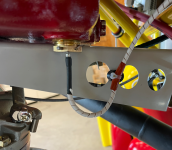
Looks like your oil suction screen isn’t safety wired in this picture yet.
 
Thanks for your accurate observation Tom... no need since there's no oil in the engine either... the prop ain't installed either. And many more loose items on that quick (running 4 months now... ) engine exchange 🤣
 
@Bafava, to be frank I'm not sure since I'm in the middle of an engine replacement, and still some wiring left to do.
Here's what I found out to now, no guarantees given ;)

Yes it can be used with the Garmin 3GX, see screenshot below.
I only have the oil level option, so in my eyes will give the electronic intfc power thru pin 8, prob 40 ground thru pin 1 (common?), and signal output from pin 9.
On the GEA24, use one of the available discrete input 40-43.
And finally programming using one of the 3 scales provided, not sure which one's the best...

@mburch might be able to chime in please?
Thank you for info. I had these and to the extend of my knowledge, a G3X discreet can be configured only as ON or OFF (Active/inactive) and does not have the capability of sensing based on voltage or resistance which would be needed to determine the oil quantity.
 
Super, thanks Matt!

I emailed the manufacturer Aircraft Extras, and got a super quick and complete answer from Rich, super service, also thanks there :)

Quotes:
Yes, common means ground and vice versa for pin1.

You can take either one of the analog outputs, the oil quantity or the oil temperature, to your analog inputs on any of the EFIS systems. Some of those Garmin systems allow you to actually make a gauge and others may not. I,m not really up on those yet.

I suggest you program the oil quantity sensor one quart at a time until you get to the maximum quarts that your engine manual states. That way you will always see how many quarts your gauge shows in relationship to the maximum oil quantity stated by the manufacturer. Some people use a maximum quart level a little below the manufacturers maximum. I do not recommend that you do this.

If you have an EFIS system, you can set your alarms in that which would be easier Maybe. I just created the alarm outputs on the electronics so that people could use them if they do not have an EFIS. When you are programming your system, just don't program the alarm levels, since you already have an EFIS.
 
wrapping things up...
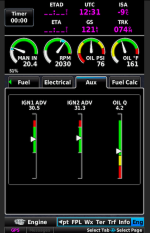
I've now flown close to 60h with the oil quantity indicator, and it has met all my expectations. I did not calibrate it as it seems very accurate out of the box. Of course, readouts depend on the aircraft's attitude, and having the sensor where it is (such as in a taildragger) will slightly influence the reading.

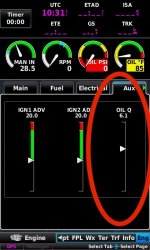
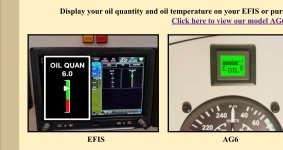
I've easily programmed the display as was discussed above, here a couple of G3X screenshots that might help anyone considering the install of that device.

1.jpg2.jpg

The last shot showing the final presentation, ranges thru the markings menu have now been added.

3.jpg

I find this device a good addition to safety, as a loss of oil, slow or catastrophic, will trigger whatever warning one has programmed way faster than a dropping oil pressure or temperature increase. Which in return will allow more time to act, and hopefully save the day :)
 
I'm curious if anybody has ever used this oil quantity sensor?

YES, many! Here is one of our latest testimonials.

This unit is great! I had an oil cooler failure and lost 3 quarts of oil before landing in Santa Paula, CA in my RV-10. I had no idea I was losing oil, luckily ithappened where and when it did otherwise it could have been disastrous! With a new higher quality oil cooler installed I returned to Texas. My wife and I were not comfortable with what almost happened. I discovered the Aircraft Extras Oil Quantity and Temperature Sensor and it was an easy purchase decision. I also purchased an AG6 Display unit which works good because of the older avionics I have in my plane. Another RV-10 owner had a similar experience with an oil cooler failure on a flight home to Texas from Nebraska. Likewise it was an easy purchase decision for him. He has a Garmin G3X and uses it to display the quantity. There have been two others on the field who fly to the Bahamas in their RV-10s that have installed the Oil Sensors for peace of mind. The units are high quality, well designed, easy to install, work great and are reasonably priced. Also, I want to thank you for your technical support.
Happy customer! Richard J. , Texas
 
thought i commented in this thread or maybe i left a product review... but i have had my oil qty sensor now for 6 months. I honestly cant believe this isn't more popular or a certified option on aircraft engines. Its so nice and peace of mind to always know the oil level while flying
 
Back
Top