
Very interesting about holding aft stick while stopping rotation.A good watch and a good read:
Going Beyond Procedure — an open letter
In response to Juan Browne’s concern for spins in light twin airplanes as shown in the BlancOlirio(1) YouTube channelmedium.com

Van's Air Force
You are using an out of date browser. It may not display this or other websites correctly.
You should upgrade or use an alternative browser.
You should upgrade or use an alternative browser.
Spinning one's RV 8
- Thread starter donaziza
- Start date


Fffflats
Well Known Member
Very interesting about holding aft stick while stopping rotation.
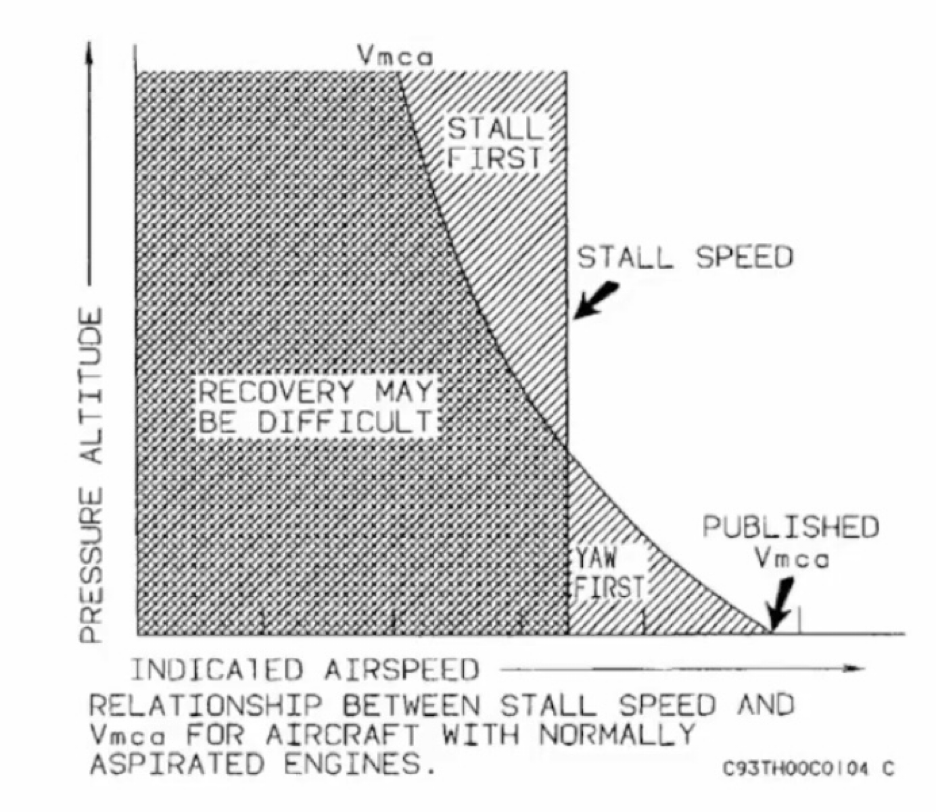
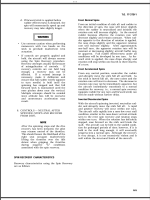
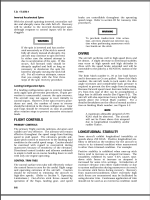
No. He was saying pull the stick Aft prior to opposite rudder. This is not the same as holding the stick aft. For some planes, such is sufficient, though in the “standard recovery,” which is the “British recovery,” you still move the stick forward typically just forward of neutral after a pause after opposite rudder. Variances tested to different planes might increase the magnitude of subsequent stick forward or change the length of pause from outright eliminating it to making it longer, but the idea here is aft elevator most unmasks the rudder to give it effectiveness. You still want to attack both the yaw and the stall but to do so, you want to maximize counter yaw before countering the stall as countering the stall might inhibit countering the yaw. Note some planes don’t need to counter the yaw and can merely immediately push stick forward. Holding the stick aft till rotation completes, however, should not be taken as a general rule and would only be for a specific make model of plane. Note he also talks about “spin prevent” though he gets this jumbled up with spin recovery. His recovery seems anti-PARE as PARE doesn’t call for stick aft before opposite rudder, but this is because PARE presumes you are already there. They assume while neutralizing aileron you keep stalled elevator. This is the Why of his video, the lack of awareness to this and for unmasking rudder. Don’t hold stick aft, however, aft initially, rudder opposite, pause, then forward of neutral. In the comments in the video you may find reference to T-37 recovery which is his primary basis of discussion and what he learned best which he has subsequently taken and adapted to other planes.
Fffflats
Well Known Member
… you may find reference to T-37 recovery which is his primary basis of discussion and what he learned best which he has subsequently taken and adapted to other planes.
Attachments
Fffflats
Well Known Member
… he also talks about “spin prevent” …
This isn’t prevention of spin, it is prevention of further spin development after initial onset. At onset of stall with roll off or yaw, wing drop, ideally simultaneously: stick forward, rudder against roll/yaw, power idle. You can neutralize aileron as you move stick forward or after you get the three going.
Fffflats
Well Known Member
There is an interesting story in Darrol Stinton’s Flying Qualities and Flight Testing of the Airplane regarding the Piper Tomahawk. First I’ll note Stinton prescribes the standard recovery for non-POH provided spin recoveries:
Throttle CLOSED
Ailerons NEUTRAL
CHECK that you are in a spin, not a spiral, and also the Direction of Rotation
Stick BACK
Rudder FULL against the indicated direction of turn
PAUSE
Move the stick progressively FORWARD until rotation stops
EASE OUT of the ensuing dive
As to the PA-38 we’ll see issue of early stick forward in recovery, what Scott was expressing in the video, as well as issue with keeping stick aft. Stinton wrote:
Some yeas ago, while carrying out an investigation into why a Piper PA 38 Tomahawk had suffered a fatal spinning accident, the conclusion after extensive re-testing with the manufacturer’s test pilot in the USA, was that the Tomahawk was an honest airplane, without complications.
Back in the UK a pilot, showing me in goldfish-bowl conditions how to stall a Tomahawk allowed the right wing to drop slightly and the aeroplane began to yaw gently to the right without him realizing it. Spin entry was slow and sly. By the second turn, with full up-elevator and low airspeed no proper stall had appeared. Still not realizing what was happening he pushed the stick forwards to unstall the aeroplane and regain speed, whereupon it pitched nose-down and started a fast rotation to the right.
This was just one more piece of evidence of the ease with which a spin can creep up unawares and the aeroplane bite, without realizing one has entered an incipient spin. Then the wrong action can follow - in this particular case, what is called Reversed Recovery action, i.e. applying elevator-DOWN before rudder, instead of after the pause which follows rudder, in the Standard Recovery Drill outlined above.
…
The primary spin mode in a Tomahawk is so consistent that, unless one reads the registration placard on the instrument panel, it is almost impossible to tell one aeroplane from another. Average recovery is in little more than 1/4 turn, using either the manufacturer’s recommended recovery drill, or the standard recovery drill.
When using the manufacturer’s recommended spin recovery drill - which involves pushing the control column fully forward as the rudder pedal hits the stop - the spin stops and the aeroplane pitches smartly nose down. This, identified as ‘the Tomahawk-bunt,’ is disliked.
An instructor demonstrating spin recovery technique during a formal investigation into the possible cause of a spinning accident, ran through the drill in the Pilot’s Operating Handbook precisely, but on reaching the point in the Emergency Procedure where ‘(c) As the rudder hits the stop, push the control wheel fully forward. As the stall is broken, relax forward pressure to prevent an excessive airspeed build up.’ The rudder hit the stop, but the control wheel was hardly moved off its back stop (the same was noticed with a number of other instructors). The aeroplane recovered with ease in less than one turn, in spite of the action failing to correspond with the required procedure.
In the original accident there was forensic evidence of the control column having been held fully back. As both of us wore parachutes, an elevator-UP abused recovery was tried. After the spin stabilized, full rudder was applied for recovery with the control column held fully back. The Tomahawk continued to rotate in the direction of the spin, with throttle closed, ailerons neutral and elevator-UP. After about two noisy turns at 70 to 80 KIAS, with the skin popping and panting, the aeroplane pitched sharply nose down against the elevator and doubled its rate of rotation to an estimated 1 turn/s against anti-spin rudder. Recovery was effected by simply moving the elevator fully nose-DOWN and waiting. After three to four further turns, during which one sensed a speeding up in rotation (a sign that it is on the way to recovering), the aeroplane recovered smartly with a strongly felt and seen yaw in the direction of the out-spin rudder.
The high rate of the secondary spin mode - which it is - was unexpected and disorientating. Far more interesting was the subsequent discovery that, although the primary spin mode was similar among several Tomahawks, the secondary was not. One would high-rotate only to the left, another only to the right. Yet another would do it both ways, and another would not do it at all.
With this, we can see stick early forward in a recovery can hurt, though early stick forward for prevent is good, yet stick held aft also hurt. Note with RVs we anticipate having more variance across a given series than did the PA-38, yet the PA-38 had variance in secondary spin mode… thought worth a moment of pondering.
Throttle CLOSED
Ailerons NEUTRAL
CHECK that you are in a spin, not a spiral, and also the Direction of Rotation
Stick BACK
Rudder FULL against the indicated direction of turn
PAUSE
Move the stick progressively FORWARD until rotation stops
EASE OUT of the ensuing dive
As to the PA-38 we’ll see issue of early stick forward in recovery, what Scott was expressing in the video, as well as issue with keeping stick aft. Stinton wrote:
Some yeas ago, while carrying out an investigation into why a Piper PA 38 Tomahawk had suffered a fatal spinning accident, the conclusion after extensive re-testing with the manufacturer’s test pilot in the USA, was that the Tomahawk was an honest airplane, without complications.
Back in the UK a pilot, showing me in goldfish-bowl conditions how to stall a Tomahawk allowed the right wing to drop slightly and the aeroplane began to yaw gently to the right without him realizing it. Spin entry was slow and sly. By the second turn, with full up-elevator and low airspeed no proper stall had appeared. Still not realizing what was happening he pushed the stick forwards to unstall the aeroplane and regain speed, whereupon it pitched nose-down and started a fast rotation to the right.
This was just one more piece of evidence of the ease with which a spin can creep up unawares and the aeroplane bite, without realizing one has entered an incipient spin. Then the wrong action can follow - in this particular case, what is called Reversed Recovery action, i.e. applying elevator-DOWN before rudder, instead of after the pause which follows rudder, in the Standard Recovery Drill outlined above.
…
The primary spin mode in a Tomahawk is so consistent that, unless one reads the registration placard on the instrument panel, it is almost impossible to tell one aeroplane from another. Average recovery is in little more than 1/4 turn, using either the manufacturer’s recommended recovery drill, or the standard recovery drill.
When using the manufacturer’s recommended spin recovery drill - which involves pushing the control column fully forward as the rudder pedal hits the stop - the spin stops and the aeroplane pitches smartly nose down. This, identified as ‘the Tomahawk-bunt,’ is disliked.
An instructor demonstrating spin recovery technique during a formal investigation into the possible cause of a spinning accident, ran through the drill in the Pilot’s Operating Handbook precisely, but on reaching the point in the Emergency Procedure where ‘(c) As the rudder hits the stop, push the control wheel fully forward. As the stall is broken, relax forward pressure to prevent an excessive airspeed build up.’ The rudder hit the stop, but the control wheel was hardly moved off its back stop (the same was noticed with a number of other instructors). The aeroplane recovered with ease in less than one turn, in spite of the action failing to correspond with the required procedure.
In the original accident there was forensic evidence of the control column having been held fully back. As both of us wore parachutes, an elevator-UP abused recovery was tried. After the spin stabilized, full rudder was applied for recovery with the control column held fully back. The Tomahawk continued to rotate in the direction of the spin, with throttle closed, ailerons neutral and elevator-UP. After about two noisy turns at 70 to 80 KIAS, with the skin popping and panting, the aeroplane pitched sharply nose down against the elevator and doubled its rate of rotation to an estimated 1 turn/s against anti-spin rudder. Recovery was effected by simply moving the elevator fully nose-DOWN and waiting. After three to four further turns, during which one sensed a speeding up in rotation (a sign that it is on the way to recovering), the aeroplane recovered smartly with a strongly felt and seen yaw in the direction of the out-spin rudder.
The high rate of the secondary spin mode - which it is - was unexpected and disorientating. Far more interesting was the subsequent discovery that, although the primary spin mode was similar among several Tomahawks, the secondary was not. One would high-rotate only to the left, another only to the right. Yet another would do it both ways, and another would not do it at all.
With this, we can see stick early forward in a recovery can hurt, though early stick forward for prevent is good, yet stick held aft also hurt. Note with RVs we anticipate having more variance across a given series than did the PA-38, yet the PA-38 had variance in secondary spin mode… thought worth a moment of pondering.
You really ought to consider getting some training, if you are asking this question. While many techniques will work…you gotta get the one you are using ingrained completely.
Go see Patty Wagstaff with your airplane…
Go see Patty Wagstaff with your airplane…

<SNIP>In an RV8 if you just neutralize the controls it stops spinning.Here is how I chose to answer your question.
My question is:
Does one apply all 4 steps simultaneously?
NO!
I simultaneously center the stick and release the rudder pressureo smartly
The spin stops almost immediately for me.
I then pull up to reduce air speed that begins to increase with a nose low profile
Add power as necessary to level off and begin cruise speed.
I rarely needed to add opposite rudder
This is my technique for MY RV8
Last edited by a moderator:

The trick is stopping the spin on desired heading. Spins are fun and easy. Pick a point and after 3 turns stop it exactly where you want.... In an RV8 if you just neutralize the controls it stops spinning.
Last edited by a moderator:
HOLY SH*# ...A good watch and a good read:
Going Beyond Procedure — an open letter
In response to Juan Browne’s concern for spins in light twin airplanes as shown in the BlancOlirio(1) YouTube channel
He makes a fundamental and seriously dangerous statement about aft stick and spins. After an extended bloviated intro on heresy and orthodoxy, he finally gets to the point around the ten minute mark and I must respond.
At 9:54 he states, "If you’re in an inverted spin…by holding full aft stick the airplane is going to fall out of the inverted spin into an upright spin. That’s the physics of that gyroscopic input of full aft stick. At that point, now you’re in an upright spin and you should know how to recover."
Well if you're in an inverted spin and pull the stick full aft, one of two things can happen. 1) If you're holding pro spin rudder, pulling the stick full aft will simply accelerate the inverted spin, and the airplane will continue to spin inverted indefinitely. 2) If you apply anti-spin rudder and full aft stick, the airplane CAN cross over into an upright spin, but quite a few people have been killed by failing to recognize a crossover, believing they are applying anti spin inputs after the crossover goes unrecognized. Normally crossovers happen from upright to inverted, but the reverse can be true as well. THIS IS AN ABSOLUTELY TERRIBLE AND DANGEROUS technique to suggest for someone needing to employ emergency recovery technique.
If you somehow end up in an accidental inverted spin, you're probably in a confused state and need to employ an emergency recovery technique. In the acro community, there are really only two recognized methods - Beggs Meuller and the neutral control method. This idea about converting an inverted spin to an upright spin is ridiculous and widely rejected for practical and safety reasons, not just stubborn "orthodoxy" as this guy may pompously claim.
Also, gyroscopics has nothing to do with the reason why an aircraft may potentially transition from an inverted spin to upright by pulling full aft. He really needs to study.
This video is absolute garbage. Please seek out a reputable acro/upset/spin instructor. Some quality training will give some perspective on the serious issues with the comments in this video.
Fffflats
Well Known Member
HOLY SH*# ...
If you somehow end up in an accidental inverted spin, you're probably in a confused state and need to employ an emergency recovery technique. In the acro community, there are really only two recognized methods - Beggs Meuller and the neutral control method. This idea about converting an inverted spin to an upright spin is ridiculous and widely rejected for practical and safety reasons, not just stubborn "orthodoxy" as this guy may pompously claim.
This is not new or hidden information. In Gene Beggs' book on the spin recovery technique that's partially his namesake, he writes about several aircraft that have issues with the technique in certain modes - including the Aerobat. Nobody ever claimed this works in all aircraft in all spin modes. It's also the reason why many prefer the neutral method over Beggs-Mueller. Everyone needs to confirm what works in their particular aircraft.
Regardless, the appalling technique described in the video in no way contributes to improving emergency spin recovery awareness and technique. Just the opposite.
You're making no points. Please explain how pulling the stick back in an inverted spin and ASSUMING (very likely incorrectly) that it's now an upright spin is a good idea for a pilot who doesn't know WTH is happening.Yet “there are really only two recognized methods…”
Fffflats
Well Known Member
You're making no points. Please explain how pulling the stick back in an inverted spin and ASSUMING (very likely incorrectly) that it's now an upright spin is a good idea for a pilot who doesn't know WTH is happening.
While I agree with you that such aft stick in an inverted spin might not translate to an upright spin, were it to do such, then determining direction of spin is much easier as both the roll and yaw go the same way but roll is opposite yaw if inverted. Such is significantly better for a confused pilot that has no idea what is going on. For a steep or an accelerated inverted spin, determining direction can be particularly confusing.
As for what would happen were pulling back on the stick in an inverted spin should such not translate to upright, you’d likely get an accelerated inverted spin, but this is ok as it isn’t that much worse than you were having gotten into an inverted spin while, except for T-tails, the “reverse recovery” aspect of elevator first before rudder in the inverted that such aft stick creates doesn’t hurt you like the erect spin elevator first in terms of rudder masking. You can break AOA simultaneous to or before yaw with no cost to counter yaw.
Now consider you yourself mentioned PARE and such being aft stick then rudder then stick forward for the erect recovery, yet PARE never actually said such, it merely presumed such, and this is the point of Scott’s video. Did he speak it clearly, no, but read the comments thread to his video. He has it right. PARE doesn’t, PARE is presumptuous. Meanwhile Beggs and controls free both don’t recover for many and for those that they do recover, they do so more slowly with more altitude loss than other recoveries.
The intent of PARE is NOT to apply rudder and wait for the spin rotation to stop before unloading the elevator. Waiting for that to happen will spin you into the ground in some airplanes. The elevator is PART of the spin rotation recovery, not the just the control that pulls you out of the dive. The point of PARE is to avoid applying elevator before the rudder and accelerating the spin, though plenty of airplanes will stop the spin rotation amazingly fast the moment you apply rudder even AFTER you've accelerated the spin with elevator first. But that is bad general technique and forget it. The idea behind PARE is to lead with the rudder and follow a moment later with the elevator. The other idea behind PARE is to give you the best chance at recovering a spin regardless of the aircraft type you're flying. But the OP's question is so basic, that some primary spin training is needed. RVs aren't special at all when it comes to spin recovery.
With both attention to “the prevent,” and for avoiding the presumption of an already aft stick in teaching PARE, Scott has these right. And I’ve definitely been guilty of presuming an already back stick teaching recovery. I’m glad he made that video, I found plenty of value in it.
This is something that gets repeated a lot by those writing about spins, and which is true in theory, but in reality a pilot who just found themselves departing controlled flight unsure of how they got here, brain fog and stress usually set in and the subtlety of yaw vs. roll direction gets lost. NOT easy to determine for a confused pilot.determining direction of spin is much easier as both the roll and yaw go the same way but roll is opposite yaw if inverted. Such is significantly better for a confused pilot that has no idea what is going on.
As for what would happen were pulling back on the stick in an inverted spin should such not translate to upright, you’d likely get an accelerated inverted spin, but this is ok as it isn’t that much worse than you were having gotten into an inverted spin while, e
Not OK if you're assuming you will end up in an upright spin, as the guy in the video falsely claims.
The context of the video is emergency spin recovery. PARE is not considered an "emergency" spin recovery technique. PARE is the most EFFICIENT recovery technique, but it requires the pilot to recognize not only the direction of the spin, but also whether it's upright or inverted. For anyone who thinks this is always obvious - they have not had training and experience with the entire matrix of spin modes.Now consider you yourself mentioned PARE and such being aft stick then rudder then stick forward for the erect recovery, yet PARE never actually said such, it merely presumed such, and this is the point of Scott’s video. Did he speak it clearly, no, but read the comments thread to his video. He has it right. PARE doesn’t, PARE is presumptuous. Meanwhile Beggs and controls free both don’t recover for many and for those that they do recover, they do so more slowly with more altitude loss than other recoveries.
The whole point of emergency technique is to remove most of the need to recognize what's happening beyond the fact that you've lost control. There was a recent Extra 330 crash in Florida where a relatively experienced acro pilot entered an accidental inverted spin and faught a perfectly good airplane all the way to the ground from altitude.
This idea of pulling the stick back as a way to enter a "known" condition is again a horrible idea. This is a recipe for a pilot panicking and fighting the aircraft all the way to the ground. Lots of pilots would still be alive today if they would have just pulled power and visually neutralized all three controls after entering an unexpected spin. This technique works in RVs and virtually all purpose-built aerobatic aircraft in all spin modes.
Fffflats
Well Known Member
This is something that gets repeated a lot by those writing about spins, and which is true in theory, but in reality a pilot who just found themselves departing controlled flight unsure of how they got here, brain fog and stress usually set in and the subtlety of yaw vs. roll direction gets lost. NOT easy to determine for a confused pilot.
Determining what is going on is rapid and easy with the correct instrumentation. AOA and Turn Needle. With these two, you can readily see what is your situation. This isn’t writing about theory, it is practiced drilled military training. Practiced drilled military training done in primary flight training with students at less than forty hours total time. There is no subtlety regarding yaw with the turn needle. The old instrument really is better. There is similarly no subtlety regarding stall with AOA. AOA also readily shows sense erect or inverted. Did you read the article posted along with the video?
Not OK if you're assuming you will end up in an upright spin, as the guy in the video falsely claims.
Wrong again. If the spin does indeed change sense inverted to erect, the condition to which you’re saying “not ok,” with stick AFT, then you’re into the position for opposite rudder prior to stick FWD, and this is correct for upright recovery. If, however, the spin does not translate sense, then the now inverted reverse recovery does not carry the same expense as an erect reverse recovery as the rudder isn’t similarly masked (except T-tail).
The context of the video is emergency spin recovery. PARE is not considered an "emergency" spin recovery technique. PARE is the most EFFICIENT recovery technique, but it requires the pilot to recognize not only the direction of the spin, but also whether it's upright or inverted. For anyone who thinks this is always obvious - they have not had training and experience with the entire matrix of spin modes.
PARE absolutely is for emergency spin recovery. Beggs you so champion also requires knowing spin direction in order to execute. And again, determining direction is easy with a Turn Needle. Though, again, the video also prioritizes spin prevent before spin recovery for which you readily get rudder opposite roll or yaw as typically it is a wing drop you’re kicking against while unloading and killing power.
The whole point of emergency technique is to remove most of the need to recognize what's happening beyond the fact that you've lost control. There was a recent Extra 330 crash in Florida where a relatively experienced acro pilot entered an accidental inverted spin and faught a perfectly good airplane all the way to the ground from altitude.
So, what about minimum altitudes else bail out?
And maybe you ought to get a Turn Needle for your Extra. Needle with dog houses, not aft view of a plane. The idea that you remove need to recognize what is going on is of itself quite dangerous. Such is the land of gross misses. But you’d have to read F-35C Crash into the South China Sea to get that.
This idea of pulling the stick back as a way to enter a "known" condition is again a horrible idea. This is a recipe for a pilot panicking and fighting the aircraft all the way to the ground. Lots of pilots would still be alive today if they would have just pulled power and visually neutralized all three controls after entering an unexpected spin. This technique works in RVs and virtually all purpose-built aerobatic aircraft in all spin modes.
Not if you have AOA. If you have AOA, you’ll see what sense you’re in and then can readily determine how to respond.
PS: it is aero pilot not acro. Acro is what gymnasts do.
Concur. I have the exact same engine setup as you. And exactly as you said, if I hold the spin long enough for it to really wrapup - then positive spin controls are necessary. I don't think I need FULL opposite rudder, but definitely something past neutral while moving the stick slightly forward of neutral is needed to break the stall.-8 Spin Recovery
Having spun my -8 many times, I feel qualified to comment on this. My -8 will only stop rotation before "neutralizing" the elevator if the spin in not fully developed. If I spin more than 2 turns, it winds up pretty good and I have to use true positive recovery techniques to stop it. In other words, opposite rudder alone does not stop the spin rotation when I've done more than 2 turns, and neutral rudder definitely won't do it. In this scenario, I need to apply full opposite rudder AND unload the wings by moving the the stick a little forward of neutral before the spin will stop. This is in an -8 with an angel valve -360 and a heavy 74" Hartzell BA prop.
Skylor
Fffflats, you're clearly not involved with the recreational aerobatic community and are extremely disconnected from the reality of how pilots doing aerobatics end up in accidental spins, and why they often do not recover. Referring to needles and AOA as practical tools for a stressed out pilot figuring out for example that their hammerhead attempt has now turned into an unexpected inverted spin in a specific direction is a total joke. Most aerobatic airplanes and plenty of RV don't have needles and AOA. There are much better ways to train for this in recreational aircraft. The wheel doesn't need reinventing. And this is not a military jet forum.
And people who are actually deeply involved in the aerobatic community (in the USA at least) do say acro. Your trying to correct me on that further shows you don't live in this world. And I don't personally promote Beggs-Meuller, the neutral is more foolproof and reliable in most aerobatic airplanes.
Guys, get training. Don't try to learn this stuff on the internet.
And people who are actually deeply involved in the aerobatic community (in the USA at least) do say acro. Your trying to correct me on that further shows you don't live in this world. And I don't personally promote Beggs-Meuller, the neutral is more foolproof and reliable in most aerobatic airplanes.
Guys, get training. Don't try to learn this stuff on the internet.
Fffflats
Well Known Member
Fffflats, you… are extremely disconnected from the reality of how pilots doing aerobatics end up in accidental spins, and why they often do not recover.
Guys, get training. Don't try to learn this stuff on the internet.
Were it a jet forum we’d be talking ailerons for the recovery. The real world, especially if you want to scale from more than one specific to general applicability, requires an AND/BOTH to theory and hands on. If you’re giving training you really should have theory and hands on both. You’re here with home builds, you choose your avionics, perhaps you should get those that readily give you the information you need regardless of sense and mode. And the standard recovery works well with these tools in any plane to which neutral or Beggs works, better in fact, and also works in planes in which neutral or Beggs do not work. This has been real world demonstrated through multiple platforms. It is why it is “the standard.” These other things are simplifications because we both got away from the tools and from building even a minor level of experience. The neutral, which you’re now promoting, can be rather lacking. Example:
Concur. I have the exact same engine setup as you. And exactly as you said, if I hold the spin long enough for it to really wrapup - then positive spin controls are necessary. I don't think I need FULL opposite rudder, but definitely something past neutral while moving the stick slightly forward of neutral is needed to break the stall.
“Positive spin controls are necessary.”
You're not understanding or appreciating the point of emergency spin recovery technique in the aerobatic world and the fundamental difference between this and PARE. No need for us to continue on this, you clearly don't live in the world of non-military recreational/competition/airshow aerobatics.And the standard recovery works well with these tools in any plane to which neutral or Beggs works, better in fact, and also works in planes in which neutral or Beggs do not work. This has been real world demonstrated through multiple platforms. It is why it is “the standard.” These other things are simplifications because we both got away from the tools and from building even a minor level of experience. The neutral, which you’re now promoting, can be rather lacking. Example:
Let me sum up again, The guy in the video says, "If you’re in an inverted spin…by holding full aft stick the airplane is going to fall out of the inverted spin into an upright spin."
This is categorically wrong and dangerous to assume, not to mention pointless. If you have enough situational awareness to cause a successful and deliberate crossover spin, then you have enough experience and ability to simply stop the inverted spin in the usual way without this senseless and foolish step. PLEASE IGNORE.
Last edited:
I have to be honest here…I’ve taken a lot of people for rides inRV’s and done loops, rolls, Cubans and all kinds of acro…it shocks me completely how many pilots, I’ve taken who have absolutely NO IDEA which way we are turning or rolling or spinning…the first few times they do it.
I will reiterate…if acro interests you in your RV, beyond a roll and a loop, go take your plane and get some lessons…it’s fun as hell and you’ll be better off for it.
I will reiterate…if acro interests you in your RV, beyond a roll and a loop, go take your plane and get some lessons…it’s fun as hell and you’ll be better off for it.
Fffflats
Well Known Member
How do aerobatic pilots fail to recover? Because they’re maneuvering too low to execute a recovery and too low for a bail out parachute canopy to deploy. Or they fight it into the ground because they lose altitude awareness.
How do aerobatic pilots botch a recovery? Because they fail to recognize inverted vs erect and thus put improper yaw into their recovery attempts as they misperceive the yaw direction based on the roll direction. What solves this? AOA and Turn Needle.
Physics is physics regardless of civilian or military.
How do aerobatic pilots botch a recovery? Because they fail to recognize inverted vs erect and thus put improper yaw into their recovery attempts as they misperceive the yaw direction based on the roll direction. What solves this? AOA and Turn Needle.
Physics is physics regardless of civilian or military.
A way overcomplicated method requiring tools most acro planes don't have and which most stressed out brain fogged pilots will be unable to utilize in an emergency anyway. The aerobatic world has already solved the issue. The main problem is pilots unwilling to get proper training and maintaining awareness of spin/upset issues. The second hurdle is pilots not admitting to themselves when they've lost control. If a pilot clears the first two hurdles, the actual solution is extremely simple. When confusion sets in, nearly all aerobatic planes will recover quickly enough from any spin mode just by pulling power, neutralizing the rudder, ailerons, and elevator, and waiting for the airspeed to come back. A Pitts or Extra is the perfect aircraft for advanced spin training and they don't have needles + AOA and don't need them. Have you ever even done advanced spins in airplanes like this?How do aerobatic pilots botch a recovery? Because they fail to recognize inverted vs erect and thus put improper yaw into their recovery attempts as they misperceive the yaw direction based on the roll direction. What solves this? AOA and Turn Needle.
I think you are taking a well regimented approach, implemented with strict protocols and pass/fail building block structure that doesn’t exist in the civilian world, in comparison to military.How do aerobatic pilots fail to recover? Because they’re maneuvering too low to execute a recovery and too low for a bail out parachute canopy to deploy. Or they fight it into the ground because they lose altitude awareness.
How do aerobatic pilots botch a recovery? Because they fail to recognize inverted vs erect and thus put improper yaw into their recovery attempts as they misperceive the yaw direction based on the roll direction. What solves this? AOA and Turn Needle.
Physics is physics regardless of civilian or military.
People here can learn in a 150 and transition to a nose gear RV with no supervision at all…the aerobatic community does a good job of teaching but there are lots of guys who go out and try it themselves and screw it up.
Smart ones, get some training. Training makes all the difference. How to look, what to look at.. what to avoid and perhaps most important, what to do, when things go wrong,
I know, as in absolutely know…that a forward cg RV will recover from a spin if you just let go of everything and close the throttle…but that doesn’t make that the best way, regardless of circumstance.
What I will say is more and more I see people trying to make an RV be their everything aircraft. It’s not. Total Performance is also total compromise…great machines and I love them, but they aren’t everything.
They are never going to be a competitive acro machine, so I don’t understand why folks would contemplate inverted spins and recoveries and all….but whatever…
Training…cheap life insurance. Get taught real world aerobatics in your own plane from world class instructors who’ve done it a lot…and well beyond what most of us will ever need,
The. Regardless of methodology, you’re not trying to learn spin recoveries out of a book, or a wealth of free advice that might not be worth the zeros and ones they’re written with.
Fffflats
Well Known Member
An RV is much more like a T-34 than it is a Pitts or an Extra. An RV is somewhat more like a T-6, both the old WWII and the new current primary trainer, than a Pitts or an Extra. An RV is even somewhat more like a T-37 than a Pitts or an Extra.
RVs also have more variance within any given series of RV; that PA-38 lesson referenced well above comes through. Lessons from Pitts and Extra are not necessarily good for RVs. We’ve already had a commenter, Notso (last name Wise?), pointing out in developed spin needing pro-recovery not mere neutralize definitely not simple let go technique.
What you miss is that airplanes and gliders that readily spin tend to readily recover. Planes that are more spin resistant are harder to recover once in a spin. The same features that resist spin tend to also lock in spin. The ease with which aerobatic planes spin and recover does not transfer to other fixed wing craft. Neutralize and/or Beggs simply are not good enough.
Why would you be against procedure? Why would you be against having procedure? Or do you have something against the source for developing procedure? Seems we like to cite “professional pilots” and airlines taking their “best practices” as gospel we should adopt. Yet we won’t listen to other professionals?
RVs also have more variance within any given series of RV; that PA-38 lesson referenced well above comes through. Lessons from Pitts and Extra are not necessarily good for RVs. We’ve already had a commenter, Notso (last name Wise?), pointing out in developed spin needing pro-recovery not mere neutralize definitely not simple let go technique.
What you miss is that airplanes and gliders that readily spin tend to readily recover. Planes that are more spin resistant are harder to recover once in a spin. The same features that resist spin tend to also lock in spin. The ease with which aerobatic planes spin and recover does not transfer to other fixed wing craft. Neutralize and/or Beggs simply are not good enough.
Why would you be against procedure? Why would you be against having procedure? Or do you have something against the source for developing procedure? Seems we like to cite “professional pilots” and airlines taking their “best practices” as gospel we should adopt. Yet we won’t listen to other professionals?
I agree with almost all of your assertions.An RV is much more like a T-34 than it is a Pitts or an Extra. An RV is somewhat more like a T-6, both the old WWII and the new current primary trainer, than a Pitts or an Extra. An RV is even somewhat more like a T-37 than a Pitts or an Extra.
RVs also have more variance within any given series of RV; that PA-38 lesson referenced well above comes through. Lessons from Pitts and Extra are not necessarily good for RVs. We’ve already had a commenter, Notso (last name Wise?), pointing out in developed spin needing pro-recovery not mere neutralize definitely not simple let go technique.
What you miss is that airplanes and gliders that readily spin tend to readily recover. Planes that are more spin resistant are harder to recover once in a spin. The same features that resist spin tend to also lock in spin. The ease with which aerobatic planes spin and recover does not transfer to other fixed wing craft. Neutralize and/or Beggs simply are not good enough.
Why would you be against procedure? Why would you be against having procedure? Or do you have something against the source for developing procedure? Seems we like to cite “professional pilots” and airlines taking their “best practices” as gospel we should adopt. Yet we won’t listen to other professionals?
The only part is misses, is the small contingent that have seen it on YouTube, so pretty sure they can do it…
Having owned Pitts, flown Extras and had lots of rides in T-6 from a friends dad…I feel like the very best procedure is to train in your RV…
And I’m definitely on-board with getting help from a professional.
You're wrong about that - RVs in general really don't behave much differently than Pitts' and Extras in spins. I've done hundreds of spins in RVs and Pitts' and quite a few in carbon monoplane Extra types, other GA types, as well as some incipient spins in a T-6. I vehemently disagree with your claim that RVs behave more like a T-6 than a Pitts or Extra. RVs generally (with the exception of the original tail version RV-6) recover just as quickly and easily as Pitts' and Extras. The T-6 is WAY different with much more mass and inertia and less control effectiveness. T-6 requires significantly more time and altitude for the inputs to take effect. From your comments I assume you've never spun RVs, Pitts', and Extras.An RV is much more like a T-34 than it is a Pitts or an Extra. An RV is somewhat more like a T-6, both the old WWII and the new current primary trainer, than a Pitts or an Extra. An RV is even somewhat more like a T-37 than a Pitts or an Extra.
Advanced spin training transfers to any aircraft. That's like saying doing stall training in a Cessna 172 is no good if you fly a Cherokee.Lessons from Pitts and Extra are not necessarily good for RVs. We’ve already had a commenter, Notso (last name Wise?), pointing out in developed spin needing pro-recovery not mere neutralize definitely not simple let go technique.
The context of Notso's comment was in response to Skylor saying that in a developed spin, his RV-8 would not recover on opposite rudder alone if the stick remained fully aft. Notso echoed the same, but didn't explicitly state that his RV-8 would not recover a fully developed spin if the rudder and elevator were neutralized and he waited for it to stop. The RVs I've spun would recover with the neutral method. I'd be interested in some folks here deliberately testing the neutral method in as many spin modes are they are comfortable with, and reporting the results. That would be good info for the community.
What you seem to miss is that nobody has ever claimed that ALL airplanes are guaranteed to recover ALL spin modes with ANY given technique - PARE, Beggs-Meuller, Neutral or otherwise. I know of some airplanes that will not recover a fully developed spin with PARE. The point of the emergency methods is that you apply them as needed in YOUR PARTICULAR aircraft as a backup to active PARE recovery and for when SA is lost and confusion sets in. Pilots need to learn what works in their aircraft and what doesn't. Nobody is suggesting that one become a test pilot for the first time in an emergency spin recovery situation.
Not missing anything. I've spun tons of different types of airplanes that are allowed to be spun. I've never spun a Bonanza with full tip tanks.What you miss is that airplanes and gliders that readily spin tend to readily recover. Planes that are more spin resistant are harder to recover once in a spin. The same features that resist spin tend to also lock in spin. The ease with which aerobatic planes spin and recover does not transfer to other fixed wing craft. Neutralize and/or Beggs simply are not good enough.
Again, the context of the video that was shared WAS aerobatics. I don't know how someone flying a Lance might end up in an inverted spin and then try to recall a video some guy on YouTube made about how to (incorrectly) recover.
How do aerobatic pilots botch a recovery? Because they fail to recognize inverted vs erect and thus put improper yaw into their recovery attempts as they misperceive the yaw direction based on the roll direction. What solves this? AOA and Turn Needle.
Physics is physics regardless of civilian or military.
No. What solves this is looking a few inches above the nose to determine the direction of yaw, then pushing to the stop the rudder that yaws the plane in the opposite direction. Roll direction is irrelevant.
Looking at instruments, if you have them, is a waste of time even if you ignore the questions of whether you remember how to interpret them correctly and can apply that memory in an instant. Then there is the issue of regaining situational awareness once you look out of the cockpit.
Physics is physics. But you don't apply the equations of relativity to solve problems that Newtonian mechanics can solve well enough.
An unrelated point: The "pull the power off and let go of everything" idea is for preventing a spin, not for recovering from an established spin. It works well when the plane is just beginning to do something you didn't command. If your airspeed is low enough to go directly into a spin (rather than a snap roll) you have plenty of time to let go of everything before autorotation gets going. But that takes an excellent feel for what the airplane is doing.
Last edited:
I have spun several different types of aircraft from high performance jets to RV’s. The most important lesson to avoid a spin is to neutralize controls the moment the aircraft departs controlled flight. To properly do that however you need visual referee points for stick position as once an aircraft departs many think they have the controls neutral but in fact don’t with the biggest error holding in some up elevator. Some without knowing put in opposite aileron to the rotation. If an aircraft actually enters a developed spin the recovery inputs needed are to an extent aircraft type dependent. Both the RV6 and F1 Rocket seem to recover as soon as pro spin controls are released and controls neutral. Standard rudder opposite and stick forward a bit stops the spin near instantly.
You are correct. I have NOT tried the neutral only method. When I said I needed Positive Rudder and positive stick forward - it was to stop the spin exactly where I wanted it to stop.Notso echoed the same, but didn't explicitly state that his RV-8 would not recover a fully developed spin if the rudder and elevator were neutralized and he waited for it to stop.
I'm personally NOT a fan of the "take your hand off the stick" method when out of control. It just seems to go against everything I've been taught flying airplanes in the military where we are (or were) taught to positively fly the jet at all times. But I also do not discount that the "hand off the stick method" might work in some or many planes. I've just personally not really been able to bring myself to do it. But that doesn't mean it might not work.
Fffflats
Well Known Member
No. What solves this is looking a few inches above the nose to determine the direction of yaw, then pushing to the stop the rudder that yaws the plane in the opposite direction. Roll direction is irrelevant.
You could even improve this by taking your free hand, the one that just pulled power, or pushed spoiler for glider folk, and putting it up over your brow. Try to reduce your field of view to that just over the nose blocking out the roll. But such is still not reliable. Were it reliable, we wouldn’t be having this discussion. The only thing reliable for yaw is Turn Needle. AOA is the only thing reliable for stall both erect and inverted. Though accelerometer could potentially be used (if particularly steep, may not help). Really AOA and Turn Needle are the means to know your spin. It is only by deliberate spins in which you know what foot you used in the onset that you preclude the need for such. Remember reliability goes against fallibility and fallible often gets it right but has propensity to get it wrong.
Looking at instruments, if you have them, is a waste of time even if you ignore the questions of whether you remember how to interpret them correctly and can apply that memory in an instant. Then there is the issue of regaining situational awareness once you look out of the cockpit.
AOA and Turn Needle are easy to interpret and are the only things sufficiently accurate for inadvertent spin. Using them makes for quick readily accessible recovery procedure. Looking outside is easy if flat but if steep you can easily mistake inverted and erect while mistaking both the direction for stick to break stall and, in the case of inverted, mix up the direction for rudder with the roll opposite yaw.
Last edited:

We don't need no stinkin' needles...
Come on guys, lighten up.
Come on guys, lighten up.
Fffflats
Well Known Member
Do a few spins in a J-3 with the CG aft, like with a 200 lb solo rear seat pilot and not much fuel in the bobber tank. Allow full development, then try opposite rudder with the stick full back vs allowing it float forward maybe halfway to neutral. Both will recover, but the latter is not immediate.
The caveat was included in the US Army flight manual for the L-4. I'm not aware of Piper mentioning it in any civilian J-3 document.
Fly a J-3 from the front seat (yeah, I know...) and you can't get more than a half turn or so. It just flies out into a tight spiral.
The caveat was included in the US Army flight manual for the L-4. I'm not aware of Piper mentioning it in any civilian J-3 document.
Fly a J-3 from the front seat (yeah, I know...) and you can't get more than a half turn or so. It just flies out into a tight spiral.
Glad he corrected that, but there's still a fundamental flat wrong and dangerous statement from the original video that was left uncorrected - that moving the stick aft in an inverted spin will cause it to "fall out into an upright spin". Again, not only will this 100% not happen, but recommending performing a deliberate crossover as inverted spin recovery technique is ridiculous.
Fffflats
Well Known Member
Glad he corrected that, but there's still a fundamental flat wrong and dangerous statement from the original video that was left uncorrected - that moving the stick aft in an inverted spin will cause it to "fall out into an upright spin". Again, not only will this 100% not happen, but recommending performing a deliberate crossover as inverted spin recovery technique is ridiculous.
In an erect spin, can you push cross-over to inverted if you reverse your recovery, that is push stick forward while holding pro-spin rudder?
If you're in an upright spin with left rudder and apply right rudder and full forward stick, it'll crossover to an inverted spin. If you hold left rudder in an upright spin and simply push the stick full forward, it'll just accelerate and continue to spin upright until you hit the ground. Same concept for starting in an inverted spin. The guy in the video simply says that if you pull the stick back in an inverted spin it'll crossover to upright, which is flat wrong. If you apply opposite rudder AND pull the stick back, it'll crossover to upright, but not only did he not state that, that would again be a silly thing to do from an inverted spin.In an erect spin, can you push cross-over to inverted if you reverse your recovery, that is push stick forward while holding pro-spin rudder?
Fffflats
Well Known Member
If you're in an upright spin with left rudder and apply right rudder and full forward stick, it'll crossover to an inverted spin.
So what is different going from erect to inverted with stick forward as opposed to inverted to erect with stick aft?
Nothing, I said same concept for inverted spin. The airplane doesn't know if it's inverted or upright.So what is different going from erect to inverted with stick forward as opposed to inverted to erect with stick aft?
Fffflats
Well Known Member
Nothing, I said same concept for inverted spin. The airplane doesn't know if it's inverted or upright.
I think I have a better idea of what you’re saying. You’re saying if in an inverted spin, you make an assessment to direction and make inputs but there is a good chance you don’t reassess as to whether or not you’re still inverted or have gone upright and don’t reassess direction. Is this a good understanding? If so, then your critique is fair. And I agree Scott is absolute in his conviction that it will go and am not a fan of absolutism. Your point isn’t that you can’t switch, it is that you can but may not and need to take the extra step to reassess? He has failed to mention you make an initial assessment whether or not you are aware of doing it or are deliberate about it and you need to deliberately update the assessment. If this be the case, then this is fair criticism. I had thought you were saying you couldn’t switch, I missed that you were saying the switch may or may not happen and this was really your point, or at least what I currently understand your point to be.
Simply pulling the stick aft in an inverted spin will not cause a crossover to upright as the guy implied. That is my main point. Secondarily, it's dumb to promote crossovers as a way to recover any type of spin.I think I have a better idea of what you’re saying. You’re saying if in an inverted spin, you make an assessment to direction and make inputs but there is a good chance you don’t reassess as to whether or not you’re still inverted or have gone upright and don’t reassess direction. Is this a good understanding? If so, then your critique is fair. And I agree Scott is absolute in his conviction that it will go and am not a fan of absolutism. Your point isn’t that you can’t switch, it is that you can but may not and need to take the extra step to reassess? He has failed to mention you make an initial assessment whether or not you are aware of doing it or are deliberate about it and you need to deliberately update the assessment. If this be the case, then this is fair criticism. I had thought you were saying you couldn’t switch, I missed that you were saying the switch may or may not happen and this was really your point, or at least what I currently understand your point to be.
In reality if someone doing acro screws up and ends up spinning inverted, they do not generally go through the mental motions you describe above regarding applying inputs and then assessing whether they're still spinning inverted or upright. If their inputs are not working, most pilots not well trained will likely enter severe brain fog and panic mode and fight the airplane, possibly all the way to the ground as happened with the recent Extra 330 fatality in Florida. This is the reason for the neutral control emergency recovery technique. If you're out of control and the airplane is not responding as expected, as long as you can stop fighting the airplane, ensure power is pulled and all controls are neutralized, this will save you in almost any aircraft one would be doing aerobatics in. You don't need to assess direction or whether you're upright or inverted.
Similarly, if a pilot accidentally enters an upright spin, they do not generally assess whether they're upright or inverted if their recovery inputs don't have the expected effect. Crossover spins are something that pilots are generally UNAWARE has happened. It's not something pilots generally assess WHETHER has happened or not.
In the aerobatic world, the classic scenario that has killed a number of (especially Pitts) pilots is that in their attempt to recover an upright spin, they follow the opposite rudder input with excessive forward stick which can nearly seamlessly transition to an inverted spin. Unless very well trained, most pilots do not understand what has happened, and they keep spinning despite applying what they believe to be anti-spin inputs when in fact they are now applying pro inverted spin inputs. The roll direction of the spin is unchanged after the crossover, which dominates the pilot's view and contributes to the lack of recognition.
Last edited:
I spun my RV8 and after 3 turns, as soon as I released the rudder pressure, the rotation stopped and as soon as I breathed off the elevator, it immediately started flying again. When I fly solo, it's usually pretty forward CG. IO-360 and Catto 3 blade FP. Maybe my airplane is a pussycat, but I've stalled it tons of times and it recovers almost instantly with the slightest release in back pressure or just cracking the throttle. With my solo FWD CG, I Have to hold the stick back pretty firmly anyway just to keep it stalled.

Actually, in the aerobatic community, we either do "acro," or "aerobatics" (but never "acrobatics.") There have been one or two articles written about this topic over the years.PS: it is aero pilot not acro. Acro is what gymnasts do.
I'll even point you to a couple where the reference is made, right in the headline:
Why Every Pilot Should Take Acro - Plane + Pilot
You may wonder about the benefits of aerobatics to general-aviation pilots, especially when most pilots’ main mission primarily consists of pleasure flights to try another $100 hamburger. After all, why bother with inverted loops when you can merely enjoy the view and have a pleasant flight? The...
 planeandpilotmag.com
Chapters | Introduction to Aerobatics
Local EAA chapters allows you to share your interest with thousands of other members in a variety of different events and activities, including fly-ins, picnics, workshops, Young Eagles rallies, and more.
In the aerobatic world, the classic scenario that has killed a number of (especially Pitts) pilots is that in their attempt to recover an upright spin, they follow the opposite rudder input with excessive forward stick which can nearly seamlessly transition to an inverted spin. Unless very well trained, most pilots do not understand what has happened, and they keep spinning despite applying what they believe to be anti-spin inputs when in fact they are now applying pro inverted spin inputs. The roll direction of the spin is unchanged after the crossover, which dominates the pilot's view and contributes to the lack of recognition.
While I agree with the rest of your post, I think the issue of roll direction in accidental spins is a bit of a red herring. I don't monitor roll direction in spins because it provides no useful information, and I don't know anyone who does. Yaw direction is what you need to know if you want to use PARE or the Beggs - Mueller emergency recovery technique. I think the real problem after an accidental crossover is a failure to reassess yaw direction.
Say you're in a left rudder upright spin and you apply right rudder and too much forward stick and the plane transitions to an inverted right rudder spin. The original yaw direction was to the left and after the crossover the yaw direction doesn't obviously change. The nose is still moving it the same direction, but because you are inverted it's now yawing to the right. To notice this, especially if the pitch angle is steep, you have to consciously look down right along the nose and look for the direction of yaw. But since you already did that while in the upright spin and didn't notice the crossover you have no reason to reassess the yaw direction.
Fffflats
Well Known Member
While I agree with the rest of your post, I think the issue of roll direction in accidental spins is a bit of a red herring. I don't monitor roll direction in spins because it provides no useful information, and I don't know anyone who does. Yaw direction is what you need to know if you want to use PARE or the Beggs - Mueller emergency recovery technique. I think the real problem after an accidental crossover is a failure to reassess yaw direction.
Say you're in a left rudder upright spin and you apply right rudder and too much forward stick and the plane transitions to an inverted right rudder spin. The original yaw direction was to the left and after the crossover the yaw direction doesn't obviously change. The nose is still moving it the same direction, but because you are inverted it's now yawing to the right. To notice this, especially if the pitch angle is steep, you have to consciously look down right along the nose and look for the direction of yaw. But since you already did that while in the upright spin and didn't notice the crossover you have no reason to reassess the yaw direction.
Bingo! No perception to need to swap rudder. And also no reason to think longitudinal stick direction as you presume you’re still upright (or inverted in the other case). Train to repetitive cycles of scan through Altitude, AOA, and Turn Needle. Such will resolve this problem.
Whereas AOA will tell you upright or inverted and Turn Needle will tell you left or right. There is no ambiguity in either instrument. Roll direction will however, skew a turn coordinator. And your eyeballs can deceive you too, looking down the nose is fallible and all the more-so due to lack of reassessment with expectation as you’ve illuminated. Human eyes more readily perceive the roll as direction than the yaw. When such agrees with what they expect, there you go, and you might not even think to hold a hand over your brow to block the larger roll views since you’ve got what you expect. Now, as Turn and Slip are antique while the evil Turn Coordinator is antiquated, good luck getting the companies to tell you whether or not their turn rate sliders and bars are strictly yaw or mix roll rate. AOA and Turn Needle. AOA and Turn Needle. AOA and Turn Needle. Keep checking and rechecking. Though add altitude in the cycle to know when to punch. In Navy training, you basically don’t stop reading out loud altitude, AOA, Turn Needle repetitively. Verbalize the first few steps as you do them, verbalize the scan, verbalize the next few steps, verbalize the scan, then repeat the scan.
You may have misunderstood me. I'm not saying roll direction is useful. I'm saying the unchanged roll direction can cause a confused pilot who's inexperienced with this sort of thing to fail to recognize that a spin has crossed over. Roll component is more visually dominant than the yaw component unless the spin is fairly flat.I don't monitor roll direction in spins because it provides no useful information, and I don't know anyone who does.

Jjackh10
Well Known Member
That helps a lot to visualize what y'all are talking about. Of course from the safety of my keyboard the crossover and change in yaw is pretty evident. But I'm sure in an unintended event it wouldn't be.Video of a cross over to inverted.
Imagine the same crossover in DanH's plane that spins nearly vertical down (post82). I think one would have to look at yaw intentionally to see the change. Plus, the change from positive to negative g will be less obvious.
My plan for a spin that doesn't stop when expected is to recheck yaw visually and verify I'm using the correct rudder. Check again by reversing rudder briefly - the wrong rudder is "dead". lf rudder is correct keep the rudder in and let go of the stick. Worked well for me the one time it happened in a Pitts.
If you read the early posts on this thread, you will see statements from very experienced RV aerobatic pilots that the Beggs - Mueller and centre everything techniques work reliably in RVs.
I don't like the centre everything technique because I fly the elevator primarily by pressure rather than position, so I don't have a working knowledge of where the centre is. I would need to work out some method to mark the right location of the stick.
My plan for a spin that doesn't stop when expected is to recheck yaw visually and verify I'm using the correct rudder. Check again by reversing rudder briefly - the wrong rudder is "dead". lf rudder is correct keep the rudder in and let go of the stick. Worked well for me the one time it happened in a Pitts.
If you read the early posts on this thread, you will see statements from very experienced RV aerobatic pilots that the Beggs - Mueller and centre everything techniques work reliably in RVs.
I don't like the centre everything technique because I fly the elevator primarily by pressure rather than position, so I don't have a working knowledge of where the centre is. I would need to work out some method to mark the right location of the stick.
Last edited:
