

Van's Air Force
You are using an out of date browser. It may not display this or other websites correctly.
You should upgrade or use an alternative browser.
You should upgrade or use an alternative browser.
Order 2 or 3 bladed prop??
- Thread starter YME
- Start date

This might help you decide: https://www.vansaircraft.com/2020/02/three-blade-propeller-for-the-rv-12-rv-12is-available/Getting ready to order 12iS engine. Has option to order 2/3 bladed prop. Not sure which to order. Any suggestions on which and are there any pros/cons.


There's maybe 2 or 3 (dozen) threads about 3 blade props on nosewheel RVs.Does anyone have any problems removing the lower cowling with a 3 bladed prop vs 2 bladed
TL/DR: It's a little more difficult to de-cowl a nosewheel RV with a 3 blade prop.
My opinion? It's worth the effort. Smoother, better looking, better looking, and smoother.
Basis? I had a 2 blade warnake and now have a 3-blade Catto.
Rob, Is this the Catto prop that people are talking about that is made of a composite material?There's maybe 2 or 3 (dozen) threads about 3 blade props on nosewheel RVs.
TL/DR: It's a little more difficult to de-cowl a nosewheel RV with a 3 blade prop.
My opinion? It's worth the effort. Smoother, better looking, better looking, and smoother.
Basis? I had a 2 blade warnake and now have a 3-blade Catto.
yes sir, but regardless of vendor or material the de-cowling takes more "attention" for a 3-blade on an A model.Rob, Is this the Catto prop that people are talking about that is made of a composite material?
Also, my experience is with a Lycasaurus on a 6A. I don't know if rotax and the 12 impacts it. The threads here seem to indicate the location of that pesky 3rd wheel is a common factor

Last edited:

As mentioned previously, there is already a fair amount of information about two blade versus three blade propellers. However, I thought I would add this twist to the mix. Good luck with your search.
Comparison of Two-Blade and Three-Blade Propellers for Single-Engine General Aviation Airplanes:
1. Performance
- Two-Blade Propellers:
- Slightly more efficient at lower airspeeds due to reduced drag.
- Typically provides higher top-end speed as they produce less frontal area drag.
- Simpler in design, resulting in better airflow over the blades.
- Three-Blade Propellers:
- Improved climb performance due to greater thrust generation at low speeds.
- Better for takeoff and climb rates, particularly in shorter runways or high-altitude airports.
- Slightly less efficient at cruise due to increased drag.
2. Noise Levels
- Two-Blade Propellers:
- Can be noisier as each blade covers more of the propeller’s arc during rotation.
- Three-Blade Propellers:
- Typically quieter due to smaller blade arcs and reduced vibration.
3. Weight and Complexity
- Two-Blade Propellers:
- Lighter in weight, which can lead to a simpler balance and reduced overall aircraft weight.
- Less complex and easier to maintain.
- Three-Blade Propellers:
- Heavier due to the additional blade.
- More complex maintenance and slightly higher costs for balancing and repairs.
4. Cost
- Two-Blade Propellers:
- Generally less expensive due to simpler design and lower material costs.
- Three-Blade Propellers:
- More expensive initially and in terms of long-term maintenance.
5. Ground Clearance
- Two-Blade Propellers:
- Require longer blades for the same thrust, which can reduce ground clearance and increase the risk of propeller strikes.
- Three-Blade Propellers:
- Shorter blades offer better ground clearance, especially useful for operations on rough or unpaved runways.
6. Aesthetic Appeal
- Two-Blade Propellers:
- Traditional and simpler look often associated with classic general aviation aircraft.
- Three-Blade Propellers:
- Modern appearance, which some pilots prefer.
Recommendation:
The choice between two-blade and three-blade propellers depends on the intended use of the aircraft:
- For efficiency at cruise, simplicity, and cost-effectiveness, a two-blade propeller is recommended, particularly for aircraft primarily used for long-distance cruising at lower altitudes.
- For better climb performance, reduced noise, and operations on shorter or rougher runways, a three-blade propeller is preferable, especially in more challenging operating environments.
If performance on varied terrain or higher climb rates are critical, opt for the three-blade. For budget-conscious and straightforward operations, the two-blade is a better fit.
Comparison of Two-Blade and Three-Blade Propellers for Single-Engine General Aviation Airplanes:
1. Performance
- Two-Blade Propellers:
- Slightly more efficient at lower airspeeds due to reduced drag.
- Typically provides higher top-end speed as they produce less frontal area drag.
- Simpler in design, resulting in better airflow over the blades.
- Three-Blade Propellers:
- Improved climb performance due to greater thrust generation at low speeds.
- Better for takeoff and climb rates, particularly in shorter runways or high-altitude airports.
- Slightly less efficient at cruise due to increased drag.
2. Noise Levels
- Two-Blade Propellers:
- Can be noisier as each blade covers more of the propeller’s arc during rotation.
- Three-Blade Propellers:
- Typically quieter due to smaller blade arcs and reduced vibration.
3. Weight and Complexity
- Two-Blade Propellers:
- Lighter in weight, which can lead to a simpler balance and reduced overall aircraft weight.
- Less complex and easier to maintain.
- Three-Blade Propellers:
- Heavier due to the additional blade.
- More complex maintenance and slightly higher costs for balancing and repairs.
4. Cost
- Two-Blade Propellers:
- Generally less expensive due to simpler design and lower material costs.
- Three-Blade Propellers:
- More expensive initially and in terms of long-term maintenance.
5. Ground Clearance
- Two-Blade Propellers:
- Require longer blades for the same thrust, which can reduce ground clearance and increase the risk of propeller strikes.
- Three-Blade Propellers:
- Shorter blades offer better ground clearance, especially useful for operations on rough or unpaved runways.
6. Aesthetic Appeal
- Two-Blade Propellers:
- Traditional and simpler look often associated with classic general aviation aircraft.
- Three-Blade Propellers:
- Modern appearance, which some pilots prefer.
Recommendation:
The choice between two-blade and three-blade propellers depends on the intended use of the aircraft:
- For efficiency at cruise, simplicity, and cost-effectiveness, a two-blade propeller is recommended, particularly for aircraft primarily used for long-distance cruising at lower altitudes.
- For better climb performance, reduced noise, and operations on shorter or rougher runways, a three-blade propeller is preferable, especially in more challenging operating environments.
If performance on varied terrain or higher climb rates are critical, opt for the three-blade. For budget-conscious and straightforward operations, the two-blade is a better fit.
I put on the 3-blade on my 12iS, which is a Sensenich prop ("ground-adjustable", though I don't plan to ever change the pitch). Removing the cowling is harder than with a 2-blade prop, but not hard. Somehow it went on and off and on and off.... way too many times during construction. Doesn't make it a STOL airplane, and 2 blades wouldn't make it a X-C cruiser.

sansoneservices
Well Known Member
3 blade will feel a little smoother but the added difficulty in de-cowling is a consideration. Some of us de-cowl just to let the engine get vitamin d from the sunGetting ready to order 12iS engine. Has option to order 2/3 bladed prop. Not sure which to order. Any suggestions on which and are there any pros/cons.


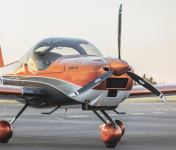
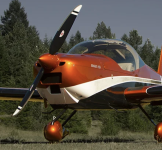
Which one did you go with? I went with the 2-blade. I thought the wider blades looked better than the narrow blades on the 3-blade. I also thought it would be easier to remove the cowl with the two-blade.For most it's a personal decision. If you have the chance, try to look at both in person. I was convinced I wanted to go with one option, until I saw them both in person at KOSH. I changed my mind and ended up ordering the other one.

I went with the 2 blade prop. In general, I usually prefer the look of 3 bladed props. However, seeing the skinnier blades in person, made me think of props used on ultralights or paramotors. There's nothing wrong with that. I just prefer the beefier appearance of the 2 blade.Which one did you go with? I went with the 2-blade. I thought the wider blades looked better than the narrow blades on the 3-blade. I also thought it would be easier to remove the cowl with the two-blade.

rcarsey
Well Known Member
- For efficiency at cruise, simplicity, and cost-effectiveness, a two-blade propeller is recommended, particularly for aircraft primarily used for long-distance cruising at lower altitudes.
- For better climb performance, reduced noise, and operations on shorter or rougher runways, a three-blade propeller is preferable, especially in more challenging operating environments.
I used to subscribe to these rules too.. back when I was building and decision time came. However, now that I've done a few very long cross-countries (NJ to Florida 3x; NJ to OSH 3x).. I can say that the 2-bladed noise and vibration does wear on you.. so if your mission is LONG xctry, you still might want to consider the 3-bladed prop for these reasons.
Rob,I used to subscribe to these rules too.. back when I was building and decision time came. However, now that I've done a few very long cross-countries (NJ to Florida 3x; NJ to OSH 3x).. I can say that the 2-bladed noise and vibration does wear on you.. so if your mission is LONG xctry, you still might want to consider the 3-bladed prop for these reasons.
I have come to the conclusion that after the build (ELSA),I will look into the 3 bladed props that are available.
My observations and opinion are based on 1997 RV6 with O-320 engine. Three propellers flown on this plane. Two blade wood, two blade metal, and three blade GA Sensenich. All three balanced well below recommended IPS. Both 2-blade propellers were very smooth in flight. The 3-blade in not as smooth and "feels" buzzier in flight. All three result in virtually same max speed at 8500'. The 3-blade seems to climb a little better than either 2-blade. The 3-blade has a steeper power off descent angle and needs a little power added for soft landing. My observation is that the performance of these three propellers on my RV6 are so similar that appearance and cost should be your decision inputs.Getting ready to order 12iS engine. Has option to order 2/3 bladed prop. Not sure which to order. Any suggestions on which and are there any pros/cons.
amckeen,My observations and opinion are based on 1997 RV6 with O-320 engine. Three propellers flown on this plane. Two blade wood, two blade metal, and three blade GA Sensenich. All three balanced well below recommended IPS. Both 2-blade propellers were very smooth in flight. The 3-blade in not as smooth and "feels" buzzier in flight. All three result in virtually same max speed at 8500'. The 3-blade seems to climb a little better than either 2-blade. The 3-blade has a steeper power off descent angle and needs a little power added for soft landing. My observation is that the performance of these three propellers on my RV6 are so similar that appearance and cost should be your decision inputs.
Thanks for giving us your observations on the different props you have used. These types of test that our members give is important.
rcarsey
Well Known Member
Rob,
I have come to the conclusion that after the build (ELSA),I will look into the 3 bladed props that are available.
Catto was developing a ground-adjustable 3-blade prop for the RV-12.. I think he's still finishing the design though.
Rob,Catto was developing a ground-adjustable 3-blade prop for the RV-12.. I think he's still finishing the design though.
That is good news to hear. Time is on my side.
sansoneservices
Well Known Member
I never understood the choice being made for appearance. If you're tail heavy get a Three blade. If you're concerned with ground clearance get a Three blade. Otherwise get a two blade.Getting ready to order 12iS engine. Has option to order 2/3 bladed prop. Not sure which to order. Any suggestions on which and are there any pros/cons.
PilotjohnS
Well Known Member
If you are going to do ifr training get a prop with thehighest moment of inertia makes pitch control less sensitive. I have a catto on my 9a and mosthand flying ifr has to be on otto to over coming pitch sensitivity. The attention to the attitude indicator detracts from the learning, but you do get good at flying.this will tend to be 3 bladed or metal 2 blade jmho
I believe the 3 blade gives you .55” more ground clearance, not that significant.If you're concerned with ground clearance get a Three blade.
Norman CYYJ
Well Known Member
Two blades is more efficient than three.
unladenswallow
Active Member
Another consideration is the extra stress and vibration of a 2-bladed propellor when the pitch or yaw angle of the aircraft is changing. From https://apps.dtic.mil/sti/tr/pdf/ADA380456.pdf:

I recall that many years ago this was raised in connection with an AD on propshaft inspection for some Lycoming engines with hollow propshafts, because it was suspected that the increased stress when using a 2-blade propellor hadn't been taken into account.
I recall that many years ago this was raised in connection with an AD on propshaft inspection for some Lycoming engines with hollow propshafts, because it was suspected that the increased stress when using a 2-blade propellor hadn't been taken into account.

This is true only if all other things are equal. That is seldom the case!Two blades is more efficient than three.
sansoneservices
Well Known Member
Yes due to blade to blade turbulenceTwo blades is more efficient than three.
Update, Sensenich performed a static balance check of my 3 blade GA propeller. It is now very smooth through the whole RPM operating range. It's performance is excellent, better than my wood or metal propellers. Highly recommended.My observations and opinion are based on 1997 RV6 with O-320 engine. Three propellers flown on this plane. Two blade wood, two blade metal, and three blade GA Sensenich. All three balanced well below recommended IPS. Both 2-blade propellers were very smooth in flight. The 3-blade in not as smooth and "feels" buzzier in flight. All three result in virtually same max speed at 8500'. The 3-blade seems to climb a little better than either 2-blade. The 3-blade has a steeper power off descent angle and needs a little power added for soft landing. My observation is that the performance of these three propellers on my RV6 are so similar that appearance and cost should be your decision inputs.
