Lycosaurus
Well Known Member
I am in the process of re-installing my engine after a 17 year run, in so doing I am applying a few improvements and modifications.
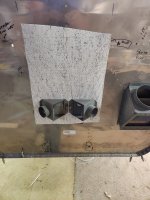
I have an aftermarket TG-10 heat box that is constructed of stainless-steel, but this applies for the TG-10 that most people have installed on their RV. The excess hot air not used by the cabin is dumped off to the left side of the airplane. This dumped hot air gets directed in the general area of the fuel pump and in my case the fuel flow sensor, which I surmise is not great thing to do. My special case is that I have dual mufflers with integral heat muffs that are Y-ed to the heat box and produce a lot (*A LOT*) of hot air. Not ideal for the engine compartment during summer hot days.
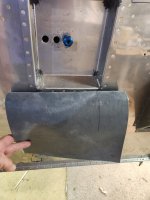
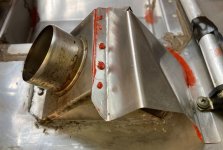
I decided to fabricate a dumped hot air deflector that would channel that air flow down via that area of the cowl opening near the nose gear leg. I have not flow it yet.
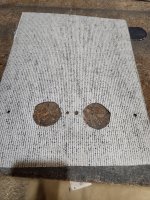
I just used some cereal box cardboard to generate my 'CAD template", and then used my human analog CNC capabilities along with metal snips to cut it out of thin aluminum. One pop rivet, one screw at the top placed to minimize the interference on the deflector flap), high temp RTV, and finally sharing the oil breather tube support screw as shown in the photos. I did do a some cleanup of the coked oil and such on the TG-10 after taking these photos.
If I would do anything different, I would attempt to enlarge the opening at the bottom. I think this should work just fine.
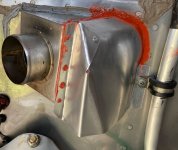
I have an aftermarket TG-10 heat box that is constructed of stainless-steel, but this applies for the TG-10 that most people have installed on their RV. The excess hot air not used by the cabin is dumped off to the left side of the airplane. This dumped hot air gets directed in the general area of the fuel pump and in my case the fuel flow sensor, which I surmise is not great thing to do. My special case is that I have dual mufflers with integral heat muffs that are Y-ed to the heat box and produce a lot (*A LOT*) of hot air. Not ideal for the engine compartment during summer hot days.
I decided to fabricate a dumped hot air deflector that would channel that air flow down via that area of the cowl opening near the nose gear leg. I have not flow it yet.
I just used some cereal box cardboard to generate my 'CAD template", and then used my human analog CNC capabilities along with metal snips to cut it out of thin aluminum. One pop rivet, one screw at the top placed to minimize the interference on the deflector flap), high temp RTV, and finally sharing the oil breather tube support screw as shown in the photos. I did do a some cleanup of the coked oil and such on the TG-10 after taking these photos.
If I would do anything different, I would attempt to enlarge the opening at the bottom. I think this should work just fine.