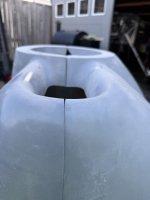
Doesn't matter. You still need to do it well, with detailed fit and finish. Very few painters will rebuild a badly fitted cowl, and it has an effect on resale....pretty paint on ugly glass.
Break.
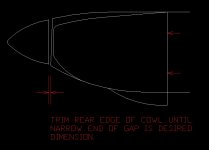
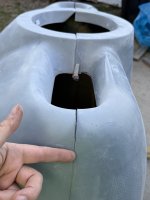
The problem you're having is caused by a trim here and a cut there without any real guidance. The glass, as removed from the crate, is just a template. Forget the scribe lines. Work from fundamental dimensions; trim and fit as necessary for a circle of the correct diameter with equal inlets. Flanges are wrong? Sometimes it's easier to just cut them off and add new flanges. Make sure you set the gaps wide enough, or you'll have paint chipping problems later. How wide? The minimum is the width of a hacksaw blade, but they can be 1/8" wide and still look good, the key being
consistent width.
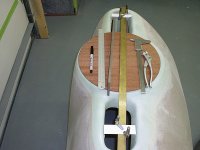
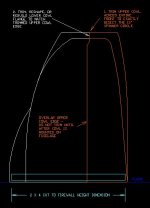
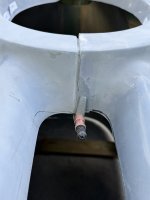
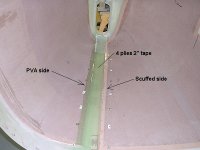
Don't be afraid to jig parts into exact relationships. In this example, the cleco holes took about five minutes to fill with micro later. The jigging fixated gap width and equal surface plane so I could add a new full length flange on the inside.
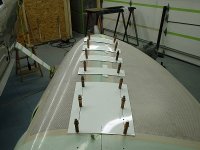
The depth of the inlets is up to you, but generally deeper is not better. A shorter bottom is fine, because you later bridge the gap between cowl and inlet ramp with rubber sheet, and more gap means the lower cowl is easier to remove and install. Shortening the upper cowl moves the ramps forward, reducing the pinch between the forward cylinders and the ramp.
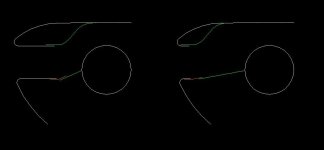
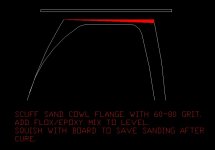
Sometimes the forward face isn't parallel to the spinner and backplate. After the cowl is entirely fitted and mounted, the flange face is easily corrected with some flox.