

Van's Air Force
You are using an out of date browser. It may not display this or other websites correctly.
You should upgrade or use an alternative browser.
You should upgrade or use an alternative browser.
Horizontal Stab Pivot Bolt Fell Out In Flight - RV-12 E-LSA
- Thread starter jackking123
- Start date


rtlongdon
Well Known Member
My 12 is hangared on the south end at KAWO, I'll take a look at my pivot bolts in the next week or so and add to the observations here.Thanks for the data point, Jon. I'll get a small mirror in there soon to see how many threads I've got.
Interesting to see you're based at KAWO--so am I! I'm up in the north hangars.

Bill Boyd
Well Known Member
The physics teacher in me thanks you for posting this, Dan.Use of a swivel at such a low angle would have no effect on applied torque.
Likewise, the extension does not change applied torque.

Question: Is a nutplate equivalent to a standard AN4 nut (50-70 in-lb) or a self locking nut (85 in-lb) ?? per the vans manual torque call out.Thank you for weighing in, Scott. Any ideas what might have caused this? Insufficient torque on the bolts? Nutplates with weak locking threads? Tight roller bearings that impart a light torque on the bolt?
Regarding torque, I used 70 in-lb when installing these bolts--which was intentionally on the lower end of the recommended torque range. My rationale for that was to reduce the chances of binding in a flight control. The recommended torque for AN4 bolts is 50-70 in-lb plus friction torque, so I decided to use 55 in-lb of torque plus 14 in-lb of measured friction, for a total of 69. Which I rounded up to 70. Would you suggest using a higher torque?
then when adding the friction drag torque you are in the neighborhood of 62-75 in-lb for standard or 100in-lb for self locking.
Which is correct in this application? I don't have a 12 manual/plans, is the torque value for this bolt called out in the plans specifically?
Also, the way I understand attaching flight controls is that if the spacers between clamping a bearing are correct, we should never have to back off of the correct torque. If binding is happening, more work needs to be done to get the spacers/shim/washers lengths correct between the bearing. I read an old thread a while back that talks about the proper elevator attach method after a VAF inspection guy found an RV8 elevator bearing loose because the owner felt binding, so he loosened the nut. That's a no-no
Last edited:

The KAI does not indicate any specific value for the the stab attach bolts. This leaves builders and maintainers with using the standard values in Van's Ch. 5 or AC 43.13. Neither of those resources describes any meaningful difference between the various types of self-locking nuts with respect to torque values.Question: Is a nutplate equivalent to a standard AN4 nut (50-70 in-lb) or a self locking nut (85 in-lb) ?? per the vans manual torque call out.
then when adding the friction drag torque you are in the neighborhood of 62-75 in-lb for standard or 100in-lb for self locking.
Which is correct in this application? I don't have a 12 manual/plans, is the torque value for this bolt called out in the plans specifically?
Also, the way I understand attaching flight controls is that if the spacers between clamping a bearing are correct, we should never have to back off of the correct torque. If binding is happening, more work needs to be done to get the spacers/shim/washers lengths correct between the bearing. I read an old thread a while back that talks about the proper elevator attach method after a VAF inspection guy found an RV8 elevator bearing loose because the owner felt binding, so he loosened the nut. That's a no-no
hmmm ok. I was just curious if there is a specified designation for nutplates regarding torque. I guess the way to be safe is torque to 70inlb and make sure there are three threads coming out the nutplate, no binding with free movement, and inspect as often as possible. re-check torque on annual inspection. ??The KAI does not indicate any specific value for the the stab attach bolts. This leaves builders and maintainers with using the standard values in Van's Ch. 5 or AC 43.13. Neither of those resources describes any meaningful difference between the various types of self-locking nuts with respect to torque values.
hmmm ok. I was just curious if there is a specified designation for nutplates regarding torque. I guess the way to be safe is torque to 70inlb and make sure there are three threads coming out the nutplate, no binding with free movement, and inspect as often as possible. re-check torque on annual inspection. ??
Your procedure sounds mostly acceptable. The guidance would be to measure the friction drag, and add that to the torque value. For the average locking nut your 70inlb would probably have you in the 50-70 range, since friction drag is likely to be something under 20 pounds. I don't mean to minimize the importance of good practice here but the published ranges are pretty wide, especially when you consider there is also some allowable tolerance (10%?) in the torque wrench itself. We need to follow best practices to avoid big mistakes, but it's easy to obsess and overthink a torque value.
The metal lock nuts can be frustrating in this regard since it's just an out-of-round thread. They don't seem to be very consistent and some have a really high friction drag. For the measuring friction drag step, I like to check that after the bolt has been threaded most of the way in and you are getting close to contact as opposed to the first few threads.
Anyway, keep in mind the torque value is intended to put the correct amount of tension or stretch on the bolt. Since it's a specification for the bolt and not the nut, this explains there not being different guidance for nut types. Adding the friction drag for any individual nut is meant to get you back to appropriate amount of tension being applied to the bolt.
flightdoc101
Member
I may be wrong but for a bolt that is working in shear rather than tension, the torque is immaterial. The purpose of torque is to place the correct working tension on the bolt. I suggest that correct installation for the case in question would be to "snug" the head of the bolt up to the holding bracket and done. The bolt needs to be of sufficient length to be adequately through the nut-plate, as with a nyloc nut. Same principle, different execution.
I agree that the torque vale should be mostly immaterial….but I also have to say…there appears to be plenty of room to address the issue with a castellated nut and cotter pin. Access isn’t that severe and you only do it once, most likely.I may be wrong but for a bolt that is working in shear rather than tension, the torque is immaterial. The purpose of torque is to place the correct working tension on the bolt. I suggest that correct installation for the case in question would be to "snug" the head of the bolt up to the holding bracket and done. The bolt needs to be of sufficient length to be adequately through the nut-plate, as with a nyloc nut. Same principle, different execution.
I’ve come up with all kinds of specialty tools for situations like these over many years and the notion that you are able to torque…but not safety…is silly.
Re-stated: Nyloks, or clinch nuts of any kind should be avoided whenever possible, on flight surfaces
Last edited:
flightdoc101
Member
I no longer own the 12ULS I built so academic interest here. I would probably wire the nuts on next condition inspection if still an owner. I need less things to fret over while flying, not more. I agree with your assessment.I agree that the torque vale should be mostly immaterial….but I also have to say…there appears to be plenty of room to address the issue with a castellated nut and cotter pin. Access isn’t that severe and you only do it once, most likely.
I’ve come up with all kinds of specialty tools for situations like these over many years and the notion that you are able to torque…but not safety…is silly.
Re-stated: Nyloks, or clinch nuts of any kind should be avoided whenever possible.
Now flying a Risen 912.
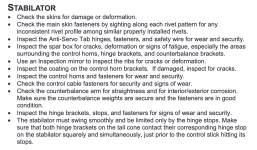

Good discussion above. I'm also frustrated by the lack of reliable torque guidance for these bolts, especially since they are two of the most important bolts in the airplane! I also wonder why the torque tables in the KAI and AC 43.13 don't specifically address nutplates, just standard nuts and self-locking nuts. At least in terms of friction drag, my experience is that nutplates tend to lie in-between the two.
At this point, my best guess is that the bolts in my airplane may have loosened due to being under-torqued, leading to an insufficient clamping load and bolt tension. This could have been caused by using a lower-end target bolt torque combined with measurement errors due to the angle of the torque wrench (~15 deg), long double 1/4" socket extensions, plus a wobble socket. My sense is that each of these errors by itself was probably small, but together they may have added up to something more significant.
Based on the above, I plan to re-torque those bolts to a higher value, from 70 in-lb to 85 in-lb. And continue to monitor them closely.
At this point, my best guess is that the bolts in my airplane may have loosened due to being under-torqued, leading to an insufficient clamping load and bolt tension. This could have been caused by using a lower-end target bolt torque combined with measurement errors due to the angle of the torque wrench (~15 deg), long double 1/4" socket extensions, plus a wobble socket. My sense is that each of these errors by itself was probably small, but together they may have added up to something more significant.
Based on the above, I plan to re-torque those bolts to a higher value, from 70 in-lb to 85 in-lb. And continue to monitor them closely.
Last edited:
I think you are missing the point here. As designed, the back side of these 2 bolts are inaccessible once the stabilator skin is on, thus the nut plate. The structure is not like a standard fixed horizontal stabilizer with elevator attached. To account for this a Cam bearing is used and the bolt is not supposed to be an axle but pulled up tight enough to clamp the inner sides of the cam bearing, a perfectly acceptable method of addressing the need. I agree with your assertion that applications where the bolt acts as an axle should be castle nut and pin. In this case it is not possible to use anything but a nutplate by design.I agree that the torque vale should be mostly immaterial….but I also have to say…there appears to be plenty of room to address the issue with a castellated nut and cotter pin. Access isn’t that severe and you only do it once, most likely.
I’ve come up with all kinds of specialty tools for situations like these over many years and the notion that you are able to torque…but not safety…is silly.
Re-stated: Nyloks, or clinch nuts of any kind should be avoided whenever possible, on flight surfaces
With all due respect…if the tail has the possibility of departing the aircraft in flight, thus killing the occupants…then finding a safe method of safetying that bolt would seem important. Given the notion that two aircraft have demonstrated the same issue in the last few months, would entice me to resolve the problem myself. safety wiring the head of the bolt sounds like a viable option, as does simply creating an access hatch to access the back side of the spar…similar to our aileron bell crank hatch…I think you are missing the point here. As designed, the back side of these 2 bolts are inaccessible once the stabilator skin is on, thus the nut plate. The structure is not like a standard fixed horizontal stabilizer with elevator attached. To account for this a Cam bearing is used and the bolt is not supposed to be an axle but pulled up tight enough to clamp the inner sides of the cam bearing, a perfectly acceptable method of addressing the need. I agree with your assertion that applications where the bolt acts as an axle should be castle nut and pin. In this case it is not possible to use anything but a nutplate by design.
Regardless of what the designer intended, if this is occurring either as a result of incorrect assembly, or unintended consequences, I’d break out my creative thinking hats and find the most fool proof fix and employ it.

The structure is not like a standard fixed horizontal stabilizer with elevator attached. To account for this a Cam bearing is used and the bolt is not supposed to be an axle but pulled up tight enough to clamp the inner sides of the cam bearing, a perfectly acceptable method of addressing the need....
While the stabilator is indeed unique to the 12, interestingly the flanged bearing VA-146 is common to all Vans aircraft.

Bearing, Flanged

Yes but it is used in very different applications on those various models.While the stabilator is indeed unique to the 12, interestingly the flanged bearing VA-146 is common to all Vans aircraft.
Bearing, Flanged
store.vansaircraft.com

Flight Youth Engineering
Member
Data Point.
200hrs
Just completed the Annual Inspection on our schools RV-12iS
Both bolts had not moved and are correctly torqued.
The Torque Seal had not been disturbed.
I will increase inspection of these bolts and employ the tip wobble method during pre-flight and visual inspection as in Post #18
200hrs
Just completed the Annual Inspection on our schools RV-12iS
Both bolts had not moved and are correctly torqued.
The Torque Seal had not been disturbed.
I will increase inspection of these bolts and employ the tip wobble method during pre-flight and visual inspection as in Post #18
csmith3603
Well Known Member
I'll add another warning about this issue. Yesterday I was doing a pre-flight inspection on my RV-12iS, and I noticed a little play (and a subtle clicking noise) in the left side of the stabilator when I jiggled the tip up and down. So I removed the upper tailcone fairing and checked the AN4 stab pivot bolts. The left side bolt was quite loose, needing about a 1/2 turn to bring it back up to the required torque (70 in-lb, which includes friction torque). The right side was also a little loose, needing about 1/8 turn to bring it back up to torque. I recall carefully torquing those bolts just over a year ago during final assembly, and my airplane has been flying for only 7 months/85 hours (so it has not had a condition inspection yet).
I'm quite surprised these bolts loosened this much in such a short amount of time. Based on the discussions in this thread, I plan to replace the bolts with drilled-head versions soon and safety wire them in place. Lesson learned is to carefully check for this issue in every pre-flight inspection! Make sure to actually jiggle the stab tips to feel for any new play and listen for any clicking noises.
This is an RV12. I’m a builder of mine. If you can get a nut on the back of that bolt carry on. It’s totally inaccessible.I agree that the torque vale should be mostly immaterial….but I also have to say…there appears to be plenty of room to address the issue with a castellated nut and cotter pin. Access isn’t that severe and you only do it once, most likely.
I’ve come up with all kinds of specialty tools for situations like these over many years and the notion that you are able to torque…but not safety…is silly.
Re-stated: Nyloks, or clinch nuts of any kind should be avoided whenever possible, on flight surfaces
You have to read the whole thread. To answer your question, no access. It is a one side access configuration with a nutplate. When elevator is in place access is poor to nil.Wouldn’t a castellated nut and cotter pin solve the problem?
All certified aircraft require castellated nuts and cotter pins on all primary controls. Regardless of what the kits manufacturer allows…that logic makes the most sense to me.
Safety wire is what this builder did and others have done (see post #23) . That will assure bolt will not come out. Also regular condition inspections is another defense against bolts backing out.
Inspect elevator bolts every flight is what I'd like RV-12 pilots to do. Again read thread, access is poor to nil. A tail cone inspection hole for better visual inspection access may be possible. It's just hard to casually inspect these bolts. May be plexiglass covered inspection hole, or again safety wire, tried and true. Almost no down side, just a pain to install. However once wired, bolt can't be removed until you cut the wire.
PS On my RV-7 I can't see nuts and bolts in the control system. For example aileron bell crank in wing, especially right wing where the autopilot servo is, there are many bolts with nylon locking nuts. I don't love it. You can't inspect those control fasteners without taking inspection panel off, not practical for daily preflight. I am thinking of drilled bolts, castellated nuts/cotter pin, at least for the servo linkage. Otherwise you have to rely on regular inspection, no more than 12mo.
For what it's worth, it's fairly easy to inspect the stab pivot bolts as part of every pre-flight (in addition to the shake test). Just insert a thin inspection light into the slot for the AST pushrod, and it will light up everything inside the tailcone fairing. Then you can peer through the stab spar openings on each side of the tailcone fairing and see the pivot bolt heads directly. If you've marked those bolts with torque seal as I have, it's easy to see if they have shifted.
That said, I've already ordered and received drilled-head AN4 bolts and plan to replace and safety-wire them soon. Just one less thing to worry about.
That said, I've already ordered and received drilled-head AN4 bolts and plan to replace and safety-wire them soon. Just one less thing to worry about.

This is not exclusive to the RV design architecture. If the pilot community decided that this was a concern, we would need to redesign all the Cessna‘s, Piper‘s, Beach, crafts, Moonys, fill in the blank with any other model, that we fly in generally aviation because they all have this type of hardware configuration all over in their control systems.On my RV-7 I can't see nuts and bolts in the control system. For example aileron bell crank in wing, especially right wing where the autopilot servo is, there are many bolts with nylon locking nuts. I don't love it. You can't inspect those control fasteners without taking inspection panel off, not practical for daily preflight. I am thinking of drilled bolts, castellated nuts/cotter pin, at least for the servo linkage. Otherwise you have to rely on regular inspection, no more than 12mo.
Cotter pin safetied hardware is not the absolute 100% assurance of no separation that a lot of people think it is.
There are a lot of accidents that have been caused by people either forgetting to install a cotter pin (really no different situation than someone forgetting to properly torque a fastener during installation), or the cotter pin failing and falling out. A lot of the instances where a cotter pin may have been installed but fell out, could be attributed to improper installation, but once the cotter pin is gone, there is no way to affirm whether that is true or not.
The point being, the use of cotter pins also has some level of requirement for being installed properly, which in a sense makes it no different than any other hardware configuration on an aircraft. If the work isn’t done properly, bad things can happen.
Last edited:
Obviously if safety wire, cotter pins, torque, etc is/are not performed properly safety is compromised. The stabilator hinge bolt has never been a reported problem, except for the OP one. That said, I don’t see why the defense to adding another level of safety. I was just working on my -12 engine mount, a torque value is given and a cotter pin is required. We torque the magnetic plug on the 912, and safety wire it. I am sure there are many other areas that get a torque and safety wire or cotter pin that don’t immediately come to mind. What is the problem with adding the safety wire on the stabilator bolt for another level of protection?
I don’t personally have a problem with it, but it does bother me, when a lot of these things come up in the forums, it often drifts toward peoples tone implying that they are being safer than others because they choose do something different just because one instance in an entire fleet of airplanes occurred. And secondary, a tone of why wouldn’t everyone do this?Obviously if safety wire, cotter pins, torque, etc is/are not performed properly safety is compromised. The stabilator hinge bolt has never been a reported problem, except for the OP one. That said, I don’t see why the defense to adding another level of safety. I was just working on my -12 engine mount, a torque value is given and a cotter pin is required. We torque the magnetic plug on the 912, and safety wire it. I am sure there are many other areas that get a torque and safety wire or cotter pin that don’t immediately come to mind. What is the problem with adding the safety wire on the stabilator bolt for another level of protection?
Has not been a problem that you know about. There is no requirement to report it with EAB. In Certified planes if an A&P or AI finds a serious safety of flight issue they have a mandatory obligation to report it. This is how AD (Airworthiness Directives) happen on small planes and Airliners alike. Service Difficulty Reporting System (SDRS) is mandatory for serious defects or conditions affecting airworthiness must be reported, even if the owner/operator is ultimately responsible for ensuring the aircraft is airworthy. Never heard of it so not a problem is not sound logic. I get your point but don't count on it. For us EAB RV builders and owners, we have Van's service letter bulletins. The FAA can not issue AD's on EAB's I recall. On my RV-7 the horizontal stab spar developed cracks on some planes. So this is an area to inspect and explains the repair if crack is found.Obviously if safety wire, cotter pins, torque, etc is/are not performed properly safety is compromised. The stabilator hinge bolt has never been a reported problem, except for the OP one. That said, I don’t see why the defense to adding another level of safety. I was just working on my -12 engine mount, a torque value is given and a cotter pin is required. We torque the magnetic plug on the 912, and safety wire it. I am sure there are many other areas that get a torque and safety wire or cotter pin that don’t immediately come to mind. What is the problem with adding the safety wire on the stabilator bolt for another level of protection?
I don't know if you are referencing me. I did not say your are not as safe without safety wire. I would say that inspecting these bolts during preflight is a great idea. As jetset44 said you can get a peekaboo view of the bolts in question with a light and you can wiggle the Stab. My point better inspection access might be something to consider. Your other post you say safety wire and cotter pin does not work if not installed properly. That is true, but the point in this thread is about the RV-12iS's two Horz Stab bolts. These critical bolts are held in with friction (nut plate). That is it. If torqued properly and during operations there is no anti-torque forces (loosening) the bolt or vibrations it should be fine.I don’t personally have a problem with it, but it does bother me, when a lot of these things come up in the forums, it often drifts toward peoples tone implying that they are being safer than others because they choose do something different just because one instance in an entire fleet of airplanes occurred. And secondary, a tone of why wouldn’t everyone do this?
Not to put gas on anyone's fire, these to bolts do experience some vibrations (Horz Stab gets buffeting) and there is rotational forces on the bolt (may be). Those rotational forces, are small if bearing is not seized. Also bearings center race is clamped in the clevis. That friction keeps center race from rotating. That friction should keep the bolt from seeing rotational torque, but only if the clamping force is high enough; bolt was torqued down to proper spec. I believe the access is poor so no torque wrench can be used I recall. Only funny if said with German accent, use the "Gut Un Tite" torque method. Some builders/maintainers put Loktite on these bolts as well.
There are risks in flying, and we can try and mitigate them. I can see IF the bolt were loose (not torqued properly), friction in the nut plate locking feature (out of round crimp in threaded area) is not enough, with rotation of Stab and vibrations, the bolt could walk out? Bottom line make sure bolts are nice and tight, but also do over torque them and risk damaging nut-plate or bolt threads.
Last edited:

Probably the only downside to VAF is the social media failure analysis. It typically goes the same way:I don’t personally have a problem with it, but it does bother me, when a lot of these things come up in the forums, it often drifts toward peoples tone implying that they are being safer than others because they choose do something different just because one instance in an entire fleet of airplanes occurred. And secondary, a tone of why wouldn’t everyone do this?
Post with a picture of a problem.
Post saying it should have been found during inspection
Post saying it’s a design flaw
Post saying it is added to preflight checklist
Post with an unworkable solution
Posts with engineering buzzwords.
Dunno. If you look you can find a post or two recommending “running a tap” through nut plate threads to make it easier to get the bolt in.
rtlongdon
Well Known Member
I inspected mine a few weeks back and promised to report in as a data point. I checked the bolt torque and it was fine. This is after about 150 hours which is when I removed the HS to perform the counterweight reinforcement SB back in February of 2023. I also have log book notes of the last 3 CI's since and torque was checked and found to be normal, no issues.
I am the OP. I don't know what thread you are talking about. Seems to be a list of Pet Peeves that are relevant to this thread. This thread has been very productive with great inputs. I don't understand most of your bullet items.Probably the only downside to VAF is the social media failure analysis. It typically goes the same way:
Post with a picture of a problem.
Post saying it should have been found during inspection
Post saying it’s a design flaw
Post saying it is added to preflight checklist
Post with an unworkable solution
Posts with engineering buzzwords.
Dunno. If you look you can find a post or two recommending “running a tap” through nut plate threads to make it easier to get the bolt in.
- Post with a picture of a problem.: Bolt sitting in bottom of fairing. No picture available.
- Post saying it should have been found during inspection: Fell out in flight, up to you to guess if it was visible at last condition inspection. Builder Repairman said it was OK at condition inspection.
- Post saying it’s a design flaw: No one said flaw just that safety wire drilled bolt head may be worthy Mod.
- Post saying it is added to preflight checklist: Difficulty seeing bolts during preflight w/ fairing on was discussed, and wiggle the stabilator. I don't know of any plane you don't check the flight controls during walk around. It is SOP.
- Post with an unworkable solution: Such as? Two workable solutions (assuming a solution is needed) have been proposed, safety wire and/or improving inspection visibility.
- Posts with engineering buzzwords: What buzz words are you referencing? Bolt, nut plate, torque, safety wire, cotter pin, preflight.
- Dunno. If you look you can find a post or two recommending “running a tap” through nut plate threads to make it easier to get the bolt in: BAD IDEA to run a tap through stabilator nut plates. This may be OK for small #8 or #10 phillip screws to hold a faring on. Phillip head screws are hard to turn in a tight nut plate. A bolt, not a problem with a hex head bolt and wrench. Fairing with 20 screws no big deal. Only 2 bolts holding the stabilator, I want the nut plate to be tight. Don't ream them (run a tap through them).
Last edited:
