


Van's Air Force

The definitive Van's Aircraft support community! Buying, building or flying an RV? Join our exclusive family of mentors and enthusiasts!

Rivets and gouge question

jonbo

Member
Patron
Hi!
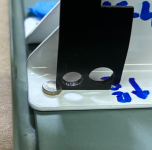
I'm riveting a rear spar part that asked for a -7 rivet in the plans but they kept bending over so I went down a whole size since I didn't have a 6.5. I got what I thought were good results but the rivet guage is juuuuuuust shy of touching the head when I measure the shop head height.
What do you all think?
1. Close enough?
2. Drill out and cut some 6.5 rivets with a rivet cutter?
3. Find a new hobby?
1754749193197.png

Ok and then this one:
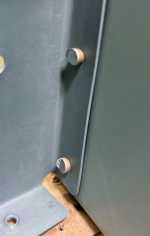
Already drilled them both out but what do you think of the top one?
1754749395671.png

Last one I promise:
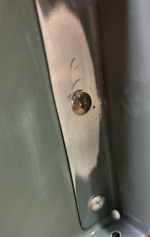
I made a perfect rivet here! Beautiful. You'll have to trust me. But I celebrated too soon and smashed the rivet gun into this rib flange leaving these nasty smileys. I plan on asking vans about this but, I'll take any hot takes from you fine folks. Are gouges like this a cause for concern?
1754749622050.png
 
Last edited:
I think all 3 are fine. You’ll do more damage trying to drill them out. For the short rivet, in my experience the cleaveland rivet gauge you’re using is actually slightly longer than mil-spec. I’ll bet if you check it with a caliper, you’ll be within the spec. As for the smileys…there isn’t a plane flying that doesn’t have those. Build on is my advice.
 
In general, I find that going down a rivet size isn't usually a great idea since it tends to make getting a decent size shop head iffy. That being said, if it's really close using the gauge and you want to be sure, just check it against the mil-spec range. I bet you're actually fine. For the second picture, I'd just hit that top rivet a tiny bit more. The smileys aren't the end of the world. Where they are potentially problematic is if you bounce the rivet set on the head itself and make a smiley through the manufactured head. Make sure you let off of the trigger before starting to lift the gun. You can also buy little plastic caps that go over the rivet set that help to keep it from bouncing around. One small package lasted me the whole build. I just used them in areas where I didn't have a good angle with the gun, so they helped with a tiny bit more insurance from bouncing. Even so, I have plenty of smileys, so welcome to the club.
 
Looks fine. Definately not worth drilling. Drilling long rivets is asking for trouble.

Walk around an airport sometime. You will feel much better.

I never made a smiley, :ROFLMAO: , but if I did I would rhb that spot with some scotchbrite to knock off any sharp edges.
 
It’s a good time to start to calibrate your finger and eye balls. There will be many rivets that you will not be able to get a gauge on.
One trick I learned early was you can press your finger tip into the rivet head. It will leave a depression that you can measure with calipers. Not perfect but close enough. Try it on one you can measure. After a short time, you can feel if a rivet is set right. You’ll ditch that gauge after a while as you gain experience regardless, maybe only checking every once in a while to reassure yourself.
By the way, the worst set rivets on my entire airframe are in the QB fuselage the factory did.
 
in my experience...(limited) I find the best shop heads on the correct size rivet...certainly not long....use your caliper...if the shop head is .050 or higher you are good to go and in fact even if it was .040 Id be happy with it. those gauges are good for a quick check but mil spec on a 1/8" rivet is shop head diameter .160 or larger and height between .050 and .070. I have taken to cutting down rivets to the correct size and getting excellent shop heads...every time I try to set a too long rivet...it leans....Id rather be shorter than longer as long as I get minimum mil spec measurements.
 
Back
Top
