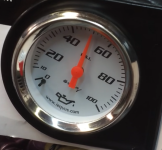
Has anyone installed a pre oil system on an IO 360?
I’m wondering where to pickup the oil source into the pump.
I’m wondering where to pickup the oil source into the pump.


There is a plug at the bottom of the sump.Has anyone installed a pre oil system on an IO 360?
I’m wondering where to pickup the oil source into the pump.

Have seen many references to various Toyota engines easilly hitting the .5M mile mark. Somehow they achieve this without pre oililng. We hear about this start up wear from guys like mike busch, but believe he just makes this stuff up.I feel like this is a solution in search of a problem.
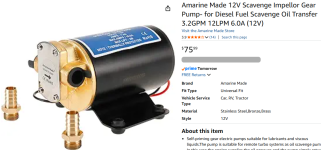
Funny you should mention this concept. My system generates about 25 psi and is useful for pre-oiling the bearings but not the cam shaft, which according to a very experienced IA, is only oiled by slinging oil from the spinning of parts on a Lycoming. The accumulator, which I believe was originally designed for race cars, concept is one I considered but it requires me to do something (remember to turn off prior to shutdown) and mine is automatic. Mine will also operate for any length of time the oil pressure is down but the accumulator is gone in seconds. But neither will create sling with an engine that is not moving. Both systems are an incomplete answer to pre-oiling. The same IA recommend ZDDP being added to the oil to reduce the tendency for the oil to run off leaving the metal bare.A few RV people have put an accumulator in the oil system to keep from having oil pressure loss while doing short length inverted maneuvers.
Many of these planes, with this inverted oil system, have a valve at the accumulator that they can turn off before shutdown keeping accumulator oil under pressure that can be used for pre-oiling, by turning the valve open just prior to the next start.
While the cam lobes are oiled in part from oil slung off the crank, each cam journal (4 in total) has a pressurized oil feed and will spray oil on the lobes as well. Also, each lifter bore has a pressurized oil feed and the exiting oil will also spray on the lobes.Funny you should mention this concept. My system generates about 25 psi and is useful for pre-oiling the bearings but not the cam shaft, which according to a very experienced IA, is only oiled by slinging oil from the spinning of parts on a Lycoming. The accumulator, which I believe was originally designed for race cars, concept is one I considered but it requires me to do something (remember to turn off prior to shutdown) and mine is automatic. Mine will also operate for any length of time the oil pressure is down but the accumulator is gone in seconds. But neither will create sling with an engine that is not moving. Both systems are an incomplete answer to pre-oiling. The same IA recommend ZDDP being added to the oil to reduce the tendency for the oil to run off leaving the metal bare.

Well, let's say that using one's intellectual capacity for a second will confirm that theory, at least to a certain degree.We hear about this start up wear from guys like mike busch, but believe he just makes this stuff up.

Suggest you check with @BillL on this forum. I believe he installed a pre-oiler on his IO-360. Bill is also a very gifted and experienced engine engineer and I respect his opinions greatly.Has anyone installed a pre oil system on an IO 360?
I’m wondering where to pickup the oil source into the pump.

After an overhaul on my 0-320, and without any prepacking of the oil pump, using the starter only it took 14 seconds of turning the engine with the starter to bring up 50# oil pressure. Everything was lubed with assembly lube. I don' t think the oil drains off in that clearance. But i fly weekly or more often. I also took a video.Has anyone installed a pre oil system on an IO 360?
I’m wondering where to pickup the oil source into the pump.

How often do the mechanical pumps fail? And is the addition of the electric pump (additional cost, weight, complexity, maintenance) worth covering that risk? Everything in aviation is a tradeoff - and sometimes the juice ain't worth the squeeze.I can see the added risk angle: a series of fittings that causes a pathway to oil pressure loss in flight if they come apart.
It occurred to me that there's also a corresponding safety/redundancy angle. Could a pre oiler act as an electric backup oil pump, much in the same way we have electric backup fuel pumps in case the mechanical pump fails?

For the record, I agree with this rationale, I just wanted to express a possible advantage.How often do the mechanical pumps fail? And is the addition of the electric pump (additional cost, weight, complexity, maintenance) worth covering that risk? Everything in aviation is a tradeoff - and sometimes the juice ain't worth the squeeze.
It wouldn't be too hard to rig the pump for off/auto/on where a pressure switch engages the pump below, say 30psi, with an alert light, and then you switch to manual on. 7-10s could be pessimistic if there's a big red low oil pressure light high in the panel with an on switch right next to it. Presumably there's no air in the feed or return from the pump at that time, so pressure could be near instant.But lets follow that logic for a minute - you have a backup electrical oil pump. You are flying along and get an alert for low oil pressure. By the time you get over the initial panic, realize what has happened, figure out to reach over and flip on the switch, and let the oil pressure come up, somewhere between 7 and 10 seconds without oil pressure has gone by.
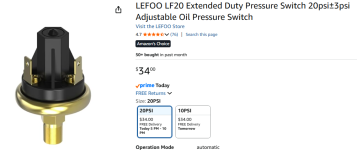
See post #3. I just went with a pressure switch (no on or off switch) and a warning light comes on my EFIS.For the record, I agree with this rationale, I just wanted to express a possible advantage.
It wouldn't be too hard to rig the pump for off/auto/on where a pressure switch engages the pump below, say 30psi, with an alert light, and then you switch to manual on. 7-10s could be pessimistic if there's a big red low oil pressure light high in the panel with an on switch right next to it. Presumably there's no air in the feed or return from the pump at that time, so pressure could be near instant.

Busch says pulling jugs is dangerous. I won't tell him the # of jugs pulled every yearHave seen many references to various Toyota engines easilly hitting the .5M mile mark. Somehow they achieve this without pre oililng. We hear about this start up wear from guys like mike busch, but believe he just makes this stuff up.