Van's Air Force

The definitive Van's Aircraft support community! Buying, building or flying an RV? Join our exclusive family of mentors and enthusiasts!

My turn to weep

Dugaru

Well Known Member
Sponsor
Friend
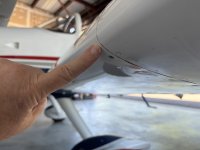
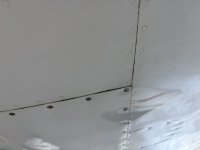
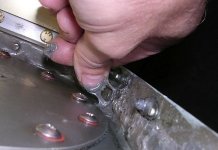
My 2007 RV-9A, which I did not build, has developed a weeping fuel leak at what appears to be the vicinity of the front outboard corner of the left tank. Although there are no relevant maintenance records, the tank appears to have been removed and worked on once before: the exterior screws heads are unpainted (the ones on the right tank are painted) and it looks like additional sealant of some kind has been added. Photos below: rear outboard corner, outboard side, outboard front corner.

I think this project needs to be put in the hands of a professional, which may not have happened last time... I’ve read the various threads, and would love to get the latest intel on shops specializing in this work. Close to me (central VA USA) would be a plus, but is probably asking too much. I suspect it won’t be cheap but I’d like to avoid the common GA combination of expensive AND long delays AND lengthy radio silences. 🤣
 

Attachments

  • IMG_2801.jpeg
    IMG_2801.jpeg
    100.3 KB · Views: 125
  • IMG_2808.jpeg
    IMG_2808.jpeg
    186.7 KB · Views: 124
  • IMG_2807.jpeg
    IMG_2807.jpeg
    107.2 KB · Views: 123
I'd fiind the exterior photos more interesting, where is the blue?


2nd link is $3K new tank link
 
I'd fiind the exterior photos more interesting, where is the blue?


2nd link is $3K new tank link
Thanks for the info!

Leak runs along the bottom of the wing, down the seam at the outboard edge of the tank, and staining the access panel. Seems to start about three inches back from the leading edge. Will get some pics.
 
My 2007 RV-9A, which I did not build, has developed a weeping fuel leak at what appears to be the vicinity of the front outboard corner of the left tank. Although there are no relevant maintenance records, the tank appears to have been removed and worked on once before: the exterior screws heads are unpainted (the ones on the right tank are painted) and it looks like additional sealant of some kind has been added. Photos below: rear outboard corner, outboard side, outboard front corner.

I think this project needs to be put in the hands of a professional, which may not have happened last time... I’ve read the various threads, and would love to get the latest intel on shops specializing in this work. Close to me (central VA USA) would be a plus, but is probably asking too much. I suspect it won’t be cheap but I’d like to avoid the common GA combination of expensive AND long delays AND lengthy radio silences. 🤣
PM sent
 
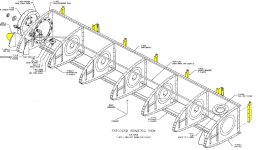
Doug, it's not a hard job. In addition to the skin screws, you'll remove 21 AN-3's from the attach brackets, working through the access panels in the bottom of the wing. The AN-4 on the bracket at the root, the fuel and vent lines, and the sender wire are trivial.

RV-9 Tank.jpg

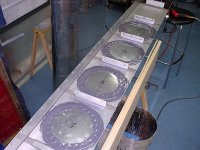
For a spot re-seal in the outboard bay, cut one access hole, clean and re-filet inside, then install a cover plate with closed end rivets.

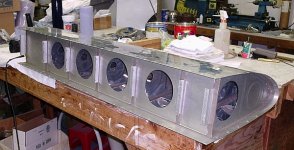
This is an -8 tank. The outboard bay is too narrow to go in through the rear wall, so access is from the side. You can go either way.

P8080003.JPG

Vans sells the cover plates, or just fabricate one.

P1220002.JPG
 
Doug I just went through this on my Spa Panther. I had a seep on the inboard rear seam next to the fuel pickup. I was able to seal using the wicking loctite on the inside. I worked through the sensor plate hole. I pressurized the tank slightly and sprayed soapy water on the external seam and looked for the bubbles. They were right at the corner. I cleaned the area thoroughly and applied a thin bead of the loctite (water consistency) along the inside using a veterinary urinary catheter. Then I put the cover plate back on and pressurized the tank slightly again and let it sit a day or so. The pressure held. For the heck of it I smeared a coat of proseal on the exterior of the seam. It's been 4-5 months and no leak so far.... It may not last but it was easier then pulling the tank off.
 
Additional pics. No new blue staining visible after sitting overnight.

First pic: Front edge of the older brown residue is a bit farther forward than I thought.
IMG_0554.jpeg

Second pic: staining (before cleaning) and now still a little brown residue visible along this seam, which is the outboard edge of the tank. This is looking under the wing, with the wingtip behind me and “down being toward the fuselage. Middle underwing access panel visible here also had staining.

IMG_0553.jpeg
Occasionally when it is full and heated up in the sun, this tank sends a bit of blue staining out of a rivet on top of the wing. My guess is that the same process is now happening at another location near this staining, but who knows.
 
Doug, the dark residue is likely proseal, probably softening on the exterior of the tank at the leak. It's called sealant reversion. We've never established the chemical mechanism, but we're familiar with the result. It's most often seen below a leaking fuel sender. No big deal; you'll just scrape off the softened material, clean with MEK, and reapply as desired.

Oddly enough, the return to paste only seems to happen on the outside of tanks, where subjected to a steady supply of leaking fuel.

No point in speculating about your leak. You'll never know what you have until the tank is on the bench.

Reversion.jpg
 
Doug
When removing the screws use a fresh #2 bit in your screw driver. Do NOT let the bit round out the phillip screws. You will create an entirely different project for yourself. Break them free manually and then you can back them out with a drill motor.
A
 
Back
Top