
What's the proper use of Loctite 518 or similar? The instructions that came with my accessory pad mounted alternator said to spread a film of gasket maker on both sides of the included gasket. I had always been told (by the "I know everything" auto mechanics I've spent time with over the years) not to spread gasket maker onto other gaskets because it could compromise the seal. What's the appropriate approach on an aircraft engine? I have the alternator gasket and a 90 degree oil filter adapter extension with multiple gaskets to deal with.

Van's Air Force
You are using an out of date browser. It may not display this or other websites correctly.
You should upgrade or use an alternative browser.
You should upgrade or use an alternative browser.
Gasket Maker
- Thread starter skelrad
- Start date

a hotly debated topic. Personally, i like sealant on most gaskets, but respect that many do not and install them dry. It has served me well over the years, just as it has served the other camp. There are some applications where this is not appropriate, but a minority. It is really preference, based upon what has worked for you over the years. Many would argue it doesn’t help, but no one knowledge would say that it compromises the seal. An exception would be using RTV on a gasket. This often results in problem. Rtv AS a gasket good, IF done with proper technique; rtv ON a gasket bad.. I had always been told (by the "I know everything" auto mechanics I've spent time with over the years) not to spread gasket maker onto other gaskets because it could compromise the seal.
518 is an anaerobic gasket maker or dressing and is what i use most often. It is appropriate for your application. Best part about this stuff is that the squeeze out doesn’t set up and create issues on fluid applications.
Last edited:

As Larry mentioned, the debate is much like talking primer..but, I'm a fan of Hylomar , similar to 518, and used it through many engine rebuilds, aviation and other. It stays pliable and removes easily in the event the items need separated. It really helps if surfaces aren't perfect or gaskets are dried out.
Attachments
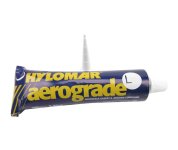

Yes, I am also a fan of Hylomar. Another A&P I worked with put me on to it. just use sparingly. And I only use on areas that a proned to leak (Finger screen crush gaskets, etc. )As Larry mentioned, the debate is much like talking primer..but, I'm a fan of Hylomar , similar to 518, and used it through many engine rebuilds, aviation and other. It stays pliable and removes easily in the event the items need separated. It really helps if surfaces aren't perfect or gaskets are dried out.

My only addition to this thread is the exception of silicone valve cover gaskets which I clean very clean and install dry. And do not over tighten the screws.Whatever you do, don't put gaskets on dry. My goto is to rub Titeseal on gaskets. In a pinch I use grease. Hylomar blue is good stuff as it stays flexible.
But my luck varies FIXIT

1) rtv before cure is VERY slick. It acts as a lubricant and allows gaskets to shift out of place as you torque them down. Severity of issue depends a lot on the gasket shape and thickness, as well as the shape of parts being assembled with the gasket. 2) the rtv squeeze out will cure and does so with a very thin attachment, allowing it to easily break off and cause issues in some applications like fuel, coolant, oil, etc. with small passages.No RTV on a gasket? I've yet to work on an aircraft engine, except the few as part of installing the engine. None called for sealant. Light coating of oil. Still curious.
Please elaborate.
Global meltdown?
Apocalypse?
Rtv is great stuff and has lots of use cases, but you won’t find many engine professionals using it as a gasket dressing. Many do use it AS a gasket replacement though, as do the oems on things like oil pans. But this requires a bit more technique than a typical gasket.
Last edited:
