



Two flights ago my carbon monoxide in the cabin rose to 40 ppm on takeoff. I attributed this to outside air vents closed and heat on both sides fully open and climbing at full throttle. However a few days ago I had the opportunity to fly and the carbon monoxide went up to 60 ppm on takeoff. Being just a couple hours from an oil change I opted to perform it early and inspect the heat muff.
What I discovered was the number 3 cylinder exhaust flange was loose on the studs and had been flopping around long enough to wear the threads off the stud and also wear down the lock nuts. The cowling was off 47 flight hours ago and it did not look loose on that engine inspection.
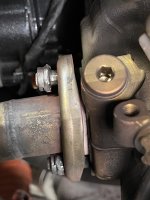
In this next photo you can see how soot has covered the surfaces. Just six months and 47 flight hours ago these surfaces were pristine clean. The engine has NEVER been dirty like this.
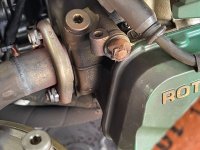
Lockwood has the stud and locknuts available and in stock ready to send. Has anyone had to remove one of these exhaust studs? I have given it a couple sprays of Kroil over the past week or so.....should this screw out fairly easily or is there a risk of cracking the cylinder head?
What I discovered was the number 3 cylinder exhaust flange was loose on the studs and had been flopping around long enough to wear the threads off the stud and also wear down the lock nuts. The cowling was off 47 flight hours ago and it did not look loose on that engine inspection.
In this next photo you can see how soot has covered the surfaces. Just six months and 47 flight hours ago these surfaces were pristine clean. The engine has NEVER been dirty like this.
Lockwood has the stud and locknuts available and in stock ready to send. Has anyone had to remove one of these exhaust studs? I have given it a couple sprays of Kroil over the past week or so.....should this screw out fairly easily or is there a risk of cracking the cylinder head?


