Van's Air Force

The definitive Van's Aircraft support community! Buying, building or flying an RV? Join our exclusive family of mentors and enthusiasts!

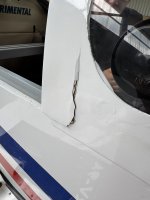
Delaminated windscreen frame

Wahlhamburger

Member
Patron
Guys, go easy on me and build quality.
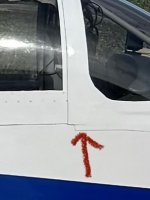
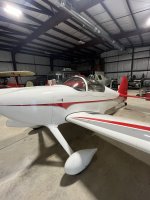
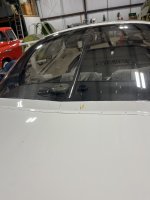
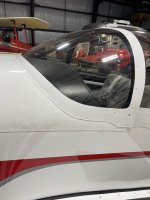
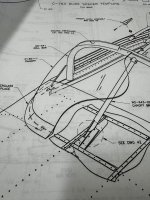
When upgrading the avionics of my recently purchased 2013 RV9A, someone leaned on the front top of the windscreen. I had spotted a small horizontal crack before (see second pic) but now 10 cm ripped off vertically.

Helpful:
1) has this happened with other planes?
2) how do you fix this?
I know it depends on how it was put together, I currently assume a relatively standard approach.

Thanks all
 

Attachments

  • IMG_8509.jpeg
    IMG_8509.jpeg
    1.1 MB · Views: 223
  • IMG_6778.jpeg
    IMG_6778.jpeg
    22.9 KB · Views: 220
Last edited:
Hi,
My windscreen fairing on my 6 delaminated as well. It’s the nature of fiberglass. It has the potential of delaminating.
I actually removed all fiberglass and made an aluminum fairing which is removable if I need in the future to replace the windscreen. I will admit that the aluminum fairing was difficult and I had help but I am soooo happy with it.
The obvious other way to repair is to remove your fairing and re fiberglass it.
 
Hi,
My windscreen fairing on my 6 delaminated as well. It’s the nature of fiberglass. It has the potential of delaminating.
I actually removed all fiberglass and made an aluminum fairing which is removable if I need in the future to replace the windscreen. I will admit that the aluminum fairing was difficult and I had help but I am soooo happy with it.
The obvious other way to repair is to remove your fairing and re fiberglass it.
Pics?
 
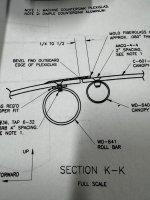
Figure a measuring method to find the center line of the roll bar.
Carefully drill/tap a couple holes through the fairing into roll bar for AN509-8 screws.
Countersink the fairing slightly too deep for the screws so you can fill over the screw head with glass & flox later.
Clean everything, squeeze some flox slurry under the fairing to glue it back against the lower w/shield fairing.
Install the #8 screws to tighten everything up and fill & finish as necessary.
 
Hi,
My windscreen fairing on my 6 delaminated as well. It’s the nature of fiberglass. It has the potential of delaminating.
I actually removed all fiberglass and made an aluminum fairing which is removable if I need in the future to replace the windscreen. I will admit that the aluminum fairing was difficult and I had help but I am soooo happy with it.
The obvious other way to repair is to remove your fairing and re fiberglass it.
Thanks it feels good to know that this has happened to others. Pics of the aluminium fairing would be fantastic
 
Very common issue. A repair as described by others will be far easier than abandoning and going with metal on a finished airplane. Way easier.

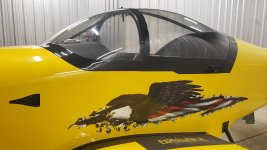
I chose to fabricate a separate fairing, back in the day, as I wanted all of my fairings to, well, look like a traditional fairing, and be removable. This can be done with glass or metal. I chose metal.

There are compound curves here and I chose to incorporate a flange, just like an old school fairing. Several techniques to do this, but I chose to wheel them on an English wheel.

The fairing is made up of four pieces. Left and right lower and left and right bow. The lower is .032 and bow is .040. I made these from 2024 T3. Using tempered material adds to the challenge. It would have been much easier with “O” and for the lower fairings it would have been fine but I wanted the bow to be tempered for obvious reasons.
The bottom of the fairings were coated with a thin layer of Sika and painters tape put down about 1/8” or so away from the fairing on the windscreen so I could form a nice filet. They are water tight.

I would do this again and will do this on the 15 if they follow convention and call for glass layups. It takes some skill building. I think it took me 3 or four times to get an acceptable fit.

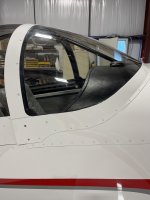
Good luck with your repair. I think you’ll find it pretty easy to do a nice job. IMG_0429.jpeg


IMG_0428.jpegIMG_0427.jpegIMG_0426.jpeg
 
Very common issue. A repair as described by others will be far easier than abandoning and going with metal on a finished airplane. Way easier.
Ralph Inkster post #4 is probably your best bet unless you want to dive deep and learn all about fiber glassing or creating compound curved aluminum
fairings. Both approaches will bog you down for weeks until you are all done with an acceptable outcome.
I wouldn't recommend doing avionics and fiberglass at the same time.
As to a " Very common issue" .... Almost every builder is new to fiberglass work during their build and some master it beautifully and others not so much.
A properly prepared and applied fiberglass fairing should last the life of the aircraft. A removable fairing may offer some advantages if your windshield needs replacement,
"A very rare occurrence" but otherwise adds more work and complexity as well as added noise.
There is no wrong choice here, just pick a process that agrees with your skill level, time constraints and most of all you level of patience.
 
Ralph Inkster post #4 is probably your best bet unless you want to dive deep and learn all about fiber glassing or creating compound curved aluminum
fairings. Both approaches will bog you down for weeks until you are all done with an acceptable outcome.
It took me a few days, about as long as doing a glass layup. However, I had the tools and had used a wheel before….
Folks I know that made separate fiberglass fairings didn’t take much more time either. It doesn’t take “weeks”.

Folks have learned over time better techniques for layups, carbon fiber cores, etc…. and the issue is much less common than on the past for sure.
I wanted separate fairings. That look was my preference. There really aren’t many other advantages but you can sit an elephant on my bow and it isn’t going to crack, which, yes, was very common “in the day”…..

Now, removing a layup when a simple repair will do would take weeks for sure….
 
Great looking fairings JonJay!
The RV6 I am currently replacing a w/shield & canopy on originally had similar metal fairings on it. but didn't look anywhere as nice as yours. I think the aluminum thickness the original builder used was too light, looked crinkled & top edge bent in places (heavy hands).

I'm using the technique I know best, similar to what I described in post #4 but fairing will have screws in every second w/shield mounting screw location, with proseal between the w/shield & fairing all around. I've used this process on most of my builds. never a failure.
The canopy will be similar to a RV8 with glass skirts, with pop rivets & proseal, again because the process is familiar & reliable to me.
 
Great looking fairings JonJay!
The RV6 I am currently replacing a w/shield & canopy on originally had similar metal fairings on it. but didn't look anywhere as nice as yours. I think the aluminum thickness the original builder used was too light, looked crinkled & top edge bent in places (heavy hands).

I'm using the technique I know best, similar to what I described in post #4 but fairing will have screws in every second w/shield mounting screw location, with proseal between the w/shield & fairing all around. I've used this process on most of my builds. never a failure.
The canopy will be similar to a RV8 with glass skirts, with pop rivets & proseal, again because the process is familiar & reliable to me.

Thank you.
I have no doubt your fix will be great.
The bow cracking and side cracking was pretty well known. I’ve seen some great layups with a few layers of carbon fiber that were very stout. We were trying all kinds of things to avoid having to make the repair the OP is facing.
Sounds like you have a tried and true way to do it.
The OP asked for pics of metal fairings, only reason I shared.
 
Ralph Inkster post #4 is probably your best bet unless you want to dive deep and learn all about fiber glassing or creating compound curved aluminum
fairings. Both approaches will bog you down for weeks until you are all done with an acceptable outcome.
I wouldn't recommend doing avionics and fiberglass at the same time.
As to a " Very common issue" .... Almost every builder is new to fiberglass work during their build and some master it beautifully and others not so much.
A properly prepared and applied fiberglass fairing should last the life of the aircraft. A removable fairing may offer some advantages if your windshield needs replacement,
"A very rare occurrence" but otherwise adds more work and complexity as well as added noise.
There is no wrong choice here, just pick a process that agrees with your skill level, time constraints and most of all you level of patience.
Thank you, seems a fair summary
 
As the original poster, here are some follow up questions, so the frame is just a fairing and the load should be borne by the windscreen that is glued on to the frame and the front, correct?

Secondly, as I haven’t built the plane, where would I get more information about the work needed if I use the method described as screw on and put fibre and flox on top ?

Does anyone have pictures how they screwed the fairing into the roll bar? Seems straight forward…
 
As the original poster, here are some follow up questions, so the frame is just a fairing and the load should be borne by the windscreen that is glued on to the frame and the front, correct?

Secondly, as I haven’t built the plane, where would I get more information about the work needed if I use the method described as screw on and put fibre and flox on top ?

Does anyone have pictures how they screwed the fairing into the roll bar? Seems straight forward…
I'd start by contacting vans and get the windscreen canopy drawing and instructions, read that, and ask them their advice on repair. Then you can make a decision on the best route to go.
 
Standard is clips riveted to the forward skin. Fiberglass usually a layup right on top. Dan is the expert, but a repair is probably the easiest.

Mine is Sika. One piece fiberglass windshield and canopy trim also Sika bonded. If it has to come off, it's possible like a car windshield.
Someone wrote a Kitplanes series on that (shameless plug)
20250303_135616.jpg
 
One more thing....If you are not a builder and familiar with Fiberglass, you should look up the windscreen fiberglass VIDEO layup process that Vans employee Scott does to get a grasp on the whole process. Search n vans web site or youtube for it. You can also Sika......but to me it makes sense to open up the delaminated area and do a localized repair with fiberglass if possible. if not, then yes you can pull the whole thing out like a car windshield.......but be ready for some work and becoming fiberglass proficient. You can do it though if you jump in. Like anything else...scary until you take the leap.

The nice thing about fiberglass is that it is forgiving.......essentially grind down and expose, make a mess, but don't breathe it, clean real well and abrade, epoxy in/layup layers, then cut, trim, and sand baby sand....and possibly do it 2 more iterations or as many times as you need to
 
Last edited:
Figure a measuring method to find the center line of the roll bar.
Carefully drill/tap a couple holes through the fairing into roll bar for AN509-8 screws.
Countersink the fairing slightly too deep for the screws so you can fill over the screw head with glass & flox later.
Clean everything, squeeze some flox slurry under the fairing to glue it back against the lower w/shield fairing.
Install the #8 screws to tighten everything up and fill & finish as necessary.
I just noticed this exact thing on my 8. I was going to re epoxy and put some flush rivets in it for some mechanical holding but I like the 509-8 screw idea.
 
As the original poster, here ..,

Secondly, as I haven’t built the plane, where would I get more information …

Does anyone have pictures how they screwed the fairing into the roll bar? Seems straight forward…
I see by your profile you may not have convenient access to the usual building materials we have in N America. (Although I’d love to visit your island some year)
I’ll describe a process that should work with materials you should have locally.
1- mask off areas you don’t want to mess up
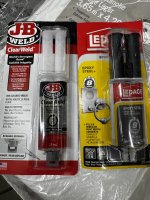
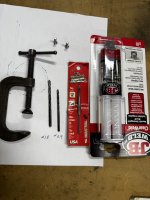
2- mix up a paste of 2part epoxy (as pictured or similar, 5 minute epoxy is fine)
3- work the paste under the fairing, than clamp in place
4- if you is seepage, clean it up immediately
Than remove the masking tape BEFORE THE EPOXY DRYS
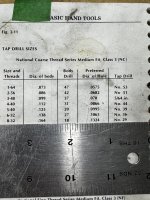
5- after epoxy dries, locate the center line of the roll bar & drill a #29 hole through the fiberglass/plexi/ steel roll bar. Repeat for # of screws you are installing
6- drill out the holes to #18 through the fiberglass/plexi layers ONLY.
7- gently use 8-32 tap through the roll bar for your screws
8- carefully countersink holes so screw heads will be flush. Tighten screws in place, done that portion.
9-mask off the rough joint between the vertical & horizontal fairings, you could use anything from the ‘liquid metal’ pictured, fiberglass ‘micro’ slurry, automotive filler(bondo), etc. to smooth out the joint.
10- Finish & paint. I would suggest you spot paint the screw heads to prevent corrosion. As for the joint repair, make the paint repair as small as possible so it is least noticeable.

As for your question on Vans original instructions for W/shield & fairing installation, basically, drill & screw the plexi to the roll bar, than rough up the plexi surface & lay the fiberglass strips directly over the plexi using the wetted fiberglass epoxy as the gluing agent. (Sometimes this process doesn’t hold up to rough handling as you found out)
This proposed ‘fix’ just brings the screws to the surface to hold both the plexi and fairing to the roll bar. (&will be much more robust)
Good luck!

 

Attachments

  • IMG_2566.jpeg
    IMG_2566.jpeg
    2.8 MB · Views: 24
  • IMG_2567.jpeg
    IMG_2567.jpeg
    3.2 MB · Views: 20
  • IMG_2565.jpeg
    IMG_2565.jpeg
    2 MB · Views: 17
  • IMG_2570.jpeg
    IMG_2570.jpeg
    2.8 MB · Views: 17
  • IMG_2568.jpeg
    IMG_2568.jpeg
    1.9 MB · Views: 19
  • IMG_2569.jpeg
    IMG_2569.jpeg
    1.8 MB · Views: 19
I see by your profile you may not have convenient access to the usual building materials we have in N America. (Although I’d love to visit your island some year)
I’ll describe a process that should work with materials you should have locally.
1- mask off areas you don’t want to mess up
2- mix up a paste of 2part epoxy (as pictured or similar, 5 minute epoxy is fine)
3- work the paste under the fairing, than clamp in place
4- if you is seepage, clean it up immediately
Than remove the masking tape BEFORE THE EPOXY DRYS
5- after epoxy dries, locate the center line of the roll bar & drill a #29 hole through the fiberglass/plexi/ steel roll bar. Repeat for # of screws you are installing
6- drill out the holes to #18 through the fiberglass/plexi layers ONLY.
7- gently use 8-32 tap through the roll bar for your screws
8- carefully countersink holes so screw heads will be flush. Tighten screws in place, done that portion.
9-mask off the rough joint between the vertical & horizontal fairings, you could use anything from the ‘liquid metal’ pictured, fiberglass ‘micro’ slurry, automotive filler(bondo), etc. to smooth out the joint.
10- Finish & paint. I would suggest you spot paint the screw heads to prevent corrosion. As for the joint repair, make the paint repair as small as possible so it is least noticeable.

As for your question on Vans original instructions for W/shield & fairing installation, basically, drill & screw the plexi to the roll bar, than rough up the plexi surface & lay the fiberglass strips directly over the plexi using the wetted fiberglass epoxy as the gluing agent. (Sometimes this process doesn’t hold up to rough handling as you found out)
This proposed ‘fix’ just brings the screws to the surface to hold both the plexi and fairing to the roll bar. (&will be much more robust)
Good luck!

Thank you Ralph, super helpful
 
Back
Top