


Van's Air Force

The definitive Van's Aircraft support community! Buying, building or flying an RV? Join our exclusive family of mentors and enthusiasts!

Bridging bushing gaps

Ben Ellis

Well Known Member
Sponsor
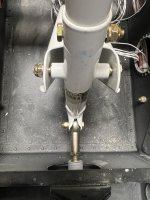
I messed up when setting the width of my stick bushing / stick base and made it too narrow. Now there are gaps between the bushing and the mounting bracket. I ordered a new stick base last July but it’s backordered and the shipment date keeps getting pushed out.

I’m wondering if it would be safe to fly the plane while waiting for the replacement stick base if I put an AN960 washer on both sides of the bushing. I tested it and the washers hold the bushing in place without interfering with stick movement, basically narrowing the width of the bracket. But I can’t find any guidance on this in AC 43.13-1B. I could also tighten the bolt enough to narrow the gap of the bracket but I don’t think it would be good to introduce that kind of stress on the metal.

Is there any sort of written or common practices guidance on this?
 

Attachments

  • IMG_0298.jpeg
    IMG_0298.jpeg
    1.6 MB · Views: 60
Shorten the bushing so it clears the weldment by a few thou on each side and fill the bushing gap with AN washers as required then tighten the bolt. You should have very little side play in the stick but it should move freely on the bushing. Don't forget to lube the bushing. I would not stress the weldment by just tightening the bolt. I would not have a problem flying the plane afterwards with the above completed. FWIW.
 
I messed up when setting the width of my stick bushing / stick base and made it too narrow. Now there are gaps between the bushing and the mounting bracket. I ordered a new stick base last July but it’s backordered and the shipment date keeps getting pushed out.

I’m wondering if it would be safe to fly the plane while waiting for the replacement stick base if I put an AN960 washer on both sides of the bushing. I tested it and the washers hold the bushing in place without interfering with stick movement, basically narrowing the width of the bracket. But I can’t find any guidance on this in AC 43.13-1B. I could also tighten the bolt enough to narrow the gap of the bracket but I don’t think it would be good to introduce that kind of stress on the metal.

Is there any sort of written or common practices guidance on this?
The primary goal is that the bushing be captured enough to not rotate, and the bolt only torqued enough to accomplish that (the reason a castle nut and cotter pin is used).
If the use of washers helps you accomplish that, it is totally fine.
 
The primary goal is that the bushing be captured enough to not rotate, and the bolt only torqued enough to accomplish that (the reason a castle nut and cotter pin is used).
If the use of washers helps you accomplish that, it is totally fine.

That’s good to know. I assumed that I needed to use the torque value from section 5, but it sounds like that’s more torque than needed. Thanks for your help.
 
That’s good to know. I assumed that I needed to use the torque value from section 5, but it sounds like that’s more torque than needed. Thanks for your help.
The reason that is not a good idea is because the tabs that the bushing is bolted between usually aren’t perfectly 90° to the end of the bushing, and with the bushing being bronze and rather soft.
With those two things, if you were to use the full normal torque value , it typically causes some deflection of the bushing and some binding resistance on the pivot point of the control stick.
That is why a castelated is used in a location that a standard self locking nut otherwise would be acceptable.
 
Back
Top
