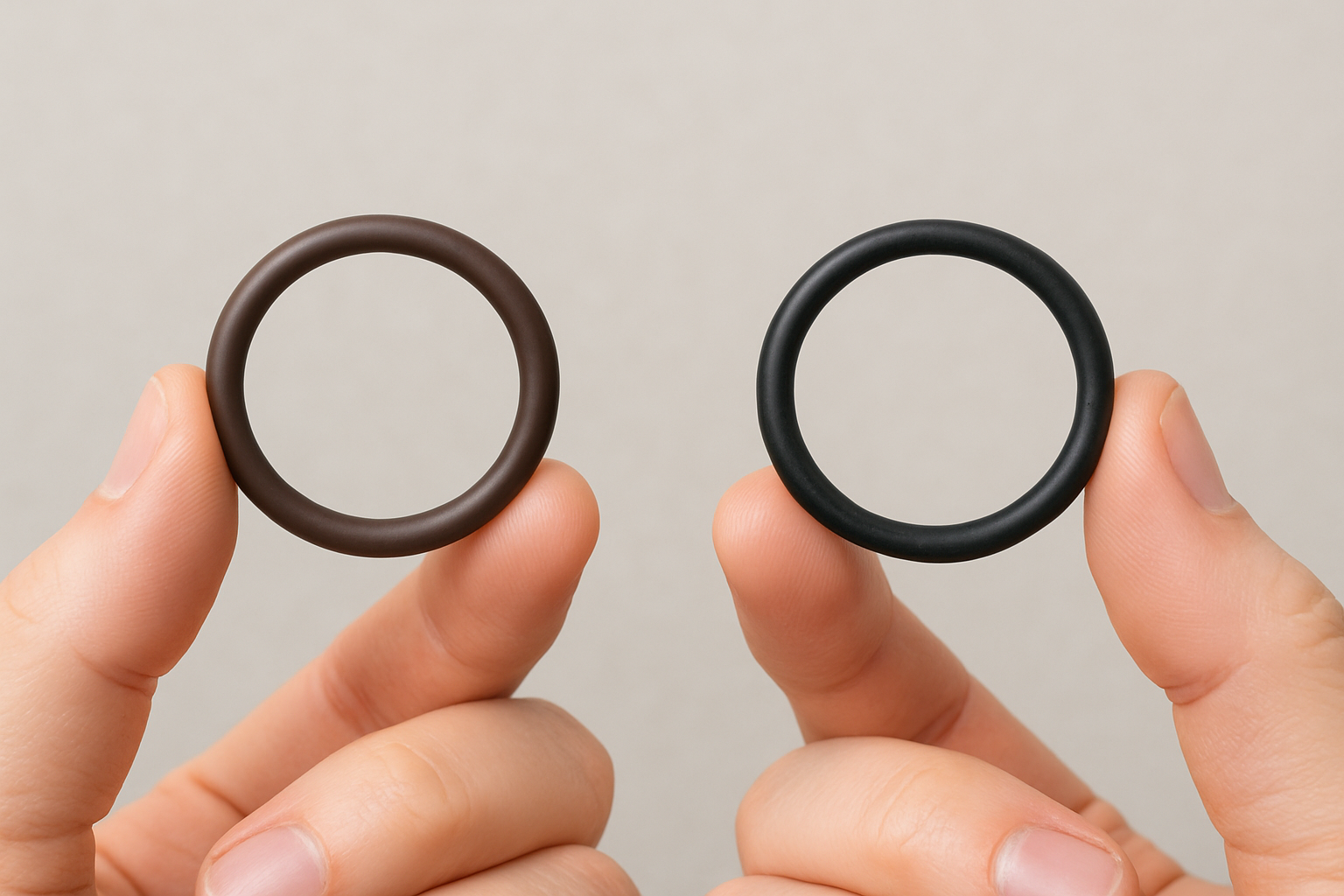
Viton (FKM or fluorocarbon) elastomer has developed an aura of being a "magic" solution to sealing problems in our airplanes, especially as a replacement for nitrile (NBR or Buna-N). Like all elastomers, each is designed for a particular temperature range and chemical resistance.
Here's a comparison source:
Choosing Viton® or nitrile O-rings depends on temperature, chemical resistance, and environmental conditions. Learn which material suits your application best.

www.wyattseal.com
I've extracted some data from this source:
TEMPERATURE
- NBR: -30°F to 250°F (-35°C to 120°C)
- FKM: -15°F to 400°F (-26°C to 205°C)
PERFORMANCE CHARACTERISTICS
- Chemical Resistance: FKM outperforms NBR in resistance to fuels, oils, solvents, and many aggressive chemicals.
- Environmental Resistance: FKM maintains integrity under extreme conditions and is resistant to mold, ozone, and weathering.
- Abrasion and Tear Resistance: Both materials perform well, but NBR typically offers higher abrasion and tear resistance, making it a strong choice for mechanical wear applications.
LIMITATIONS
NBR O-rings are not ideal for harsh chemical environments or prolonged outdoor exposure. Their resistance to specific liquids can also be reduced when the material is formulated for extreme high or low temperatures. Conversely, FKM O-rings should be avoided in applications involving brake fluid, ketones, hot water, or very low-temperature conditions, where performance may be compromised.
In the limitations of FKM they are referring to automotive brake fluid, not the MIL-H-5606 hydraulic fluid we use in brakes. Viton is used in our wheel brake cylinders due to its high temperature rating, but it does not have as low a temperature rating.
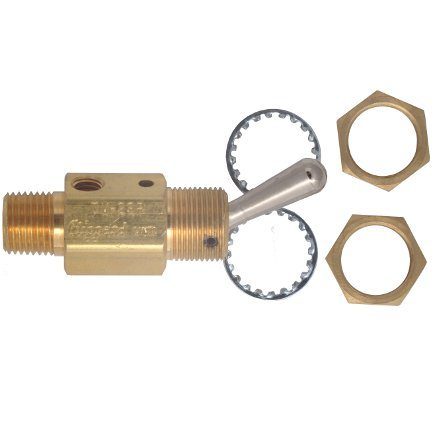
For most of our applications, (except wheel brake cylinders), but including including the switch type alternate static source I think nitrile is a better choice.
Note that ALL o-rings are sensitive to cuts and abrasion when being assembled which is why all parts must be properly deburred prior to assembly.