Van's Air Force

The definitive Van's Aircraft support community! Buying, building or flying an RV? Join our exclusive family of mentors and enthusiasts!

Access to gascolator problem

Jctym

Member
I discovered that my RV7 purchased in October does not have access to the gascolator to drain fuel. The cowl covers it up. A simple hole in the bottom right of the lower cowl would do the trick. Has anyone done this, or have other methods? It's mounted on the firewall, far right, bottom. Thanks.
 
Typically, mounted so the drain is exposed, but a hole would work so it can be checked preflight. Maybe with a plug?
 
I discovered that my RV7 purchased in October does not have access to the gascolator to drain fuel. The cowl covers it up. A simple hole in the bottom right of the lower cowl would do the trick. Has anyone done this, or have other methods? It's mounted on the firewall, far right, bottom. Thanks.
Yes, I drilled a hole 3/8" diameter through the lower cowl and attach plate that aligns with the drain on the gascolator. A short metal tube is pushed up to drain fuel out into the tester. The drain valve is longer than those normally used on wing tanks, link:

 
I’ve also seen some certified planes (PA46 Malibu for example) that use a stiff plastic tube attached to the drain.. you just push up on the tube for the sample.
 
Yes, I drilled a hole 3/8" diameter through the lower cowl and attach plate that aligns with the drain on the gascolator. A short metal tube is pushed up to drain fuel out into the tester. The drain valve is longer than those normally used on wing tanks, link:

Thank you. So this longer valve could stick out beyond the cowling as my two other wing tank drains do. I'll look into that.
 
I made a small hile in bottom of my RV4 cowl, no plug needed, you have to look hard to see it. I witnessed a near fatality of a Lancair that had engine out after take off and steep climb. He made it back in but destroyed the plane. We pulled the cowl and the gascolator was full if water. He never drained it because of no access. I check mine regularly.
 
I discovered that my RV7 purchased in October does not have access to the gascolator to drain fuel. The cowl covers it up. A simple hole in the bottom right of the lower cowl would do the trick. Has anyone done this, or have other methods? It's mounted on the firewall, far right, bottom. Thanks.
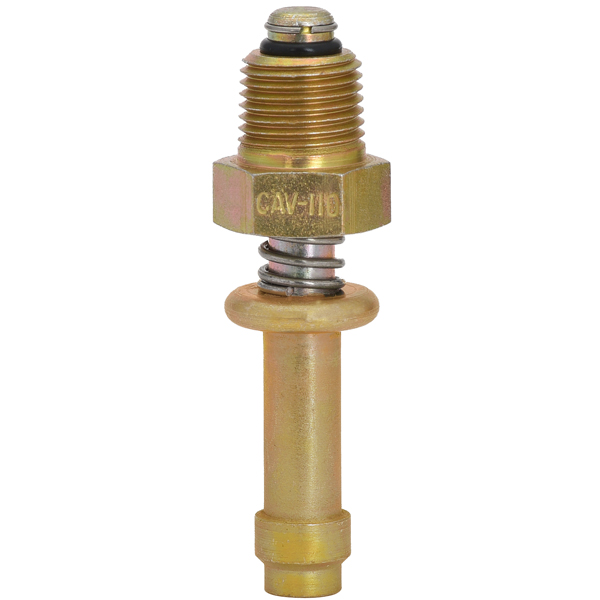
I cut a 1" or so hole in mine back in the day - the hole is large enough to accommodate a fuel sampling tube.
 
I made a small hile in bottom of my RV4 cowl, no plug needed, you have to look hard to see it. I witnessed a near fatality of a Lancair that had engine out after take off and steep climb. He made it back in but destroyed the plane. We pulled the cowl and the gascolator was full if water. He never drained it because of no access. I check mine regularly.
Wow. Too bad. Thank you for the tip.
 
I discovered that my RV7 purchased in October does not have access to the gascolator to drain fuel. The cowl covers it up. A simple hole in the bottom right of the lower cowl would do the trick. Has anyone done this, or have other methods? It's mounted on the firewall, far right, bottom. Thanks.
IMO, the gascolator is nothing but a big heat sink that helps boil your fuel when used on an RV.
Install a good filter in the cabin and ditch the thing. Sump the tanks instead.
 
Last edited:
1” scat tube down to it could help cool it.
Filter won’t help if water in the system.
Some folks (Canadians in particular) are mandated to have gascolator installed in most fuel system designs.
 
A filter would make sure your fuel/water doesn’t have any big chunks. But won’t do anything to remove water. We all know that burning avgas will make the big fan up front spin and water won’t.

I know guys that will never put their baby to bed (aircraft in the hangar) without a full tank of gas. They fear that humidity will provide enough moisture in the air that could possibly condense and if the water gets to the carburetor the big fan up front could stop making power.
Water will sink to the lowest point in the system. A gascolator provides the last low spot for water to drop out to, before it hits the carburetor.

Like the OP, the builder of my -7 did NOT provide any means of draining the gascolator without removing the lower cowl. I did’t think that is a good idea, hence the cowl flap.

On my daily driver (my other aircraft). I fly from my house to another my other airport 35 miles to work on my -7. Even if I’m not getting gas I will bump each of the 4 sumps before flying home, just to give any possible moisture a way out.
 
I eliminated the gascolator on my RV7 when I changed the engine to fuel injection. One problem I had was that the gascolator was too high to gravity feed from the tanks: so you had to turn on the boost pump to get any fuel to drain from it.

I have not had any problem using the wing sumps to assure I have no water in the system. With the conversion to FI, I used Airflow Performance's high pressure boost pump and filter. I inspect the filter at each conditional (never found anything in the filter).
 
I eliminated the gascolator on my RV7 when I changed the engine to fuel injection. One problem I had was that the gascolator was too high to gravity feed from the tanks: so you had to turn on the boost pump to get any fuel to drain from it.

I have not had any problem using the wing sumps to assure I have no water in the system. With the conversion to FI, I used Airflow Performance's high pressure boost pump and filter. I inspect the filter at each conditional (never found anything in the filter).
Thanks. That's interesting, as the first time I took the cowling off and drained it, it didn't drain very fast.
 
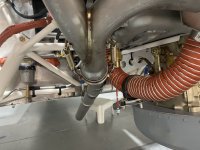
Drain valve extension from Home Depot. Hole in the bottom of the cowl. I also need to turn on my boost pump to get fuel - and it comes out pretty fast. I sump my tanks every first flight of the day.
 

Attachments

  • IMG_2238.jpeg
    IMG_2238.jpeg
    2.7 MB · Views: 88
In Canada a gascolator or something serving the same function is a requirement. On my 7 and 8 I always turn on the boost pump before sumping the gascolator. This pressurizes the system for draining. It is also a good check to make sure the drain doesn't leak when it is closed.
 
The lowest point in your fuel system is in the tanks, at the drain.... That's why Van's placed it there. Any water in your system will be there. UNLESS you turn on the pump before sumping the tanks, and pump the water toward the gascolator that you will sump, but not long enough to pump the water out of the line. This is the only time the sump will save your butt.

Those of us that are using filters don't have this issue. Don't have a heatsink. Don't have unnecessary parts in our fuel system. And don't need to knee down to get a sample from a hole in the cowl.
 
Last edited:
The lowest point in your fuel system is in the tanks, at the drain.... That's why Van's placed it there. Any water in your system will be there. UNLESS you turn on the pump before sumping the tanks, and pump the water toward the gascolator that you will sump, but not long enough to pump the water out of the line. This is the only time the sump will save your butt.

Those of us that are using filters don't have this issue. Don't have a heatsink. Don't have unnecessary parts in our fuel system. And don't need to knee down to get a sample from a hole on the cowl.
Thank you. I was wondering why the gascolator was put where it couldn't be drained. I will probably still devise a means to easily drain it though.
 
Thank you. I was wondering why the gascolator was put where it couldn't be drained. I will probably still devise a means to easily drain it though.
It wasn’t
But to drain it does require making a hole in the cowl below the gascolator drain.

Vans factory airplanes with carburetors and my personal airplane have the hole and it works fine for sampling the gascolator with a tube style fuel sampler.

For those that have added extensions, the reason the gascolator is positioned where it is was to try and protect it somewhat from crash damage. Damage to the lower firewall is fairly common in a crash. Positioning the gascolator was purposely done to try and mitigate damage that would cause a loss of fuel in an accident.
Adding an extension that can be easily broken off probably removes some of that preventative measure.
A lot of things in airplane design are a balance of risk versus risk reduction benefit. Does an extension raise the level of fire risk in a crash? Hard to say with certainty … It is probably dependent on specific details of the crash. Regardless, that is the reason for the fuel system being designed the way it is.
 
Back in the Piper days I always put the boost pump on before draining the gascolator as it wouldn’t drain otherwise. Can’t remember if my instructor taught me this or if it was in the POH.
I think it was in the POH for many of the piper low wing airplanes.
I use this procedure for any RV I fly that is equipped with a gascolator and carburetor, after sumping both tanks at their respective drain valves.

RV owners shouldn’t assume that because they sump each tank at their respectivedrain valves that they are removing and or assuring there is no water in the tanks.
The tanks are after all, generally built by amateurs. Many who didn’t have an understanding of the dynamics of a fuel tank at the time they were assembling it.
A lot of RV tanks can easily trap water when the airplane is sitting static on the ground, only to be released through the fuel pick up into the fuel system once the airplane is in motion.
 
I drain the gascolator at every oil change (boost pump on) and I've seen small specs of dirt come out. During the annual found more dirt inside the bowl, and cleaned the screen with the carb cleaner. Inaccessible gascolator is a finding in Vic's books but I have not made a hole in the cowl yet..
 
It wasn’t
But to drain it does require making a hole in the cowl below the gascolator drain.

Vans factory airplanes with carburetors and my personal airplane have the hole and it works fine for sampling the gascolator with a tube style fuel sampler.

For those that have added extensions, the reason the gascolator is positioned where it is was to try and protect it somewhat from crash damage. Damage to the lower firewall is fairly common in a crash. Positioning the gascolator was purposely done to try and mitigate damage that would cause a loss of fuel in an accident.
Adding an extension that can be easily broken off probably removes some of that preventative measure.
A lot of things in airplane design are a balance of risk versus risk reduction benefit. Does an extension raise the level of fire risk in a crash? Hard to say with certainty … It is probably dependent on specific details of the crash. Regardless, that is the reason for the fuel system being designed the way it is.
That is so illuminating, thank you. In the event of an off field landing or some other event where the plane noses over the last thing you'd need is fuel pouring out of the extended drain. A simple hole to allow access seems the best option. Thank you.
 
It wasn’t
But to drain it does require making a hole in the cowl below the gascolator drain.

Vans factory airplanes with carburetors and my personal airplane have the hole and it works fine for sampling the gascolator with a tube style fuel sampler.

For those that have added extensions, the reason the gascolator is positioned where it is was to try and protect it somewhat from crash damage. Damage to the lower firewall is fairly common in a crash. Positioning the gascolator was purposely done to try and mitigate damage that would cause a loss of fuel in an accident.
Adding an extension that can be easily broken off probably removes some of that preventative measure.
A lot of things in airplane design are a balance of risk versus risk reduction benefit. Does an extension raise the level of fire risk in a crash? Hard to say with certainty … It is probably dependent on specific details of the crash. Regardless, that is the reason for the fuel system being designed the way it is.
Do you have a link or source for a tube style sampler?
 
This is what I have. It's wider than the actual drain so it would require a larger hole. Is there a slimmer one that would necessitate a smaller hole?

 
Back
Top