Van's Air Force

The definitive Van's Aircraft support community! Buying, building or flying an RV? Join our exclusive family of mentors and enthusiasts!

Painting under nuts on engine case

TASEsq

Well Known Member
Patron
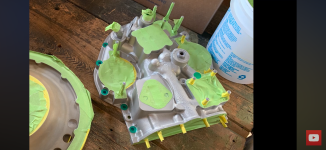
I have watched *all* of the engine overhaul videos I can find, and it seems that most people use little masking dots to mask off the areas on the case, and accessory case, where the hardware goes.

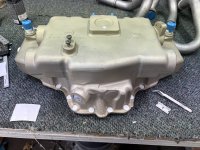
Here is an example of the accessory case from one video:
IMG_7587.png

I am about to paint my engine and the shop told me they paint under these hardware locations on their engines.

The overhaul manual just says “Do not paint areas under hold down nuts where torque is required.”

So is the shop correct here? As the list of torques in the overhaul manual doesn’t include case mating bolts, accessory or sump mating bolts etc.

I found a good kitplanes article which shows the case painted under the case mating bolts. (And no masking in those spots in the before photos)
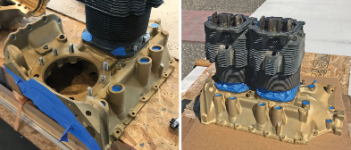
IMG_7602.jpeg
IMG_7601.png

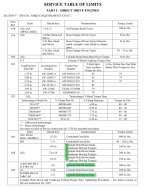
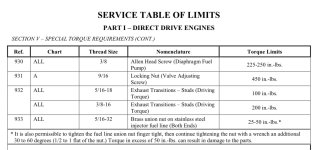
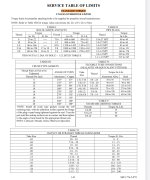
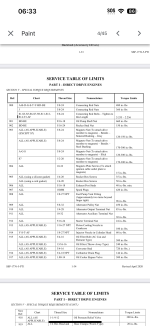
For completeness, attached below are the torque values from the overhaul manual. My engine is a S, or S6. No mention of any hardware on the case, except cylinder hold down nuts. So I am assuming paint under the aforementioned hardware is fine?
 

Attachments

  • IMG_7605.png
    IMG_7605.png
    459.5 KB · Views: 95
  • IMG_7606.jpeg
    IMG_7606.jpeg
    368 KB · Views: 66
  • IMG_7607.jpeg
    IMG_7607.jpeg
    148.6 KB · Views: 114
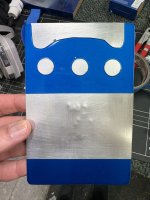
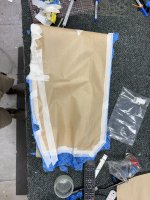
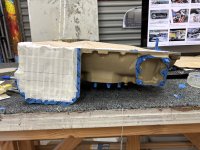
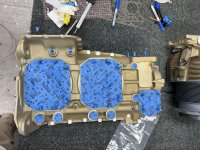
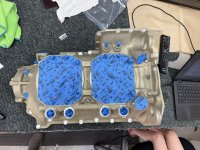
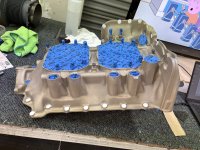
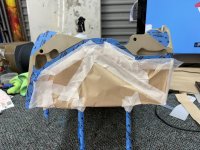
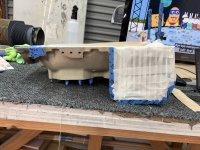
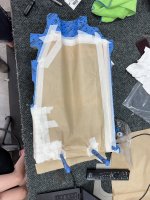
I masked mine off. The cylinders would be the most critical but also the engine case half bolts. The pads could probably be either or since you’ll have a gasket under those anyways. You can see how I did it on the pictures.
 

Attachments

  • IMG_2404.jpeg
    IMG_2404.jpeg
    3.6 MB · Views: 139
  • IMG_2409.jpeg
    IMG_2409.jpeg
    3.1 MB · Views: 125
  • IMG_2408.jpeg
    IMG_2408.jpeg
    3 MB · Views: 130
  • IMG_2407.jpeg
    IMG_2407.jpeg
    3 MB · Views: 129
No paint under any hardware. The only exception I can think of is the cylinder hold down plates on most narrow deck engines. Very light coat of zinc chromate in those areas.
 
I masked mine off. The cylinders would be the most critical but also the engine case half bolts. The pads could probably be either or since you’ll have a gasket under those anyways. You can see how I did it on the pictures.
Nice color.

Whats the large masked patch on your sump for? Oil pre-heater?
 
The
Trent -

Since I took those Kitplanes pictures, I can tell you that I used a scotchbrite wheel to take the paint off where hardware was later installed - it was easier to do that than continue to put little dots everywhere…..

Paul
It was indeed your article!! Thank you!
 
What about bolt locations for things like the rear governor hole cover plate, or the oil filter adapter?
 
The overhaul manual just says “Do not paint areas under hold down nuts where torque is required.”
Actually, what it says is
All machined bosses should be masked
before painting. Do not paint areas under
hold down nuts where torque is required. (Lycoming Direct Drive Overhaul Manual, 2007 Revision).
Doesn't that include all the areas you mention?
 
Actually, what it says is

Doesn't that include all the areas you mention?
I posted the list of “where torque is required” and the case mating bolts, cover bolts, etc etc are not on the list. So that is the question. Can they have paint under them?

The list is at the end of the overhaul annual after the service table of limits.
 
I posted the list of “where torque is required” and the case mating bolts, cover bolts, etc etc are not on the list. So that is the question. Can they have paint under them?

The list is at the end of the overhaul annual after the service table of limits.
You going to tighten the case mating bolts to "feels about right"? Or use the table of torque values to properly torque them based on size?

Why not just spend a little time in prep and avoid problems (like, say, case fretting) down the line?
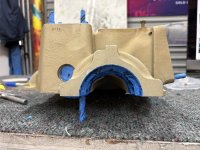
ETA: BTW, what you posted is labelled SPECIAL Torque values...everything else gets STANDARD torque. Not being listed as having a "Special" torque doesn't mean it has NO torque spec.
 
You going to tighten the case mating bolts to "feels about right"? Or use the table of torque values to properly torque them based on size?

Why not just spend a little time in prep and avoid problems (like, say, case fretting) down the line?
ETA: BTW, what you posted is labelled SPECIAL Torque values...everything else gets STANDARD torque. Not being listed as having a "Special" torque doesn't mean it has NO torque spec.
This is why I asked the question - to understand. I never said I wanted to leave paint under them. It’s just what the shop said.

Where are the ‘standard torque’ values? I have the normal ones we use for fine thread AN hardware, is there a table somewhere for the tractor bolts used on the engine?
 
This is why I asked the question - to understand. I never said I wanted to leave paint under them. It’s just what the shop said.

Where are the ‘standard torque’ values? I have the normal ones we use for fine thread AN hardware, is there a table somewhere for the tractor bolts used on the engine?
Edit - disregard, I found it.

Thanks for helping me learn.
IMG_7623.jpeg
 
it’s tedious and time consuming to do it right, but no paint under hardware. To speed up masking I bought cheap hardware store 1/4” nuts, bolts and lots of washers to mask the case, oil sump and accy case holes. Still using those red left overs on shop projects.

Don Broussard
RV9 Rebuild in Progress
57 Pacer
 

Attachments

  • IMG_5725.jpeg
    IMG_5725.jpeg
    477.6 KB · Views: 77
  • IMG_5726.jpeg
    IMG_5726.jpeg
    484.8 KB · Views: 76
Well, that was a bit tedious!!

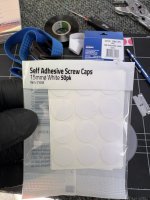
The paper dots I got are awful - can’t be peeled off without leaving paper and glue. Will have to find some better ones locally - hopefully some of the powder coating ones.
 

Attachments

  • IMG_7657.jpeg
    IMG_7657.jpeg
    2.1 MB · Views: 42
  • IMG_7658.jpeg
    IMG_7658.jpeg
    5 MB · Views: 41
  • IMG_7659.jpeg
    IMG_7659.jpeg
    3.6 MB · Views: 40
  • IMG_7642.jpeg
    IMG_7642.jpeg
    1.7 MB · Views: 43
Well, that was a bit tedious!!

The paper dots I got are awful - can’t be peeled off without leaving paper and glue. Will have to find some better ones locally - hopefully some of the powder coating ones.
I got them on amazon

 
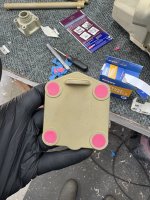
The 15mm kitchen cabinet screw covers fit awesome! I did a test and they didn’t melt or bleed so I’ll give them a go.
 

Attachments

  • IMG_7695.jpeg
    IMG_7695.jpeg
    1.3 MB · Views: 51
  • IMG_7691.jpeg
    IMG_7691.jpeg
    1.7 MB · Views: 50
  • IMG_7694.jpeg
    IMG_7694.jpeg
    2.1 MB · Views: 44
  • IMG_7697.jpeg
    IMG_7697.jpeg
    6.8 MB · Views: 37
  • IMG_7696.jpeg
    IMG_7696.jpeg
    5.5 MB · Views: 39
  • IMG_7673.jpeg
    IMG_7673.jpeg
    1.5 MB · Views: 52
Trent -

Since I took those Kitplanes pictures, I can tell you that I used a scotchbrite wheel to take the paint off where hardware was later installed - it was easier to do that than continue to put little dots everywhere…..

Paul
Ironflight,
The Niagara Falls of information.
Daddyman
 
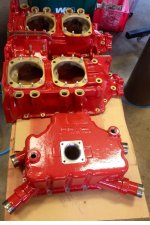
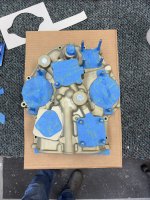
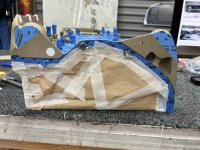
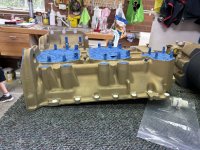
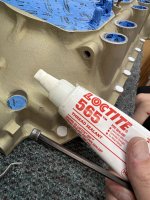
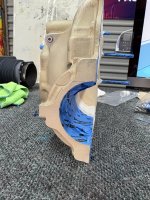
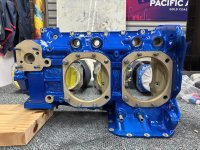
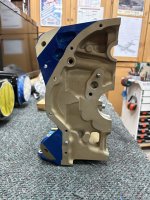
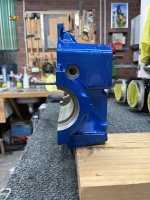
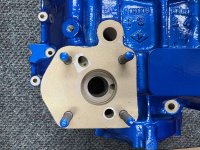
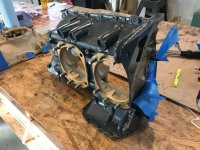
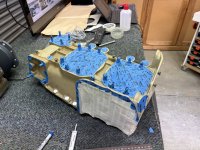
I’ve finally gotten around to painting the case.

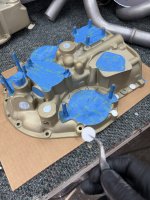
Here’s he left hand side. How does the masking look?

Do I need to mask off the ears where the engine mounts go? Or do these get painted?

Also the pads where the pushrod tubes go into - I’ve seen some totally bare and some painted?
 

Attachments

  • IMG_9061.jpeg
    IMG_9061.jpeg
    1.9 MB · Views: 37
  • IMG_9062.jpeg
    IMG_9062.jpeg
    5.1 MB · Views: 36
  • IMG_9063.jpeg
    IMG_9063.jpeg
    4.9 MB · Views: 34
  • IMG_9064.jpeg
    IMG_9064.jpeg
    5.9 MB · Views: 35
  • IMG_9065.jpeg
    IMG_9065.jpeg
    3.6 MB · Views: 33
  • IMG_9066.jpeg
    IMG_9066.jpeg
    5.2 MB · Views: 32
  • IMG_9067.jpeg
    IMG_9067.jpeg
    5.5 MB · Views: 30
  • IMG_9068.jpeg
    IMG_9068.jpeg
    5.6 MB · Views: 38
Last edited:
We have not discussed WHY no paint should be between the faces that mate together or under hardware. One glaring example is this: Painting under cylinder hold down hardware can lead to broken hold down studs due to bolt stretch and fatigue failure.

When a cylinder fires a force inside of the cylinder that pushed the piston inward also pushes the cylinder outward and away from the case. If the torque is less than spec. on the hold down hardware, then those bolts and studs will stretch and spring back just a little bit every time the cylinder fires, then they will fatigue, then they will fail and we'll have broken cylinder hold down studs. The shorter ones will probably fail first.

When no paint is between the faces of the case - cylinder mating surfaces then things stay tight and bolt torque is maintained becuase the bolt is pre-stretched to a value larger than the outward forces that exist. But paint is not steel. Its not hardened. Its not designed to maintain it surface and so it softens after torquing the bolts and or erodes away as the engine runs. After a few hundred hours this painted surface erodes away on the mating faces. A loss of Torque results and bolt stretch and bolt fatigue begins.

As I apply this principle to the case mating hardware I see loss of torque leading to case 1/2 fretting. As I apply it to accessories, I see leaks and problems being hidden like easter eggs.
 
Last edited:
We have not discussed WHY no paint should be between the faces that mate together or under hardware. One glaring example is this: Painting under cylinder hold down hardware can lead to broken hold down studs due to bolt stretch and fatigue failure.
I had a couple of broken studs on an io-375 once. Shook the crap out of the engine. We didn’t immediately know what it was and thought it was bad plugs. Checked them out and they were fine so went for a fly again!! On the second look a third set of eyes found a nut sitting on the cylinder - with a stud in it!!

We don’t think it was due to paint under the nuts however. The case had been overhauled 3 times - our engine was 4th life. The studs remain in during overhauls. We were 10:1 pistons. When I asked if the torque applied to 10:1 is higher than the torque for 8.5:1 the answer was nope - we use the published torque. So best we can figure is the studs were ancient anyway. We then ran them 10:1 with potentially not enough preload and they broke, in the manner you described above. We will never really know why, but that was one theory.

As an aside, aerosport was stellar and admitted they would never run a case these days that many overhauls. The send us a replacement case free of charge.
 
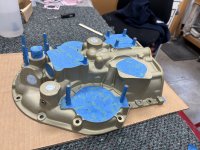
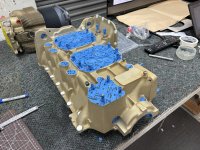
I’ve finally gotten around to painting the case.

Here’s he right hand side. How does the masking look?

Do I need to mask off the ears where the engine mounts go? Or do these get painted?

Also the pads where the pushrod tubes go into - I’ve seen some totally bare and some painted?
What you did looks fine. I did the ears the same way. I also masked the front face where the propeller snout is but I did that for looks. I think as long as you don’t paint inside the pushrod shroud holes you are ok. The only place that’s critical is the cylinder pads and the bolting/mating surfaces.
 
I’ve finally gotten around to painting the case.

Here’s he right hand side. How does the masking look?

Do I need to mask off the ears where the engine mounts go? Or do these get painted?

Also the pads where the pushrod tubes go into - I’ve seen some totally bare and some painted?
Your masking looks great to me! And now you know why Lycoming just paints the whole engine when it is assembled….😉
 
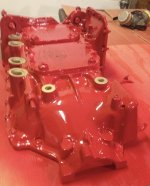
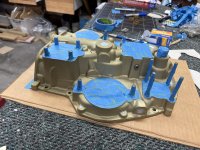
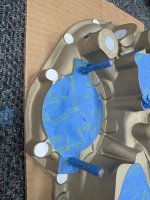
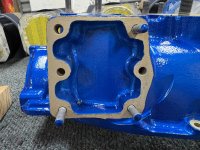
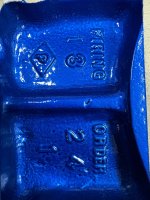
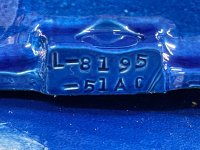
Here’s the right side of the case.

I put a 1/8 plug into the hole at the top forward and will paint this in place. I couldn’t work out what an oil outlet there was for so I’m guessing a plug. Can remove later if need be.

Masked off the boss for the alternator and the screw hole where the alternator tension adjuster bolts on. Will paint the aft boss. I assume this is for aircon or something I don’t have.

If I’ve missed anything please let me know!

Turns out our lazy Susan isn’t so lazy!

QUESTION FOR THE BRINS TRUST!
Can anyone tell me the diameter of the big and small nuts for the cylinder hold downs? I’ll cut some dots for those on the cylinders.
 

Attachments

  • IMG_9091.jpeg
    IMG_9091.jpeg
    3.1 MB · Views: 16
  • IMG_9090.jpeg
    IMG_9090.jpeg
    5.8 MB · Views: 15
  • IMG_9089.jpeg
    IMG_9089.jpeg
    2.5 MB · Views: 14
  • IMG_9087.jpeg
    IMG_9087.jpeg
    2.7 MB · Views: 13
  • IMG_9086.jpeg
    IMG_9086.jpeg
    1.9 MB · Views: 13
  • IMG_9085.jpeg
    IMG_9085.jpeg
    2 MB · Views: 15
  • IMG_9092.jpeg
    IMG_9092.jpeg
    2.1 MB · Views: 16
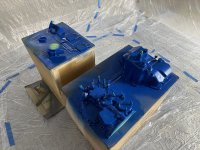
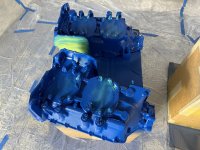
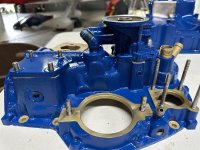
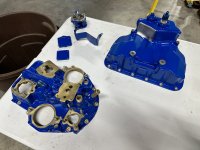
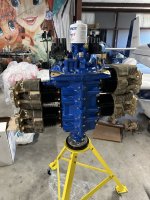
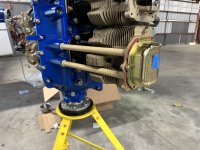
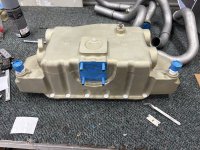
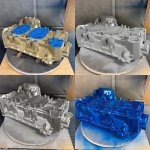
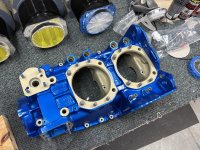
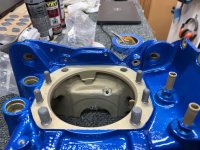
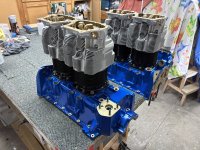
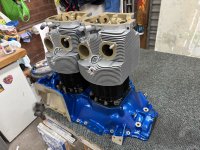
Thanks for everyone’s advice. I think it came out pretty good. I’ll do the rhs in a few days.
 

Attachments

  • 1559190D-DA95-4417-A404-ECB1F91E98B2.jpeg
    1559190D-DA95-4417-A404-ECB1F91E98B2.jpeg
    1.2 MB · Views: 34
  • IMG_9155.jpeg
    IMG_9155.jpeg
    6.7 MB · Views: 31
  • IMG_9154.jpeg
    IMG_9154.jpeg
    5.6 MB · Views: 29
  • IMG_9152.jpeg
    IMG_9152.jpeg
    3.8 MB · Views: 27
  • IMG_9153.jpeg
    IMG_9153.jpeg
    3 MB · Views: 25
  • IMG_9157.jpeg
    IMG_9157.jpeg
    3.2 MB · Views: 25
  • IMG_9156.jpeg
    IMG_9156.jpeg
    2.8 MB · Views: 24
  • IMG_9160.jpeg
    IMG_9160.jpeg
    1.7 MB · Views: 22
  • IMG_9151.jpeg
    IMG_9151.jpeg
    1.5 MB · Views: 25
  • IMG_9159.jpeg
    IMG_9159.jpeg
    5.7 MB · Views: 25
  • IMG_9158.jpeg
    IMG_9158.jpeg
    4.2 MB · Views: 26
  • IMG_9163.jpeg
    IMG_9163.jpeg
    62.2 KB · Views: 35
Trent -

Since I took those Kitplanes pictures, I can tell you that I used a Scotchbrite wheel to take the paint off where hardware was later installed - it was easier to do that than continue to put little dots everywhere…..

Paul
Paul,
Using an abrasive to remove paint in those areas also removes the Alodine coating in those areas. Better to mask those areas off, using the adhesive dots.
Charlie
 
Paul,
Using an abrasive to remove paint in those areas also removes the Alodine coating in those areas. Better to mask those areas off, using the adhesive dots.
Charlie
That’s true Charlie - you don’t want to remove the Aldine - that’s why I use an extremely gentle Scotchbrite. So folks should make sure they’re not grabbing any old abrasive they have handy. And yes - masking it off first would be the first choice.

(Or just doing like Lycoming and painting the whole engine after assembly - fasteners and all! 😉)
 
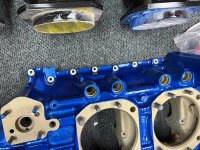
Thanks for everyone’s advice. I think it came out pretty good. I’ll do the rhs in a few days.
Nice shade of blue!

Some vertical paint line looks a little close on cyl flange area. Be sure to watch that closely when you install the cylinders.
 
Nice shade of blue!

Some vertical paint line looks a little close on cyl flange area. Be sure to watch that closely when you install the cylinders.
Thank you. I actually put the cylinder on and traced around it, then masked so the line remained visible. But I’ll double check before we bake the cases. A couple are right up to the edge of the cylinder flanges
 

Attachments

  • IMG_9225.jpeg
    IMG_9225.jpeg
    5.9 MB · Views: 13
  • IMG_9222.jpeg
    IMG_9222.jpeg
    5.3 MB · Views: 13
Last edited:
Back
Top