


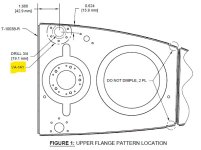
I'm starting work on my RV-14A fuel tanks. The plans call for installing a VA-141 finger strainer flange that could be used for a fuel return line:
but then have you cap it off without any additional internal plumbing:
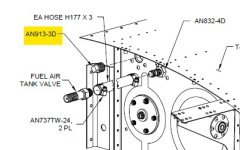
While I don't need a fuel return line now, I would like to build my tanks so they're ready go if electronic fuel injection is somewhere in my future. I have already modified my ribs to allow installation of the VA-141 flange.
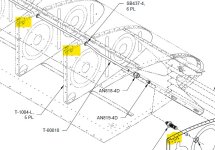
It seems to me that, internally, I need to run a flared hardline from the flange to an internal bay (#2? #3? Somewhere further outboard?), similarly to how the vent line is routed. The internal ribs already have holes that could be used to route the return line:
My questions:
 Thanks!
but then have you cap it off without any additional internal plumbing:
While I don't need a fuel return line now, I would like to build my tanks so they're ready go if electronic fuel injection is somewhere in my future. I have already modified my ribs to allow installation of the VA-141 flange.
It seems to me that, internally, I need to run a flared hardline from the flange to an internal bay (#2? #3? Somewhere further outboard?), similarly to how the vent line is routed. The internal ribs already have holes that could be used to route the return line:
My questions:
- What fitting(s) do I need to use with the VA-141 flange to connect to the internal plumbing (flared 1/4" tube?), as well as some future external return line?
- Is 1/4" tube, similar to what's used with the vent line, adequate for this application?
- How far outboard do I need to route the return line? Is the second bay "far enough?"
- Will I need to fashion some type of support bracket attached to the rib at the end of the return line, or is routing through the last snap-bushing-protected rib hole good enough?
- Can the return line shoot straight out (e.g. towards the next outboard rib), or should it be directed elsewhere (e.g. forward, down, etc.)?
Thanks!

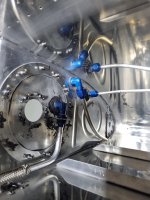


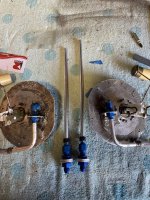


 Anyway...it's been a while since I finished my tanks. Obviously provisioning for the return line is optional, but it's way easier to do now than later...even if you are sure you want a traditional Lycoming dinosaur up front, your airframe might be flying for the better part of the next century and the most promising new powerplants & fuel systems that will run Jet A or Mogas have fuel return lines. The next owner will thank you...