

Van's Air Force
You are using an out of date browser. It may not display this or other websites correctly.
You should upgrade or use an alternative browser.
You should upgrade or use an alternative browser.
Drilled bolts
- Thread starter g zero
- Start date

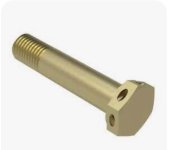

What is the MS or NAS number for this type of AN Drilled Bolt ? A supplier that carries them ?
View attachment 92515Would make safety wiring things like brake calipers a little easier/ cleaner
If you need more than one in and one out? You are also paying 3 times more unless you need multiple safety wires going through.That link takes you to single hole bolts.


MS20073 / MS20074 Engine Bolts | Aircraft Spruce ®
MS20073 / MS20074 Engine Bolts MS20073/MS20074 Engine Bolts.

Not those type either . Take a look at the original pic .If you need more than one in and one out? You are also paying 3 times more unless you need multiple safety wires going through.
MS20073 / MS20074 Engine Bolts | Aircraft Spruce ®
MS20073 / MS20074 Engine Bolts MS20073/MS20074 Engine Bolts.www.aircraftspruce.com

I didn't think of multiple holes in the head, but I'm putting in my roll servo and it came with single hole bolts. To get it torqued and clocked properly to have clearance from the bracket to get the wire in, I have to over torque it a bit. If there were multiple places to run the wire it would make it much easier.
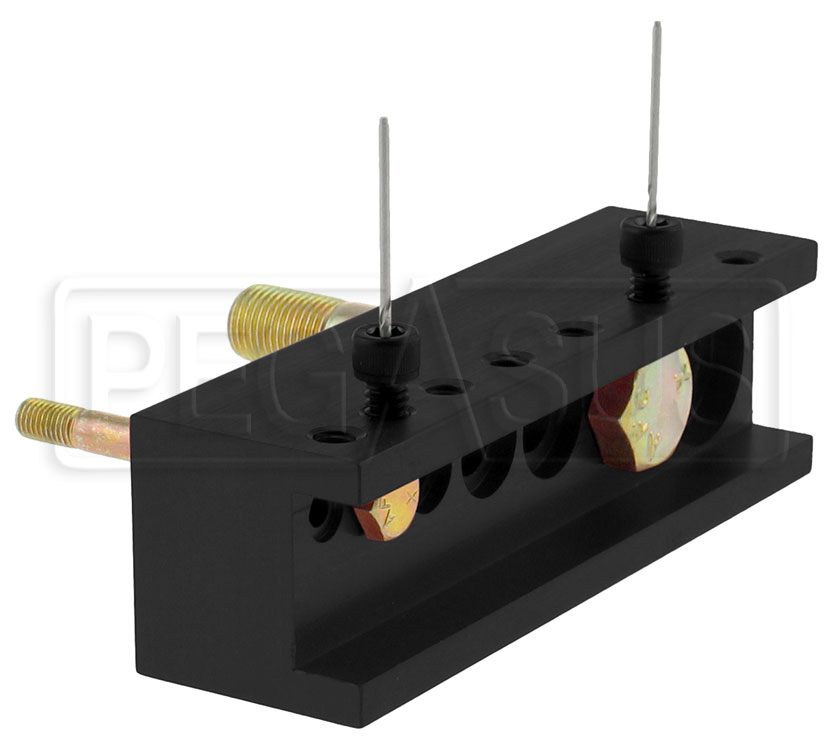
I know these are expensive but allows one to thread the safety wire into very tight spaces. I was tired of bleeding every time I handled safety wire. Go with the one that pre-sets the tension. Priceless.....almost.I didn't think of multiple holes in the head, but I'm putting in my roll servo and it came with single hole bolts. To get it torqued and clocked properly to have clearance from the bracket to get the wire in, I have to over torque it a bit. If there were multiple places to run the wire it would make it much easier.

.032" Manual Pre-Set Tension Safe-T-Cable® Application Tools
.032" Manual Pre-Set Tension Safe-T-Cable® Application Tools
 dmctools.com

Where’d you find the picture Tom? That might give you a clue. I have seen (and used_ bolts drilled like that, but they re usually larger sizes (bigger than AN3 or AN4) or the safety wire holes get really tiny.What is the MS or NAS number for this type of AN Drilled Bolt ? A supplier that carries them ?
View attachment 92515Would make safety wiring things like brake calipers a little easier/ cleaner
To answer your question directly…I don’t know what they are called - I have always suspected that they are custom made, becasue I have made a few like that….
It's worth considering Nord lock washers for brake calipers.What is the MS or NAS number for this type of AN Drilled Bolt ? A supplier that carries them ?
View attachment 92515Would make safety wiring things like brake calipers a little easier/ cleaner
That was an image from google. Here are some pics that I just took . These are AN4 . I have a few AN3 , short -3 /-4 . They came from Delta Airlines in Atlanta about 15 years ago .Where’d you find the picture Tom? That might give you a clue. I have seen (and used_ bolts drilled like that, but they re usually larger sizes (bigger than AN3 or AN4) or the safety wire holes get really tiny.
To answer your question directly…I don’t know what they are called - I have always suspected that they are custom made, becasue I have made a few like that….
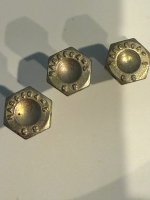
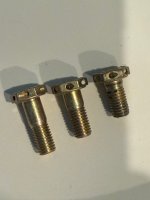
The bolts in g zero's photos are NAS6604's and not AN's. NAS6604's are close tolerance bolts, while AN's are not. They can be used in place of AN's, but not the other way around.

Getting close … they say 3 holes .

[thread drift apology]I know these are expensive but allows one to thread the safety wire into very tight spaces. I was tired of bleeding every time I handled safety wire. Go with the one that pre-sets the tension. Priceless.....almost.
.032" Manual Pre-Set Tension Safe-T-Cable® Application Tools
.032" Manual Pre-Set Tension Safe-T-Cable® Application Tools
I've been seriously considering getting one of these... am I correct that yours is the "non-R" version, that doesn't have the "side wheel"? Does that work pretty well in practice?

Tie bolts for calipers are called out with relatively low torque values. Is there a reason the engineers called that out? I don’t know. It’s just a couple cast and machines parts mated together. Seems simple enough.It's worth considering Nord lock washers for brake calipers.
Nord Lock washers typically require higher torque to set properly and get the benefit.
Not saying it won’t work, but you may have to torque them beyond spec.
As a side note, the Cleveland brake model on one of my airplanes does not call out drilled bolts, no safety wire, just torque to spec and move on.
The Cleveland’s on the RV call out drilled bolts.
As a philosophy, I won’t deviate from the manufacturers instructions, even if it seems obvious.
The Clevelands on my old Grumman Yankee were undrilled as well, and I flew it that way for twenty years - never had one back out. was surprised when I started working on Cleveland’s with drilled bolts and had to safety them!Tie bolts for calipers are called out with relatively low torque values. Is there a reason the engineers called that out? I don’t know. It’s just a couple cast and machines parts mated together. Seems simple enough.
Nord Lock washers typically require higher torque to set properly and get the benefit.
Not saying it won’t work, but you may have to torque them beyond spec.
As a side note, the Cleveland brake model on one of my airplanes does not call out drilled bolts, no safety wire, just torque to spec and move on.
The Cleveland’s on the RV call out drilled bolts.
As a philosophy, I won’t deviate from the manufacturers instructions, even if it seems obvious.
I tried NordLocs on the RV-3 last year, but just didn’t like re-using them - and it is so easy to safety them with Safe-T-Cables that I switched back to those.
Mine doesn't have the sidewheel. I used a friends that had the side wheel but it's a little more awkward. (At least for me) You need to turn the side wheel and with the other hand squeeze but it's nice to have a third hand at the front to ensure the Ferrell is properly positioned which of course you don't have so one hand on the squeeze trigger and the other at the nose of the unit, squeeze and the unit properly tensions the cable.[thread drift apology]
I've been seriously considering getting one of these... am I correct that yours is the "non-R" version, that doesn't have the "side wheel"? Does that work pretty well in practice?
Norman CYYJ
Well Known Member
If you don't get at least one hole in hand or fingers you ain't doing something right.I know these are expensive but allows one to thread the safety wire into very tight spaces. I was tired of bleeding every time I handled safety wire. Go with the one that pre-sets the tension. Priceless.....almost.
.032" Manual Pre-Set Tension Safe-T-Cable® Application Tools
.032" Manual Pre-Set Tension Safe-T-Cable® Application Tools
+1Where’d you find the picture Tom? That might give you a clue. I have seen (and used_ bolts drilled like that, but they re usually larger sizes (bigger than AN3 or AN4) or the safety wire holes get really tiny.
To answer your question directly…I don’t know what they are called - I have always suspected that they are custom made, becasue I have made a few like that….
I would think that configuration of holes would compromise the integrity of the head on an an3 bolt.
If you are having to turn the tensioning knob while trying to crimp the ferrule, then the tension system is not adjusted correctly. The ones we have at work, you only need to turn the knob til it gets tension and it starts slipping as you turn. The cable is then tensioned per spec and it will hold the cable at that point. There are some instances where we don't have enough tail on the cable to use the tensioner and we just tension it by hand without the knob then.Mine doesn't have the sidewheel. I used a friends that had the side wheel but it's a little more awkward. (At least for me) You need to turn the side wheel and with the other hand squeeze but it's nice to have a third hand at the front to ensure the Ferrell is properly positioned which of course you don't have so one hand on the squeeze trigger and the other at the nose of the unit, squeeze and the unit properly tensions the cable.
This is exactly how I use it - tensioning and squeezing happen sequentially, not at the same time. Positioning the tip so that the ferrule is right against the bolt head is the tricky part to get right, and takes a touch of practice. A longer nosepiece can help with this.If you are having to turn the tensioning knob while trying to crimp the ferrule, then the tension system is not adjusted correctly. The ones we have at work, you only need to turn the knob til it gets tension and it starts slipping as you turn. The cable is then tensioned per spec and it will hold the cable at that point. There are some instances where we don't have enough tail on the cable to use the tensioner and we just tension it by hand without the knob then.
The kits we have, include both nose pieces. It's rare for use to need to switch to the short one, but it does happen on rare occasions. One other trick you can use, and is considered an acceptable use, is to put a second ferrule on and use it as a spacer, and only crimp the outer ferrule. We uses this when there is no chance of getting the nose completely on the ferrule due to space or configuration limitations. Yeah, it eats up ferrules when you need to do it, but the time savings justifies the small increase in consumable use.This is exactly how I use it - tensioning and squeezing happen sequentially, not at the same time. Positioning the tip so that the ferrule is right against the bolt head is the tricky part to get right, and takes a touch of practice. A longer nosepiece can help with this.

riding on the thread drift... using the DMC saved me considerable amount of nerves during my recent prop install 
PS
my 2nd hand well used eBay DMC kinds of holds to the ferrule after squeezing, making it sometimes difficult to separate from. Sometimes even breaking the wire in the process... a (quick) look into the recess didn't show any problem, anyone with the same symptoms?
PS
my 2nd hand well used eBay DMC kinds of holds to the ferrule after squeezing, making it sometimes difficult to separate from. Sometimes even breaking the wire in the process... a (quick) look into the recess didn't show any problem, anyone with the same symptoms?
Probably not describing my process very well. My point is you don't need to get your hand in there (some locations are pretty tight) to turn the tensioner (wheel) just start squeezing the trigger and with the other hand manually feel the tension and ensure the ferrule is up against the bolt head. I found it easier to use the model with the auto-tensioner. Yes, it's a 2-step process for the one with the wheel, tension then squeeze just the auto tensioner seemed more user friendly at least for me. Possibly if I did this every day I'd get better.If you are having to turn the tensioning knob while trying to crimp the ferrule, then the tension system is not adjusted correctly. The ones we have at work, you only need to turn the knob til it gets tension and it starts slipping as you turn. The cable is then tensioned per spec and it will hold the cable at that point. There are some instances where we don't have enough tail on the cable to use the tensioner and we just tension it by hand without the knob then.
Good suggestion on using more than one ferrule if needed, thanks!

skylor
Well Known Member
Why only close? You're original pic only has 3 holes...Getting close … they say 3 holes .
Skylor
I stand corrected ! 3 holesWhy only close? You're original pic only has 3 holes...
Skylor
 . That looks exactly what I’m looking for .

Give Genuine Hardware Company a call tomorrow. Their website is being revamped but still doing the business.

I helped a hanger buddy with R&R his main landing gear wheel pants a couple of weeks ago, and was surprised to see that his brakes also did not use drilled bolts for safety wire. I believe they were Cleveland brakes.The Clevelands on my old Grumman Yankee were undrilled as well, and I flew it that way for twenty years - never had one back out. was surprised when I started working on Cleveland’s with drilled bolts and had to safety them!
I tried NordLocs on the RV-3 last year, but just didn’t like re-using them - and it is so easy to safety them with Safe-T-Cables that I switched back to those.
